If you are wondering is digital marketing easy to learn, the answer is yes, but with one important condition. The fundamentals of SEO, social media, content marketing, and paid advertising are easy to understand, even if you have no technical background.
However, building the skills to create campaigns that deliver real business results takes regular practice and continuous learning. So, is digital marketing easy for everyone? The basics are accessible, but mastering advanced strategies requires time and experience.
In this guide, you'll discover which parts of digital marketing are easy, which are more challenging, and what you can expect as a beginner.
What Makes Digital Marketing Beginner-Friendly
Before getting into the details, it helps to understand why digital marketing has such a low barrier to entry compared to most other career paths. Here are the biggest reasons.
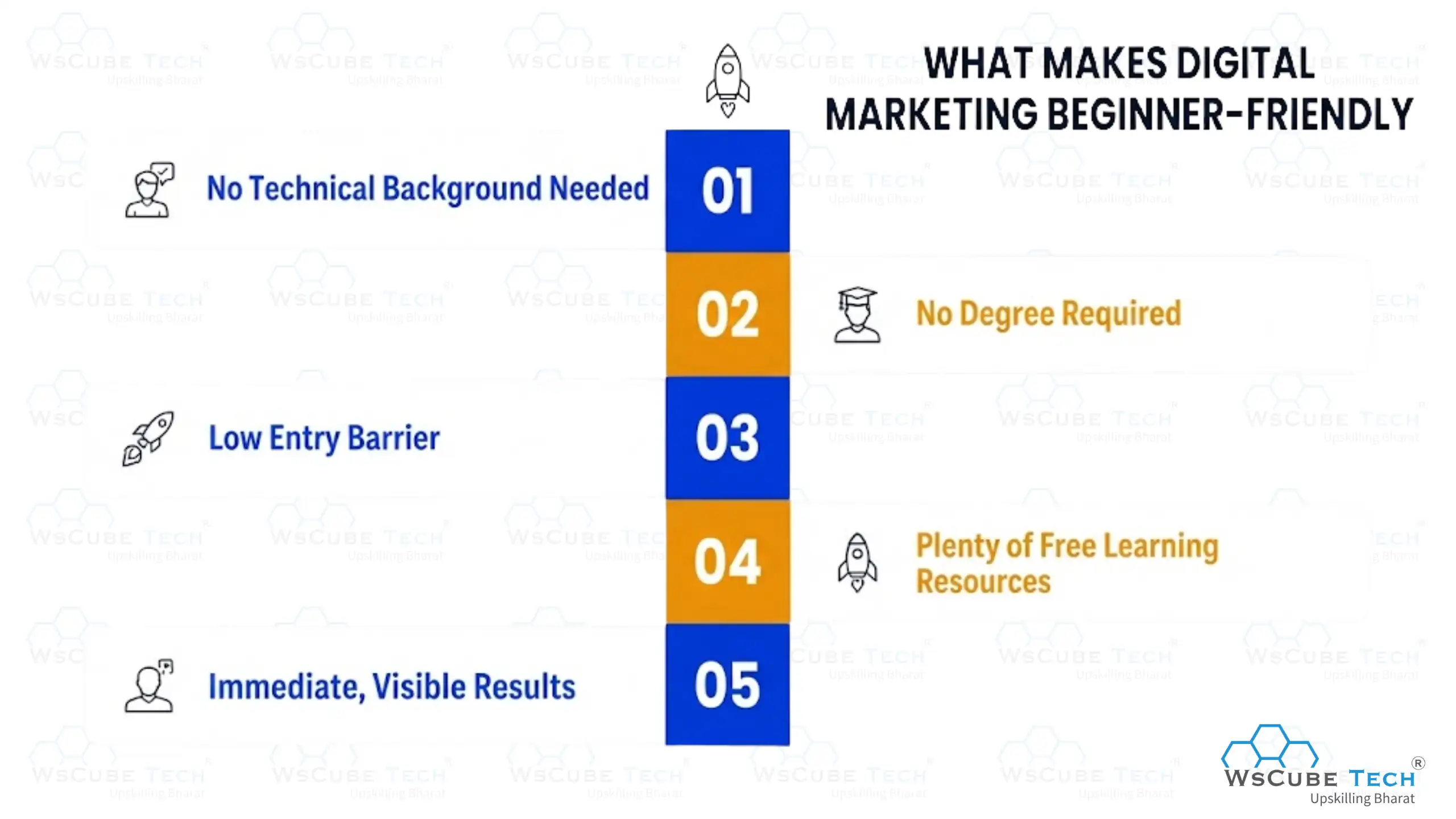
1. No Technical Background Needed
You do not need to know coding, design software, or complex mathematics to begin. Most beginner-level digital marketing tasks, like writing a social media caption, scheduling a post, or setting up a basic Google Ads campaign, use simple, guided interfaces. Tools like Canva, Meta Business Suite, and Google Analytics are built for non-technical users, with dashboards and step-by-step prompts.
If you can use a smartphone and browse the internet comfortably, you already have the basic skill level needed to start. Even the more advanced platforms are designed with tutorials, tooltips, and templates that walk you through each step, so you rarely need to figure things out on your own.
2. No Degree Required
Unlike fields such as medicine, law, or engineering, digital marketing does not require a specific academic qualification. Employers and clients care far more about your practical skills and results than your degree. Many working professionals in this field come from completely unrelated backgrounds, including commerce, arts, science, and even engineering.
If you are curious whether formal education matters at all, it is worth checking digital marketing course eligibility, which explains exactly what qualifications, if any, are needed before you enroll in a structured course.
3. Low Entry Barrier
You do not need a big budget to start learning or even practicing. A laptop or smartphone with an internet connection is often enough. You can create a free blog, start a social media page, or run a small ad campaign with a budget as low as a few hundred rupees.
This low cost of entry is one of the biggest reasons so many people, from college students to stay-at-home parents, are able to explore this field without financial risk. Compare this to fields that need lab equipment, licenses, or specialized software before you can even practice, and it becomes clear why digital marketing feels so accessible.
4. Plenty of Free Learning Resources
The internet is full of free, high-quality resources for beginners. Platforms like WsCube Tech YouTube, Google Skillshop, HubSpot Academy, and Meta Blueprint offer free certifications on core topics such as search advertising, social media marketing, and content strategy. YouTube channels, blogs, and podcasts add even more free material.
This means you do not have to spend money before you even know if the field interests you. Many learners use these free resources for the first two to three months, according to industry guides on how long it takes to learn digital marketing, before deciding whether to invest in a paid, structured program.
5. And More: Immediate, Visible Results
One reason digital marketing feels approachable is that you see results quickly. When you publish a blog post, run an ad, or post on Instagram, you can track views, clicks, and engagement almost instantly. This fast feedback loop keeps beginners motivated, unlike fields where results take months or years to show. It is also part of why digital marketing offers so many practical benefits of digital marketing for individuals and small businesses, from low-cost promotion to real-time performance tracking, that make the learning process feel worthwhile from day one.
Recommended Professional Certificates
AI-Powered Digital Marketing Course
Performance Marketing Bootcamp
SEO Specialist Bootcamp
Which Part of Digital Marketing is Easy to Learn?
Digital marketing is not a single skill. It is a mix of several smaller skills, and some of them are far easier to pick up than others. If you are wondering is digital marketing easy for beginners across the board, the truth is that certain areas are much friendlier to newcomers.
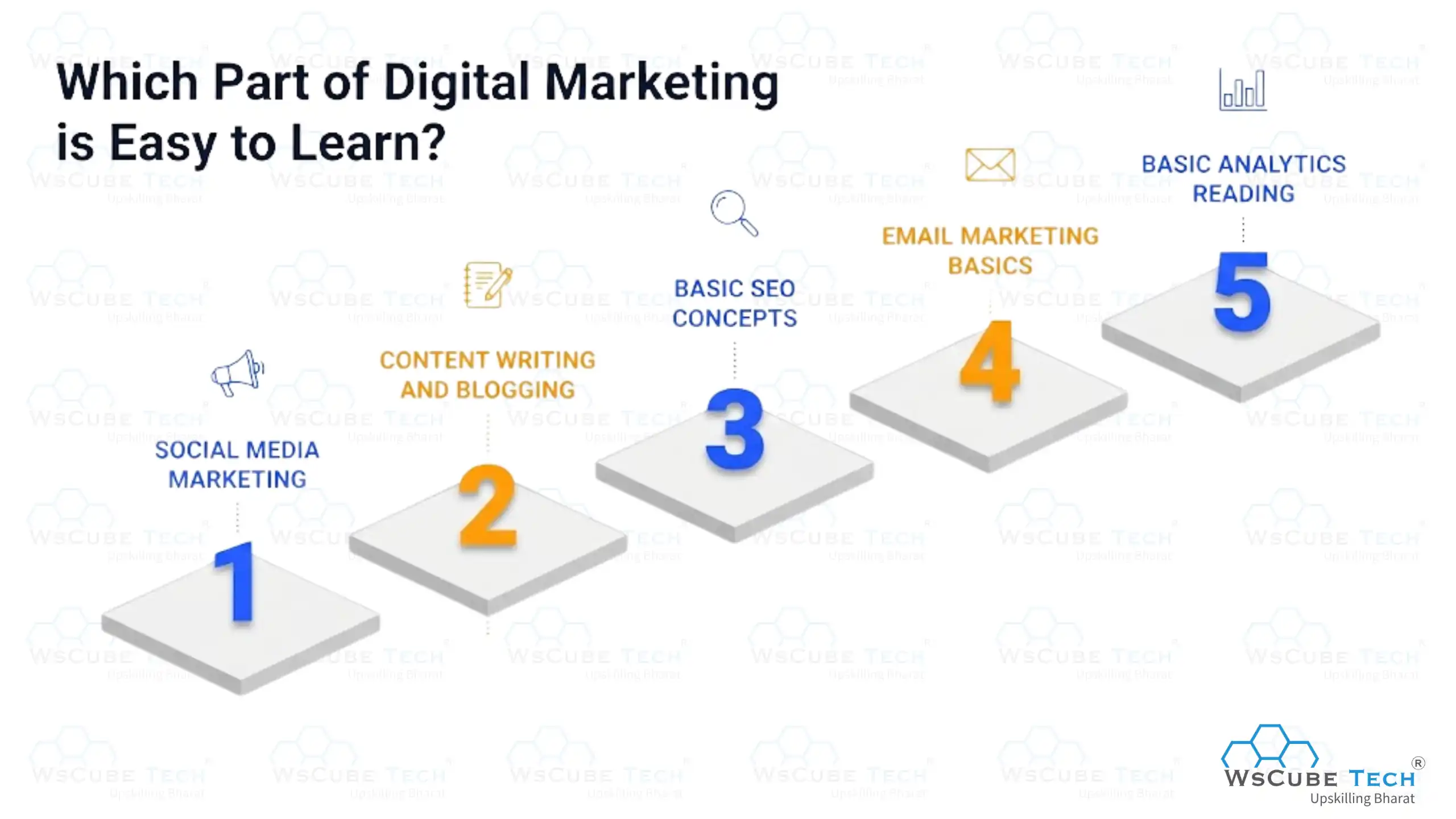
1. Social Media Marketing
Social media marketing is often the easiest starting point. Why it is easy: most people already use platforms like Instagram, Facebook, and LinkedIn daily, so the interface and behavior feel familiar. Creating a post, writing a caption, and scheduling content require no technical training.
The learning curve is mostly about understanding what content performs well, which you can pick up quickly by studying trends and analyzing engagement. Because feedback in the form of likes, shares, and comments arrives within minutes, beginners can test an idea, see how it performs, and adjust their next post almost immediately.
2. Content Writing and Blogging
Content writing is another beginner-friendly area. Why it is easy: if you can write clearly in a language, you know well, you already have the foundation. The additional skills, like structuring an article, doing basic keyword research, and writing attention-grabbing headlines, are straightforward to learn through practice and observation of existing content. Reading well-ranked articles in your niche and noticing how they are organized is often enough to absorb the basic patterns within a few weeks.
3. Basic SEO Concepts
Search engine optimization sounds intimidating, but the fundamentals are simple. Why it is easy: concepts like using keywords naturally, writing clear titles, and adding alt text to images are logical once explained.
You do not need to understand search engine algorithms in depth to apply basic on-page SEO correctly. In fact, SEO remains the primary acquisition channel driving the majority of web traffic, which makes it one of the most rewarding basics to master early since the payoff is so visible.
4. Email Marketing Basics
Setting up a simple email campaign is easy to grasp. Why it is easy: tools like Mailchimp and HubSpot use drag-and-drop editors, so you do not need any coding knowledge. Writing a subject line and a short promotional message is a skill most beginners can develop within days. Templates handle the design work for you, so your main job is choosing the right words and the right send time, both of which improve quickly with a little practice.
5. Basic Analytics Reading
Understanding simple metrics like clicks, likes, shares, and website visits is easy for most beginners. Why it is easy: these numbers are presented visually on dashboards, and the concepts, more clicks mean more interest, are intuitive even without a data background. Most platforms also highlight your best-performing content automatically, so you do not need to dig through raw numbers to know what is working.
Which Part of Digital Marketing is Hard to Learn?
While the fundamentals are approachable, some areas take real time, practice, and technical thinking to master. If you are asking yourself is digital marketing easy or hard overall, the honest answer depends on which specialization you are aiming for.Here are the parts that beginners usually find challenging, and a related resource that breaks this down in more depth: Is digital marketing hard to learn?
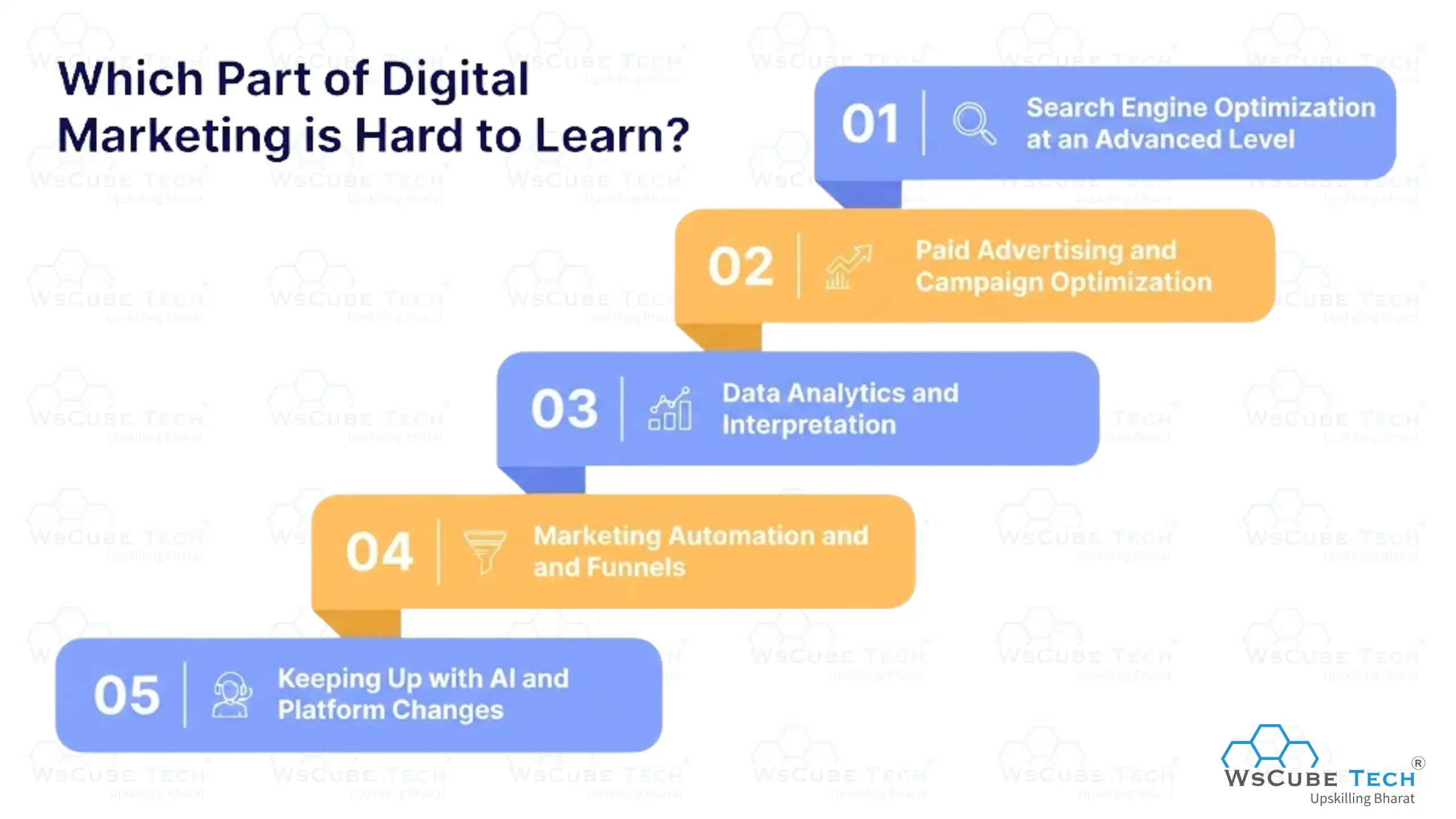
1. Search Engine Optimization at an Advanced Level
Basic SEO is easy, but technical SEO is not. Why it is hard: concepts like site architecture, crawl budget, canonical tags, and Core Web Vitals require understanding how search engines actually process a website.
This involves some technical thinking and often collaboration with developers, which takes longer to master. It also requires patience, since SEO results are never instant and usually take weeks or months to show up in rankings, which can be discouraging for beginners who are used to quick feedback elsewhere.
2. Paid Advertising and Campaign Optimization
Running your first ad is easy. Running a profitable ad campaign is not. Why it is hard: platforms like Google Ads and Meta Ads involve bidding strategies, audience targeting, budget allocation, and constant testing. A small mistake in targeting or budget can waste money quickly, so this area demands careful learning and hands-on experience before you can be confident.
Beginners often need several failed campaigns before they start to understand why one ad performs better than another, which is a normal part of the learning process rather than a sign that the skill is out of reach.
3. Data Analytics and Interpretation
Reading a simple metric is easy, but interpreting data to make strategic decisions is not. Why it is hard: tools like Google Analytics 4 require understanding concepts such as attribution, conversion paths, and audience segmentation. Turning raw numbers into a clear action plan is a skill that takes months of consistent practice to build confidently.
This is also one of the areas employers value most, since data analytics and interpretation are consistently named among the most in-demand marketing skills going into 2026, which makes the extra effort worth investing in.
4. Marketing Automation and Funnels
Setting up one email is easy. Designing a full automated funnel is not. Why it is hard: this involves mapping out customer journeys, setting up trigger-based workflows, and connecting multiple tools together.
It requires strategic thinking about how a customer moves from awareness to purchase, which is far more complex than writing a single email. Beginners often underestimate how much testing and revision a good funnel needs before it actually converts visitors into customers.
5. Keeping Up with AI and Platform Changes
Even after you learn a tool, staying updated is a challenge. Why it is hard: algorithms change frequently; new AI-powered features are added to platforms almost every month, and strategies that worked last year may not work today. This constant shift means digital marketers must treat learning as an ongoing habit rather than a one-time task.
Around three in five digital marketing roles now expect at least some familiarity with AI tools, according to recent industry research, which adds another layer that beginners need to keep building on even after they feel settled in the basics.
So, when people ask digital marketing is easy or not, the fairest answer is that the entry point is easy, but true expertise across every channel takes sustained effort over time. It also helps to remember that no single marketer is expected to master all of these advanced areas alone.
Most professionals specialize in one or two channels, such as SEO or paid ads, and work alongside colleagues who specialize in others. This is good news for beginners, since it means, you do not need to become an expert in everything before you can start contributing real value in a job or freelance project.
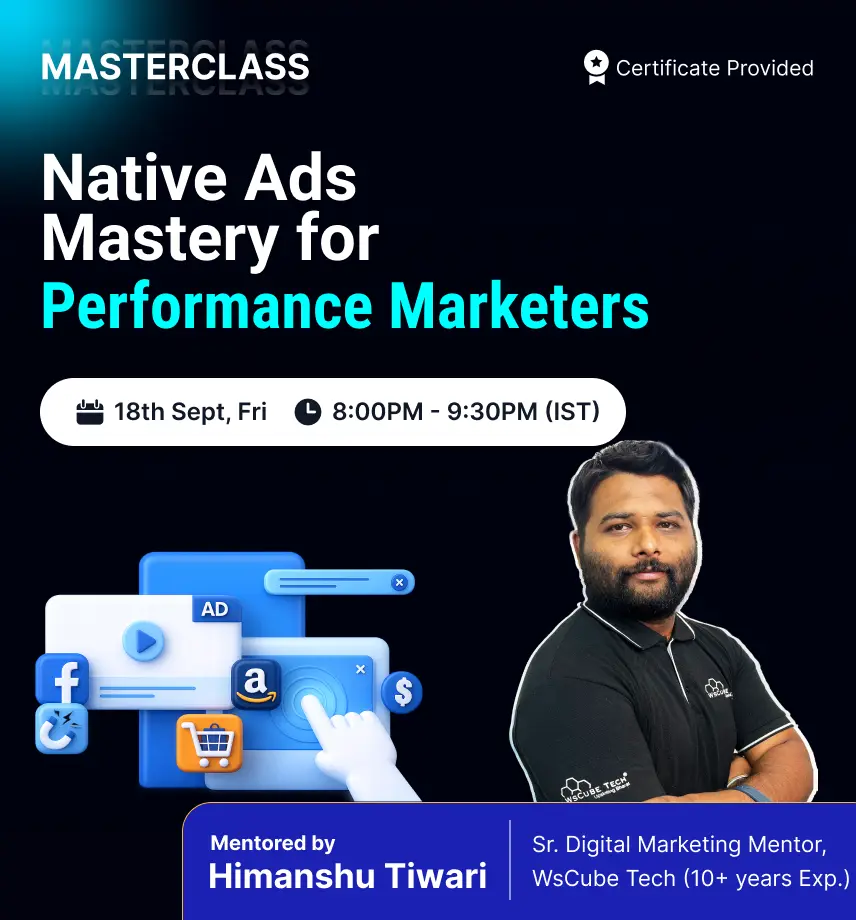
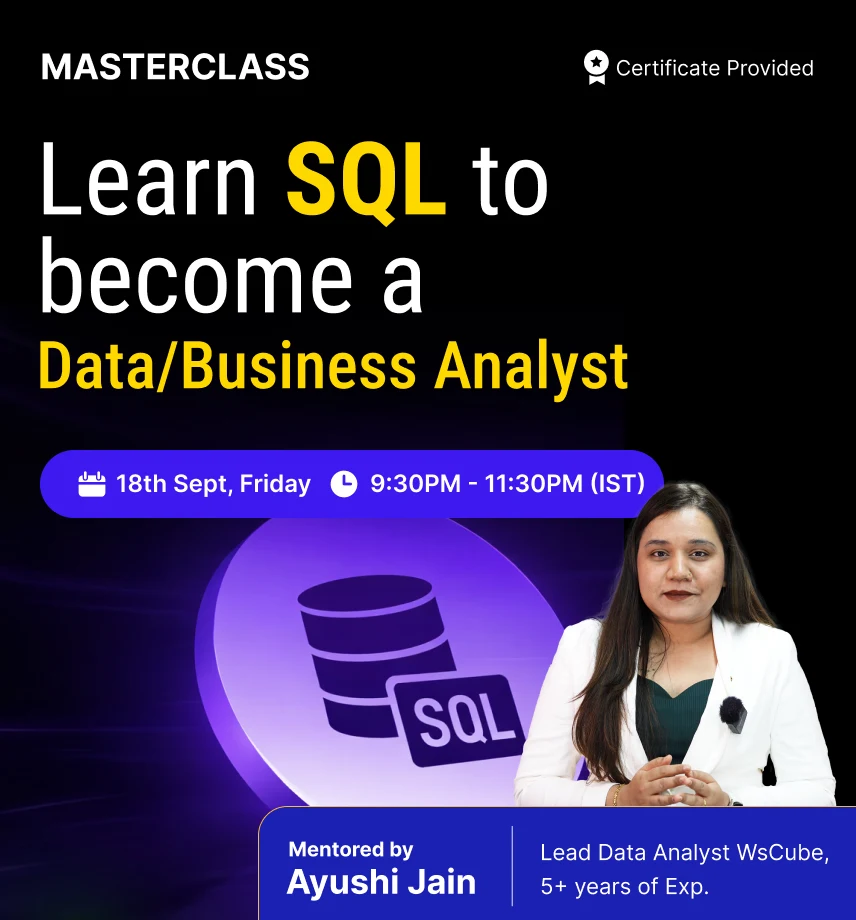
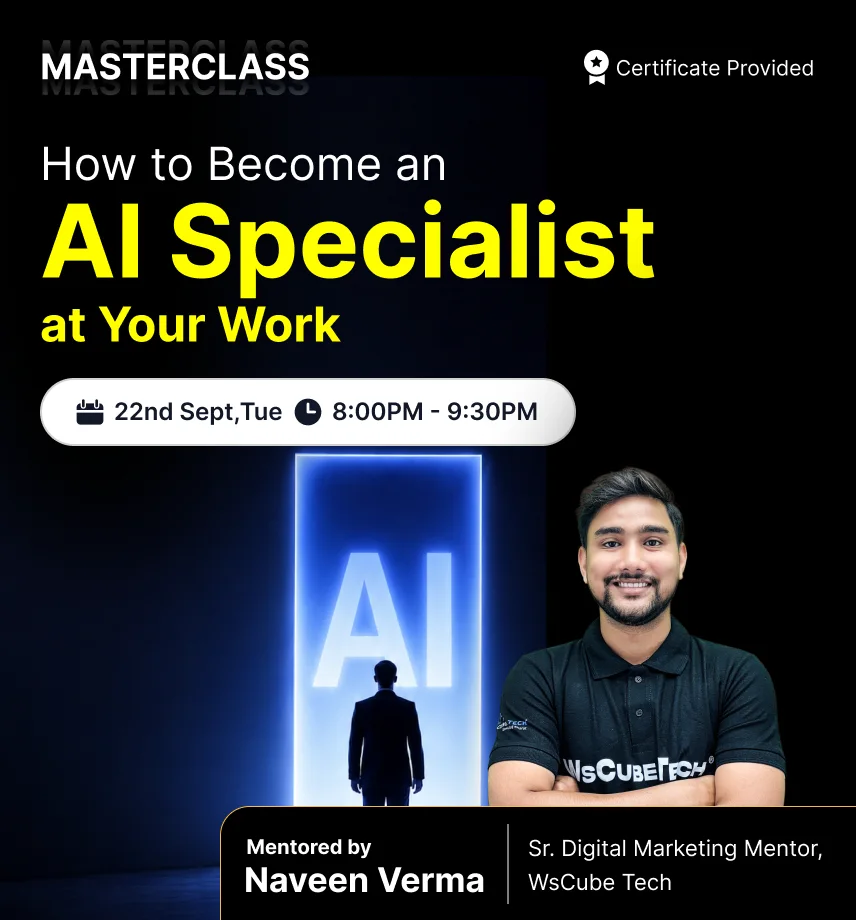
Upcoming Masterclass
Attend our live classes led by experienced and desiccated instructors of Wscube Tech.




Is Digital Marketing Easy to Learn for You?
Your starting point matters. Depending on your current situation, digital marketing can feel very different to learn. Age, prior work experience, available time, and even confidence with technology all shape how smooth or bumpy the journey feels. Here is a realistic breakdown by background.
1. For Students
Students generally find digital marketing easy to pick up because they are already comfortable with technology and social media. If you are in college, you likely already understand how platforms like Instagram and YouTube work from a user's perspective, which gives you a head start.
You also tend to have more flexible time to explore free resources, take on small projects, or intern part-time. Whether you come from a commerce, science, or arts background does not matter much here, since digital marketing does not require subject-specific prior knowledge.
Starting early also means you can graduate with a working portfolio already in place, which puts you ahead of peers who only begin job hunting after their final exams.
2. For Working Professionals Switching Careers
If you are switching careers, the learning curve depends on your current field. Professionals from sales, journalism, graphic design, or customer service backgrounds often transition smoothly, since these roles already involve communication or creative skills that overlap with marketing.
The main challenge is usually time management, since you are learning while working full time. Structured evening or weekend courses tend to work better than trying to self-study in scattered hours. It also helps to understand is digital marketing a good career move for your specific situation before committing your time and effort to the switch.
Career switchers often bring an underrated advantage too, since years of workplace experience usually mean stronger communication, project management, and client-handling skills than a complete beginner would have, and these soft skills carry over directly into digital marketing roles.
3. For Homemakers and Freelancers
Homemakers and freelancers often find digital marketing appealing because it can be learned and practiced from home, at flexible hours. The learning process is easy in terms of access, since most resources are free and online.
The real advantage here is that you can start small, for example managing a local business's Instagram page or offering content writing services and build experience gradually without needing to commit to a fixed schedule or location.
This flexibility also means you can pause and resume learning around family responsibilities without losing progress, since most courses and certifications are self-paced.
4. For Business Owners and Entrepreneurs
Business owners usually learn digital marketing faster because they have a real business to apply it to immediately. Instead of learning in theory, you can test strategies on your own product or service and see results directly. This hands-on connection makes concepts like customer targeting and campaign budgets easier to understand, since you already know your audience and goals.
The main learning curve for business owners is usually technical, such as setting up ad accounts or analytics tools correctly the first time. Many entrepreneurs also find it easier to stay motivated, since every skill learned translates directly into money saved on outsourcing or an agency fee.
Self-Learning vs. Digital Marketing Course: Which is Easy?
One of the biggest questions beginners face is whether to self-learn using free resources or enroll in a structured course. Both paths can work, but they suit different needs. If you are wondering is digital marketing easy to study on your own compared to a guided program, this comparison should help.
| Factor | Self-Learning | Structured Course |
| Cost | Free or very low cost | Paid, varies by institute |
| Time to basic understanding | 2 to 3 months, but scattered | 4 to 8 weeks, more focused |
| Structure | You design your own path | Follows a set digital marketing course syllabus |
| Practical projects | Depends on self-discipline | Usually includes guided projects |
| Doubt clearing | Limited, mostly forums and communities | Direct access to mentors or trainers |
| Certification | Free certificates from platforms like Google and Meta | Course completion certificate, sometimes recognized by employers |
| Best suited for | Self-motivated learners with time to explore | Beginners who want faster, guided progress |
| Risk of gaps in knowledge | Higher, since topics are not always covered in order | Lower, since curriculum is designed to cover all areas |
Both approaches can lead to strong results. Self-learning is easier on the wallet but demands more discipline and time to piece together scattered information. A structured course is easier in terms of guidance and pace but requires financial investment.
Many learners actually combine both, starting with free resources to test their interest, then moving to a structured course once they decide to pursue digital marketing seriously. There is also a real difference in how job-ready you become at the end.
Self-taught learners sometimes have gaps in their knowledge simply because they never came across a topic, while a well-designed course is built to make sure no core area is missed. If your goal is a job or a client-facing freelance career within a set timeframe, a structured course usually gets you there with less trial and error.
Must-Know Concepts in Digital Marketing
How Long Does It Take to Learn Digital Marketing? (Realistic Timeline)
Timelines vary based on your learning method, daily time commitment, and how deep you want to go. Here is a realistic breakdown based on common patterns among learners.
- 1 to 3 months: This is enough time to learn the basics, including how social media marketing works, what SEO means, how to write for the web, and how to read simple analytics. At this stage, you can handle small freelance tasks or assist with basic campaigns.
- 3 to 6 months: With consistent daily practice of 1 to 2 hours, most learners reach an intermediate level. This includes running small ad campaigns, writing SEO-optimized content independently, and understanding how different channels work together.
- 6 to 12 months: To become job-ready for a specialist role, such as an SEO executive or a paid ads associate, most people need 6 to 12 months of combined learning and hands-on practice. This stage involves working on real projects, ideally with feedback from experienced marketers.
- Beyond 12 months: True expertise, where you can independently plan and lead full digital marketing strategies, typically takes a year or more of continuous, real-world experience. Even experienced marketers keep learning, since platforms and algorithms change constantly.
The key takeaway is that the basics genuinely are quick to learn, often within a few weeks of focused effort, but becoming confident and job-ready takes several months of consistent practice rather than passive reading. This timeline lines up with what most learning platforms report.
According to guides on how long it takes to become job-ready in digital marketing, most freshers with structured, full-time learning can go from zero knowledge to their first job offer within six to ten weeks, while those learning through free resources alone often need eight months or more to reach the same level, mainly due to the lack of structure and mentorship.
Daily consistency matters more than long study sessions. Spending one focused hour each day helps you learn and retain skills better than cramming for hours at once. While social media basics can be learned in a few weeks, paid advertising and analytics usually require two to three months of regular practice.
Tips to Make Learning Digital Marketing Easier
If you want to shorten your learning curve and avoid common beginner mistakes, these tips can help.
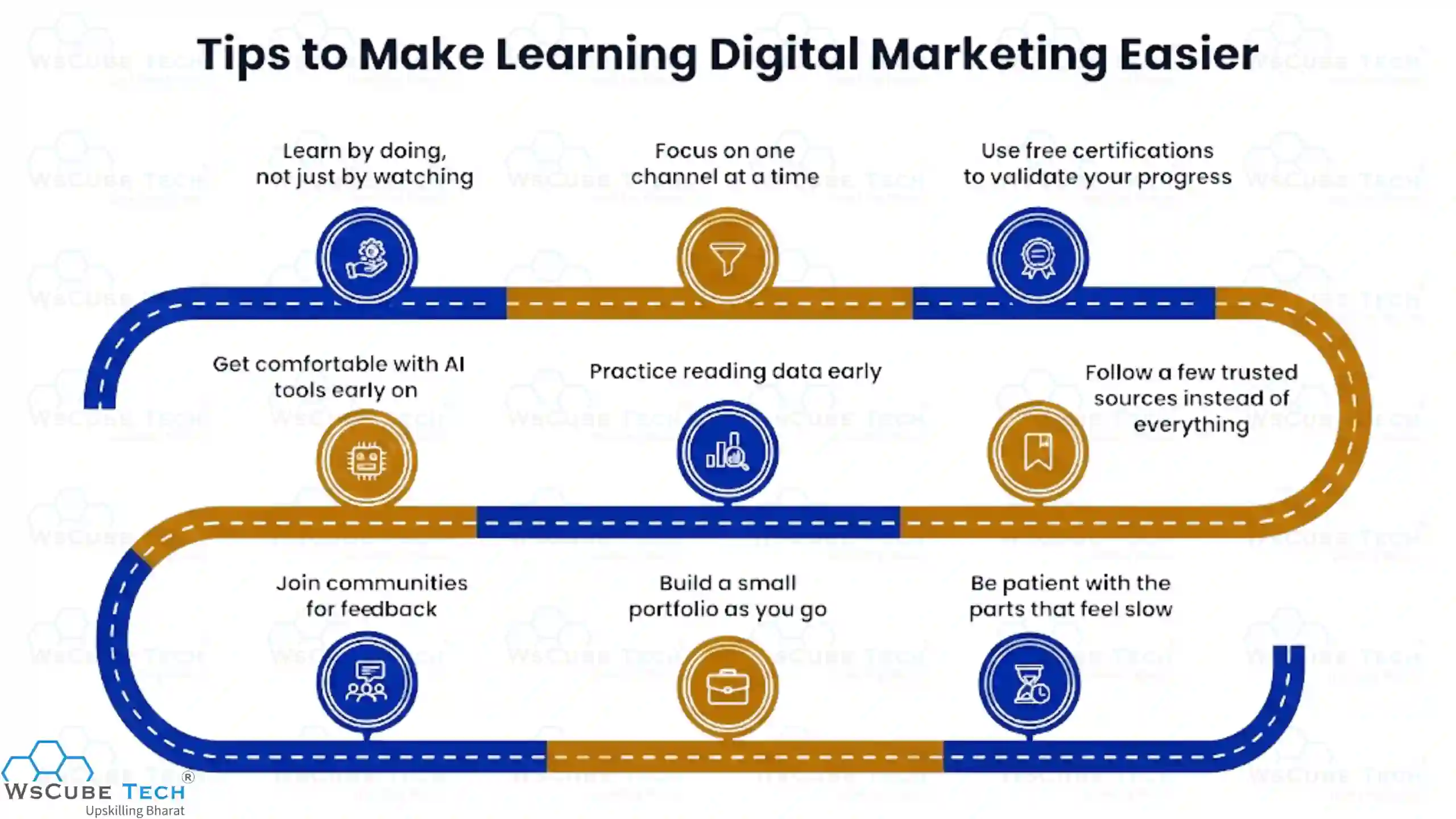
1. Learn by doing, not just by watching
Start a simple blog, social media page, or small project alongside your learning. Applying concepts immediately helps them stick far better than watching videos alone.
2. Focus on one channel at a time
Instead of trying to learn SEO, ads, email, and social media all at once, pick one area, get comfortable with it, then move to the next. This prevents overwhelm and builds real confidence. Trying to master everything simultaneously is one of the most common reasons beginners give up early, since it makes progress feel slow even when real learning is happening.
3. Use free certifications to validate your progress
Completing courses from Google, Meta, or HubSpot Academy gives you structured checkpoints and something concrete to show on your resume or portfolio.
4. Follow a few trusted sources instead of everything
The amount of digital marketing content online can be overwhelming. Pick two or three reliable blogs or YouTube channels and follow them consistently instead of jumping between dozens of sources.
5. Practice reading data early
Even basic comfort with numbers, like knowing what a good click-through rate looks like, will make you far more effective than someone who only focuses on creative work.
6. Get comfortable with AI tools early on
Since AI in digital marketing is now used for tasks like content ideation, ad copy generation, and campaign reporting, learning how to use these tools well from the start will save you time and keep your skills current as the industry evolves.
7. Join communities for feedback
Online groups, forums, and local meetups can help you get feedback on your work, which speeds up learning far more than studying alone.
8. Build a small portfolio as you go
Even simple projects, like a case study on growing a personal Instagram page, show real proof of skill and make your learning journey tangible. When you eventually apply for a job or pitch a client, a portfolio of real examples will speak louder than any certificate.
9. Be patient with the parts that feel slow
Not every result shows up overnight, especially with SEO and organic growth. Understanding this in advance prevents the frustration that causes many beginners to quit right before they start seeing real progress.
Explore Our Most Popular Marketing Courses
FAQs Related to Digital Marketing
Yes, digital marketing is beginner-friendly because it does not require coding or a specific degree. With consistent practice and free learning resources, most people can understand the basics within a few months.
No, a degree is not mandatory for digital marketing. Employers usually value practical skills, certifications, hands-on experience, and a strong portfolio more than academic qualifications.
Social media marketing, content writing, basic SEO, email marketing, and analytics are the easiest skills for beginners. They use simple tools and provide quick feedback, making the learning process more engaging.
Technical SEO, paid advertising, marketing automation, data analytics, and campaign optimization are more advanced. These require strategic thinking, regular practice, and experience to achieve consistent business results.
Yes, you can start learning digital marketing for free using YouTube, Google Skillshop, HubSpot Academy, and Meta Blueprint. These platforms offer high-quality lessons, certifications, and practical learning resources.
Most learners become job-ready within 6 to 12 months through consistent learning and hands-on practice. The exact timeline depends on your study routine, practical experience, and chosen specialization.
Self-learning is affordable and flexible, while structured courses offer expert guidance, projects, and mentorship. Combining both approaches often provides the fastest and most effective way to build job-ready skills.
Yes, many working professionals successfully transition into digital marketing. Transferable skills like communication, creativity, and problem-solving make career switching easier when combined with structured learning and practical experience.
Yes, digital marketing offers excellent opportunities for students and freelancers. It provides flexible work options, remote jobs, freelancing opportunities, and strong career growth across multiple industries.
The fastest way to learn digital marketing is by combining structured learning with real projects. Practicing SEO, content creation, social media, and analytics daily helps build confidence and practical expertise faster.
Conclusion: Is Digital Marketing Easy to Learn
For beginners, the answer to is digital marketing easy to learn is yes. You do not need a technical background or a degree to get started, and plenty of free resources make learning accessible. However, advanced areas like technical SEO, paid advertising, and analytics require consistent practice and hands-on experience.
The key is to start with the basics, apply what you learn through real projects, and keep improving over time. Whether you are a student, professional, homemaker, or business owner, consistent learning and practical experience are what lead to long-term success in digital marketing.
Join Our On-Campus Digital Marketing Program
Explore Our Free Courses



Leave a comment
Your email address will not be published. Required fields are marked *Comments (0)
No comments yet.