Programming skills are important in today’s digital world and play a major role in building modern software, applications, and enterprise systems. From startups to large technology companies, programming is used to create reliable, efficient, and high-performance digital solutions.
Learning programming also improves your logical thinking and problem-solving abilities. It helps you understand how applications are designed and gives you the confidence to build useful, real-world software step by step.
This guide presents a complete Java syllabus and learning path designed to make programming easy to understand. The topics are arranged in a clear and logical order, allowing you to progress smoothly without confusion. With simple explanations and practical examples, this syllabus helps you build strong fundamentals and prepares you to develop structured, professional-level programs with confidence.
What is Java?
Java is a high-level, object-oriented programming language designed to make software development easier, more secure, and more portable. It was introduced in 1995 by Sun Microsystems and is now managed by Oracle Corporation. Java is widely used to build web applications, mobile apps, cloud-based systems, and large enterprise software. Its design focuses on writing clean, reusable code that can be easily maintained and scaled.
One of Java’s biggest strengths is platform independence. Java programs run on the Java Virtual Machine (JVM), which allows the same program to work on different operating systems without changes. Java also includes automatic memory management, strong security features, and a large standard library, making it a dependable choice for developing modern, real-world applications.
Java Code Example
public class HelloWorld {
    public static void main(String[] args) {
        System.out.println("Hello, Java!");
    }
}
Also Read: Coding vs. Programming (Difference & Comparison)
Why Learn Java?
Learning Java helps you build strong programming skills and opens career opportunities in software, mobile, and enterprise development across many industries worldwide.
- Platform Independence: Java allows you to write code once and run it on different operating systems using the Java Virtual Machine, making your applications flexible, portable, and easier to maintain across platforms.
- Strong Career Opportunities: Java skills are in high demand across industries, helping you pursue roles in software development, Android development, backend engineering, and enterprise application development with excellent long-term career growth potential.
- Object-Oriented Programming: Java uses object-oriented concepts like classes, objects, inheritance, and polymorphism, helping you write reusable, structured, and organized code that is easier to understand, manage, and maintain.
- Rich Libraries and Frameworks: Java provides extensive built-in libraries and popular frameworks that help you develop applications faster, reduce coding effort, and handle complex tasks like database access, networking, and security more efficiently.
- Used in Real-World Applications: Java is used in banking systems, enterprise software, Android apps, and large-scale web platforms, allowing you to work on real-world projects that impact millions of users globally.
Learning Java gives you a powerful foundation in programming and prepares you to build professional, scalable, and secure software applications with confidence. If you’re interested in building a career in web development, you can join our online full-stack course.
Recommended Professional Certificates
Full Stack Development Mentorship Program
WordPress Bootcamp
Java Syllabus (Curriculum)
Below is the Java syllabus, organized from beginner to advanced levels, designed to help learners progress step by step with a clear structure and smooth learning flow.
1. Introduction to Java
- What is Java Language?
- Features of Java Language
- History of Java Programming
- Java Uses & Applications
- Java Virtual Machine (JVM)
- Java Development Kit (JDK)
- Java Runtime Environment (JRE)
- Difference Between JDK, JRE, JVM
- Why is Java Platform Independent?
- All Java Editions: Java SE, EE, ME, FX
2. Fundamentals of Java Programming
- Basics of Java Programming
- Java Syntax
- Java Program Compilation Process
- Java Comments
- Java Identifiers
- Java Keywords
- Java Variables
- Java Data Types
- Java Literals
- Java Constants
- Java Input and Output (I/O)
3. Operators in Java
- Java Operators
- Java Assignment Operators
- Java Arithmetic Operators
- Java Unary Operators
- Java Bitwise Operators
- Java Logical Operators
- Java Relational Operators
- Java Ternary Operator
- Java Operator Precedence and Associativity
4. Control Flow in Java
- Java Conditional Statements
- Java if Statement
- Java If-Else Statement
- Java if-else-if Ladder
- Java Switch Statement/Case
- Java Loops
- Java for Loop
- Java While Loop
- Java do-while Loop
- Java Nested Loop
- For-Each Loop in Java
- Java Break Statement
- Java Continue Statement
- Java Return Statement
5. Methods in Java
- Java Methods
- Java Method Parameters & Arguments
- Java Method Overloading
- Java Static Methods
- Java Instance Methods
- Java Recursion
6. Object-Oriented Programming (OOP) in Java
- Java OOP Concepts
- Java Classes and Objects
- Java Constructors
- Java this Keyword
- Java Static Keyword
- Different Types of Blocks in Java
- Java Inheritance
- Java super Keyword
- Java Polymorphism
- Java Method Overriding
- Java Final Keyword
- Java Abstract Class and Method
- Java Interfaces
- Java Encapsulation
- Java Access Modifiers
- Java Packages
- Java Nested Classes
- Java Member Inner Class
- Java Static Nested Class
- Java Anonymous Class
- Java Enums
- Java Singleton Class
7. Arrays & Strings in Java
- Java Arrays
- Java Multidimensional Arrays
- Java String Arrays
- Java String Handling
- Java String Methods
- Java StringBuffer and StringBuilder
8. Exception Handling in Java
- Java Exception Handling
- Java Try-Catch Block
- Java Finally Block
- Java Try-with-Resources
- Java Nested Try Block
- Java Throw and Throws
- Java Custom Exception
- Java NullPointerException
9. Java Wrapper Classes
10. Java Collections Framework
- Java List Interface
- Java Map Interface
- Java Set Interface
- Java Queue Interface
- Java Collections Overview
- Java Iterator and ListIterator
11. Multithreading in Java
12. Java Annotations
13. Java New Features
14. Additional Topics
- Java Lambda Expressions
- Java 8 Streams API
- Java Functional Interface
- Java Method Reference
- Java Tokens
- Java Type Conversion and Type Casting
- Java Expressions
- Java Reflection
- Java Beans Classes
- Java Design Patterns
- Java Serialization and Deserialization
- Java Logging
- Java Assertion
- Java Factory Design Pattern
- Java TreeMap
- Java Generics
After completing the Java syllabus, you will have a strong foundation to develop software applications, understand core programming concepts, and confidently move on to advanced topics like frameworks, backend development, and enterprise-level application design.
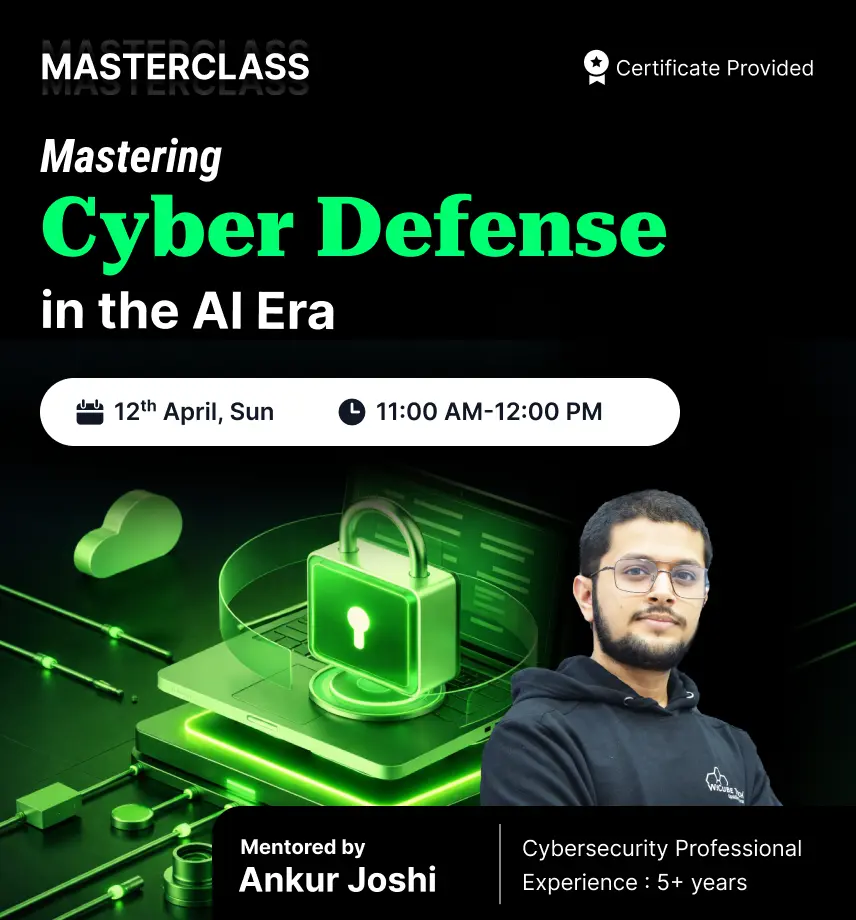
Upcoming Masterclass
Attend our live classes led by experienced and desiccated instructors of Wscube Tech.


Who Should Learn Java?
Java is suitable for anyone who wants to build strong programming skills and work on real-world software applications. It is ideal for beginners, students, professionals, and tech enthusiasts interested in development careers.
- Students: Learning Java helps you understand core programming concepts, improve logical thinking, and build a strong base for academic projects and future careers in software development, engineering, and technology-related fields.
- Beginners in Programming: Java is beginner-friendly and helps you learn structured coding practices, making it easier to understand programming fundamentals before moving on to advanced languages, frameworks, and real-world software development.
- Software Developers: Professional developers use Java to build secure, scalable, and high-performance applications, making it an important skill if you want to work in enterprise software, backend systems, or large application development.
- Android Developers: Java is one of the key languages used for Android app development, helping you create mobile applications that run smoothly and efficiently on a wide range of Android devices.
- Backend Developers: Java is widely used for server-side programming, allowing you to build secure and scalable backend systems. It helps you develop powerful APIs, handle large volumes of data, manage user requests efficiently, and create reliable enterprise-level platforms.
Learning Java opens doors to multiple career paths and helps you build practical programming skills that are valuable in today’s technology-driven world.
Also Read: Java vs JavaScript: All Differences Explained With Comparison
Java Interview Questions
Java interview questions help you prepare for technical interviews by covering important Java concepts, object-oriented programming topics, and practical coding problems. Practicing these questions improves your confidence, strengthens problem-solving skills, and helps you explain Java concepts clearly during interviews.
Web Development Career Guides
| How to Become a Web Developer? | What does a Web Developer do? |
| Is Web Development a Good Career? | How to Learn Web Development? |
| How to Become Backend Developer? | How to Become Full Stack Developer? |
Learn Java Online with WsCube Tech
You can explore the Java tutorial by WsCube Tech, which is specially designed for beginners who want to learn Java from scratch and gradually move toward building real-world applications with confidence.
This tutorial follows a clear, step-by-step learning path with simple explanations, practical examples, and hands-on practice. You can also write, run, and test your code using an online Java compiler. Instead of feeling confused about what to learn next, this tutorial provides a smooth and well-structured roadmap that helps you understand core Java concepts, practice coding regularly, and build a strong foundation for advanced development areas such as backend systems, Android apps, and enterprise software.
To help you practice what you learn, we’ve also added a Java Quiz with beginner-friendly questions so you can test your knowledge and improve your confidence.
Also Read: Web Design vs Web Development: What’s the Difference?
FAQs About Java Syllabus
You should learn Java because it helps you build secure, reliable, and scalable applications. It improves your programming skills, logical thinking, and prepares you for web, mobile, and enterprise development careers.
A Java syllabus covers basic to advanced topics, including syntax, object-oriented programming, data types, operators, control statements, methods, arrays, exception handling, collections, multithreading, and modern features like Java 8+, giving you complete programming knowledge.
You can benefit from a Java curriculum whether you are a student, beginner, or working professional. It helps you build programming skills, understand software development concepts, and prepare for careers in web, mobile, and enterprise application development.
You can complete the Java full course syllabus in a few weeks or months depending on your learning pace. Consistent practice, coding exercises, and building small projects help you finish faster and gain mastery.
No, you don’t need prior coding experience. The syllabus starts with the basics of programming and gradually introduces object-oriented concepts, making it beginner-friendly and easy for anyone to start learning Java confidently.
Yes, projects are essential. By building applications such as calculators, banking systems, or simple Android apps, you practice what you learn, gain problem-solving experience, and strengthen your understanding of Java programming concepts.
You can practice Java using the online Java compiler by WsCube Tech. It lets you write, run, and test Java code directly in your browser, making learning fast, simple, and convenient without installing any software.
Learning Java opens careers in software development, web and mobile app development, backend programming, enterprise solutions, and Android development. It is highly valuable in IT, tech startups, and large-scale software industries.
JDK, JRE, and JVM are parts of the Java platform that work together. The JDK (Java Development Kit) includes tools for writing and compiling programs. The JRE (Java Runtime Environment) runs Java applications, while the JVM (Java Virtual Machine) executes the compiled code.
Yes, Java is still highly relevant in 2026 because it remains widely used for backend development, enterprise software, Android applications, and large systems. Learning Java helps you build strong programming fundamentals and opens long-term career opportunities in the technology industry.
Conclusion
Learning Java gives you a strong foundation in programming and helps you understand how real-world software applications are built. By following this syllabus step by step, you gain knowledge of core concepts, object-oriented programming, and practical problem-solving skills that are essential in modern software development.
With consistent practice and hands-on projects, you become confident in writing structured and efficient Java programs. This knowledge prepares you to explore advanced technologies, frameworks, and development areas such as backend systems, enterprise applications, and mobile app development.
Free Courses for You


Leave a comment
Your email address will not be published. Required fields are marked *Comments (0)
No comments yet.