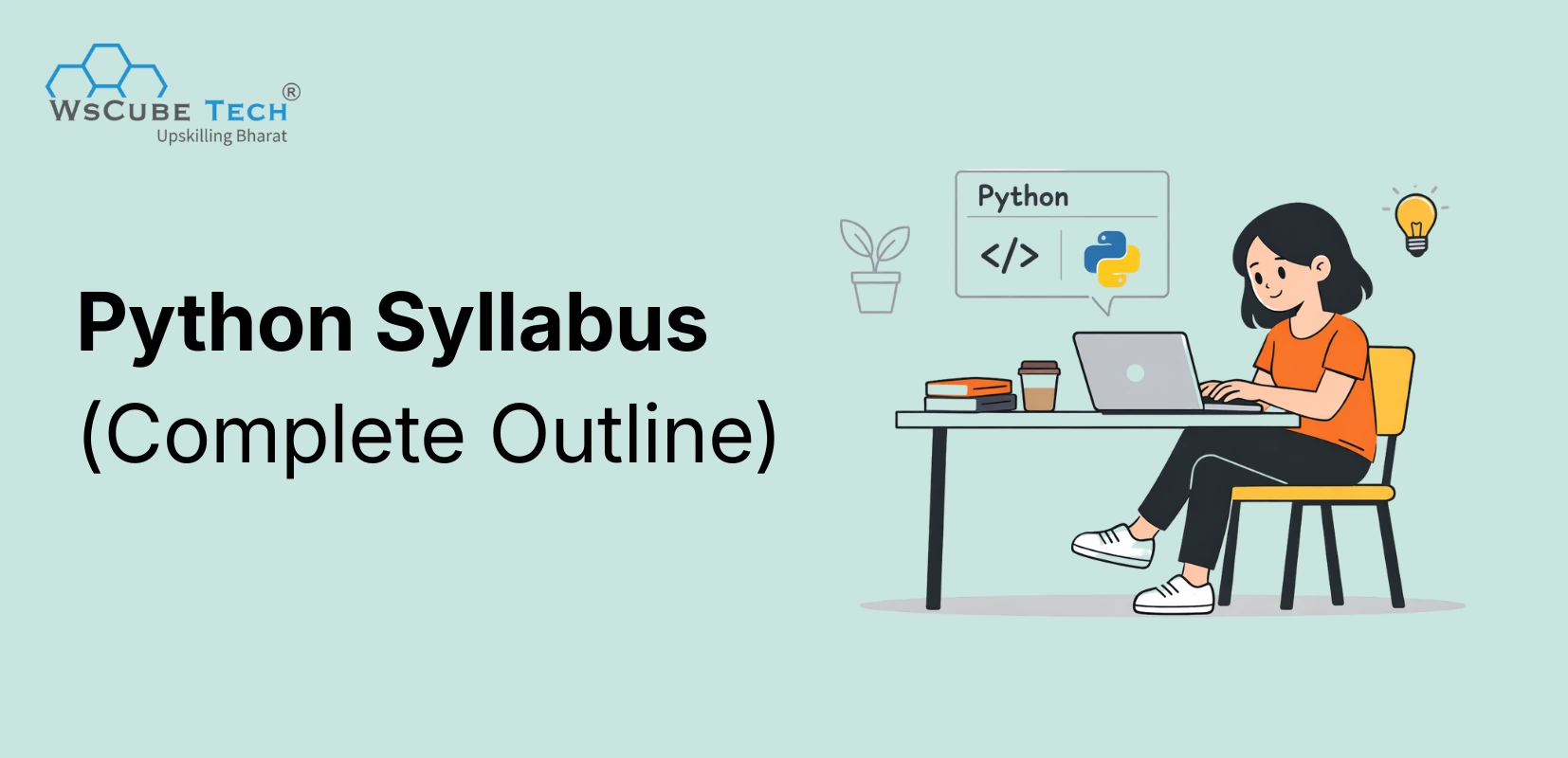
Python is a popular and versatile programming language known for its simple syntax and clear readability. It is widely used by beginners and experienced developers to create a variety of applications, from small scripts to complex systems. Its ease of learning and flexibility make it a strong choice for anyone starting their programming journey.
This Python complete syllabus is designed to guide learners step by step, beginning with basic concepts and gradually moving toward more advanced topics. It builds a strong foundation while also introducing practical skills needed for real-world development.
Python is used in many fields, including data analysis, web development, artificial intelligence, and automation. Because of its wide applications, learning Python opens doors to many career opportunities in technology.
What is Python?
Python is a high-level, general-purpose programming language created by Guido van Rossum and released in 1991. It is designed for readability and ease of use, with clear syntax and meaningful indentation that make programs simple to understand. Python’s simple structure helps learners and developers write efficient code more easily than languages like C++ or Java.
Because of its simplicity and flexibility, Python has become one of the most widely used programming languages. Developers use it in many areas, including:
- Web Development: Building the backend systems that power websites and web applications.
- Automation: Creating scripts that automate repetitive tasks, saving time and reducing manual effort.
- Data Science & Machine Learning: Working with data, building visualizations, and developing predictive models.
- Artificial Intelligence (AI): Designing intelligent systems and advanced learning algorithms.
- Software Development: Developing desktop applications, tools, and complete software solutions.
Python Code Example
print("Welcome to Python!")Also Read: Difference Between Front-end vs Backend Development: Full Comparison
Why Learn Python?
Python is easy to learn, powerful to use, and applied across many industries, making it an excellent choice for beginners and professionals building modern technical and programming skills.
- Easy to Learn and Read: Python uses simple, clear syntax that feels close to everyday English, helping beginners understand programming concepts faster and write code without getting confused by complex symbols or rules.
- Used in Real-World Applications: Python is used to create websites, automate repetitive tasks, process and analyze data, and build intelligent systems. The knowledge you learn can be applied to practical projects across industries such as technology, business, education, research, and digital services.
- High Career Demand: Many companies look for Python developers in fields like software development, data science, artificial intelligence, and cybersecurity, making Python a valuable skill for strong and future-ready career opportunities.
- Large Community and Libraries: Python has a huge global community and thousands of ready-to-use libraries that help developers build applications faster, solve problems easily, and learn from shared knowledge and resources.
Learning Python not only builds programming knowledge but also opens doors to exciting career paths and real-world innovation.
Recommended Professional Certificates
Full Stack Development Course with AI Engineering
WordPress Bootcamp
Python Syllabus (Curriculum)
Below is the Python syllabus, organized from beginner to advanced levels, to help learners progress step by step with a clear structure and a smooth learning path.
1. Introduction to Python
- What is Python?
- Python Language Advantages
- Key Features of Python
- Python Uses and Applications
- How to Download & Install Python?
- Python History
2. Basics of Python
- Python Syntax
- Python Keywords
- Python Statements
- Python Input
- Python Print
- Python Comments
- Python Indentation
- Python Variables
3. Operators in Python
- Python Operators
- Python Arithmetic Operators
- Python Assignment Operators
- Python Comparison Operators
- Python Logical Operators
- Python Bitwise Operators
- Python Special Operators
- Python Ternary Operator
- Python Precedence and Associativity of Operators
4. Python Data Types
- Python Data Types
- Python Numbers
- Python Strings
- Python Lists
- Python Tuples
- Python Dictionary
- Python Type Conversion
- Python Sets
- Python Constants
- Python Literals
- Python Arrays
5. Python Control Flow
- Python Conditional Statements
- Python Loops
- Python Nested Loops
- Python Break Statement
- Python Continue Statement
- Python Pass Statement
6. Python Functions
- Python Functions
- Python Built-in Functions
- Python Function Arguments
- Python Global Variable
- Python Recursion
- Python Modules
- Python Main Function
- Python *args and **kwargs
7. Python OOP (Object-Oriented Programming)
- Python OOPs Concepts
- Python Classes and Objects
- Python Inheritance
- Python Encapsulation
- Python Polymorphism
- Python Constructors
- Python Operator Overloading
- Python Method Overriding
- Python Method Overloading
- Python Data Abstraction
- Python Iterators
- Python Generators
- Python Decorators
- Python Closure
- Python Property
8. Python File Handling
9. Python Exception Handling
10. Python Date and Time
- Python Datetime Module
- Python strftime()
- Python strptime()
- Python Current Date and Time
- Python Timestamp to Datetime and Vice-Versa
- Python Time Module
- Python sleep
11. Python Advanced Topics
After completing the Python programming syllabus, you’ll understand core concepts, write efficient code, and solve real-world problems.
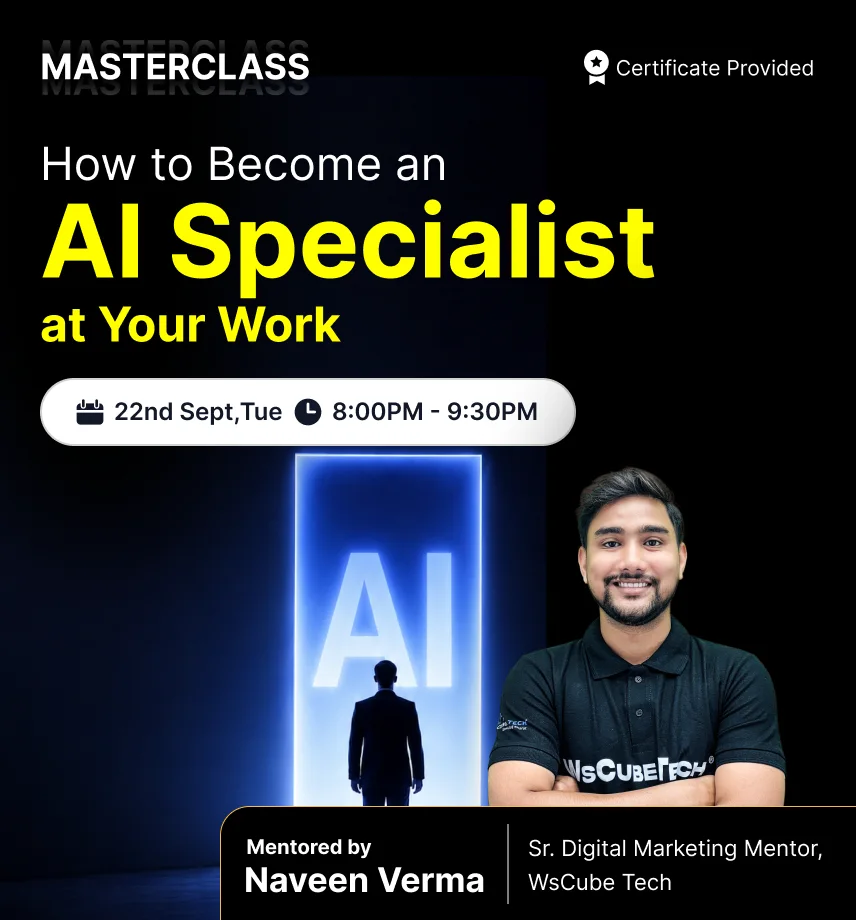
Upcoming Masterclass
Attend our live classes led by experienced and desiccated instructors of Wscube Tech.



Who Should Learn Python?
Python is suitable for anyone interested in programming, from complete beginners to experienced professionals.
- Students and Beginners: Python is perfect for students and first-time learners because its simple and readable syntax makes programming easier to understand, helping them build strong logical thinking and coding foundations without feeling overwhelmed.
- Working Professionals: Professionals from non-technical or technical backgrounds can learn Python to automate tasks, improve productivity, and add valuable programming skills that open new career opportunities in technology-driven industries.
- Aspiring Data Scientists: Python is commonly used in data analysis, machine learning, and visualization, making it an essential language for learners who want to work with data, build predictive models, and explore artificial intelligence fields. It also provides powerful libraries that help you clean data, perform statistical analysis, and create meaningful insights that support better decision-making in real-world projects.
- Web Developers: Python can be used for backend development to build secure server-side applications, manage databases, and create dynamic websites using popular frameworks that support scalable and efficient web solutions.
Learning Python is a smart step toward building future-ready technical skills and unlocking opportunities in many fast-growing technology fields.
Also Read: Web Design vs Web Development: Key Differences & Comparison
Python Interview Questions
Regular practice is essential for mastering Python. Solving Python interview questions helps you check your understanding, enhance problem-solving skills, and get fully prepared for job interviews. You can also explore more Python interview questions and answers on our website to strengthen your knowledge and boost your confidence.
Python Projects
Python projects help you turn your programming knowledge into practical experience by building real applications and solving meaningful problems. Working on projects sharpens your coding skills, deepens your understanding of core concepts, and boosts your confidence in writing logical programs, managing data, and creating useful software for real-world use.
Explore More on Syllabus Blogs
| C++ Syllabus | SQL Syllabus |
| C Language Syllabus | JavaScript Syllabus |
| DSA Syllabus | Java Syllabus |
| HTML Syllabus | CSS Syllabus |
| MERN Stack Course Syllabus | DBMS Syllabus |
Learn Python from Scratch with WsCube Tech
You can explore the Python tutorial by WsCube Tech, specially designed for beginners who want to start from zero and gradually grow into confident Python developers. The tutorial explains concepts in simple terms, making it easier for you to understand programming clearly and comfortably.
This tutorial follows a clear, step-by-step learning path with practical examples and hands-on exercises. You don’t just read theory, you actively write programs and apply what you learn. You can also use an online Python compiler to write, run, and test your code instantly, which makes learning more interactive and engaging.
Along with learning, you can test your knowledge with a Python quiz to check your understanding and strengthen your concepts. This structured approach helps you move from basics to advanced topics while preparing for real-world areas like web development, automation, data science, and artificial intelligence.
FAQs About Python Syllabus
Python is a beginner-friendly programming language used in data science, web development, automation, and artificial intelligence. When you learn Python, you gain a versatile skill that helps you build real applications and opens doors to many modern technology careers.
A Python syllabus covers basic to advanced topics, including syntax, data types, operators, control flow, functions, data structures, object-oriented programming, file handling, exception handling, modules, and modern Python features, giving you complete programming knowledge for real-world development.
A Python curriculum is useful for students, beginners, professionals, and career changers. You can learn Python whether you want to enter software development, data science, automation, or simply improve your problem-solving and logical thinking skills.
Completing a Python full syllabus depends on how much time you practice each day. If you stay consistent, you can learn the basics within 3–6 months and then gradually progress to advanced topics and project-based learning with confidence.
No, you do not need any technical background to start learning Python. You can begin with the basics, and as you practice regularly, you will gradually understand programming concepts, logic building, and problem-solving skills with confidence.
Yes, Python projects are very important because they help you apply what you learn. When you build projects, you improve your coding skills, understand concepts better, and gain confidence to create programs that solve real-world problems.
Python can lead you to careers in software development, data analysis, machine learning, web development, and automation. Companies value Python skills because you can use them to build applications, analyze data, and create efficient technical solutions.
Some of the most commonly used Python frameworks include Django and Flask for web development, FastAPI for building APIs, and TensorFlow and PyTorch for machine learning. These frameworks help you build powerful, scalable, and efficient applications more easily.
You can practice Python using online Python compilers and coding platforms that let you write, run, and test code directly in your browser. This makes learning fast, simple, and convenient without requiring any software installation.
After finishing the Python complete syllabus, you should start working on real-world projects to strengthen your skills. You can also explore advanced fields like web development, data science, or machine learning to grow your expertise further.
Conclusion
Learning Python is a valuable step for anyone who wants to build a strong foundation in programming. Its simple syntax and easy readability make it ideal for beginners, while its powerful features support advanced development. By following a structured syllabus, you can understand core concepts step by step and gradually move toward more complex topics. This steady learning approach helps you gain confidence and develop logical thinking skills that are essential in programming.
With regular practice and project work, you can turn your knowledge into real-world skills. Python opens opportunities in web development, data science, automation, artificial intelligence, and many other fast-growing fields. Staying consistent and curious will help you grow further and become a confident, job-ready Python developer.
Join Our On-Campus Web Development Related Courses



Leave a comment
Your email address will not be published. Required fields are marked *Comments (0)
No comments yet.