

Data science has become one of the most in-demand skills in today’s digital world. Companies collect huge amounts of data every day, and they need professionals who can analyze that data and turn it into useful insights. Learning data science allows you to solve real-world problems, improve decision-making, and create smart solutions using data.
If you are wondering how to learn data science, the good news is that anyone can start with the right guidance and consistent practice. By learning programming, statistics, and data analysis tools step by step, you can gradually build strong data science skills and open doors to exciting career opportunities across multiple industries worldwide, including healthcare, finance, e-commerce, marketing, and technology sectors.
What is Data Science?
Data Science is a field that focuses on collecting, analyzing, and interpreting data to extract meaningful insights. It combines programming, statistics, and domain knowledge to understand patterns, trends, and relationships within data. Organizations use data science to make better decisions, improve performance, and solve complex real-world problems.
In simple terms, data science helps you convert raw data into valuable information. By using techniques like data analysis, visualization, and machine learning, professionals can uncover hidden insights and support data-driven decision-making across different industries.
Process of Data Science:
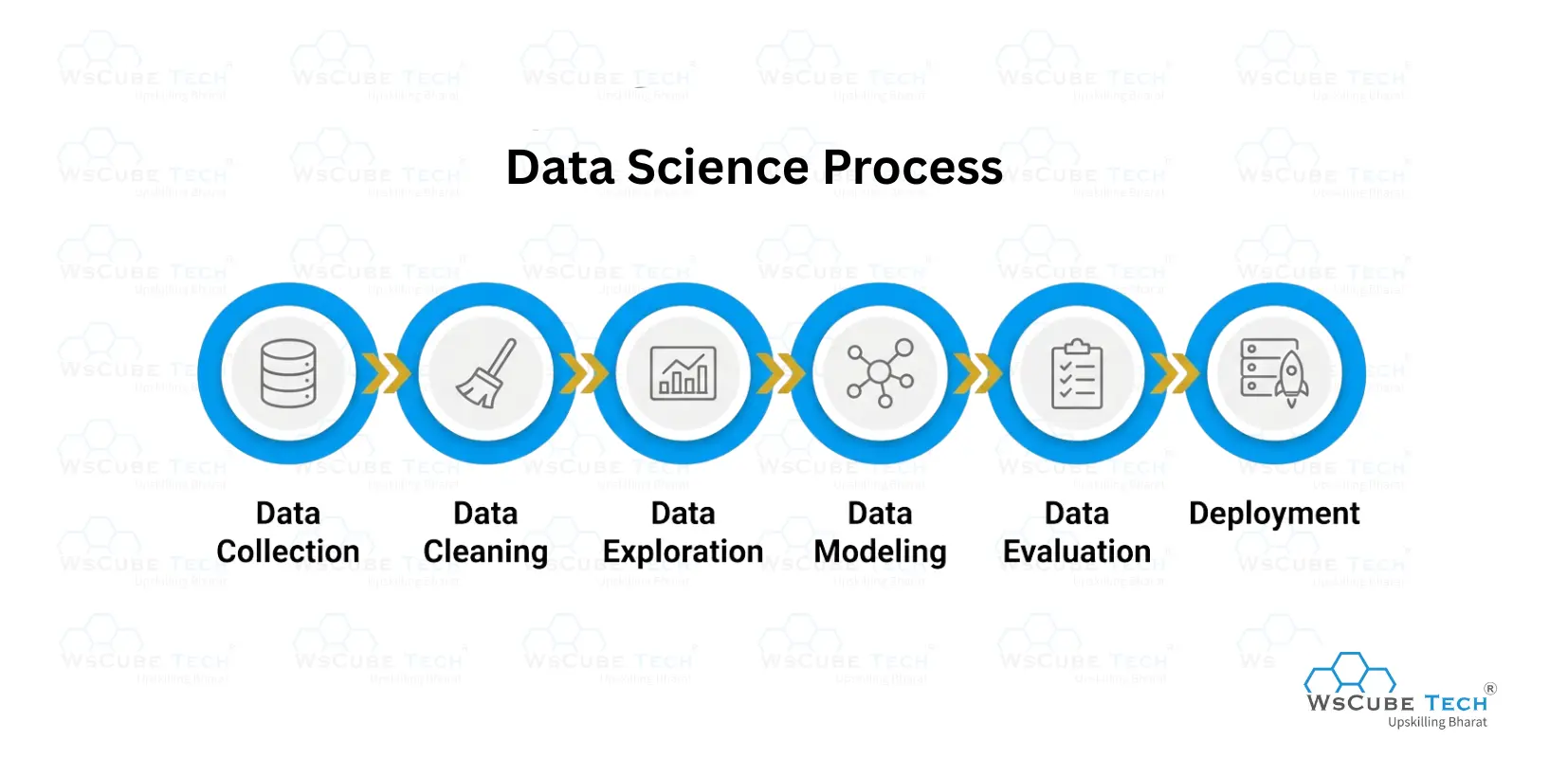
The data science process involves a set of steps that help turn raw data into useful insights:
- Data Collection: The first step is to gather data from various sources, such as databases, websites, or applications.
- Data Cleaning: Removing errors, missing values, and inconsistencies to prepare the data for analysis.
- Data Exploration: Understanding the data using basic analysis and visualization techniques.
- Data Modeling: Applying algorithms and machine learning models to find patterns and make predictions.
- Evaluation: Checking the accuracy and performance of the model.
- Deployment: Using the final model or insights in real-world applications for decision-making.
Why Learn Data Science?
Data science helps you build in-demand skills, solve real-world problems, and make data-driven decisions. It also offers strong career growth, high salaries, and opportunities across multiple industries. Below are the key reasons to learn data science:
- High-Demand Career: Data science professionals are highly demanded worldwide as companies rely on data for decisions, creating numerous job opportunities with stability, growth, and long-term career security.
- Attractive Salary Packages: Data science roles offer competitive salaries compared to many other fields, making it a financially rewarding career option for beginners and experienced professionals across industries.
- Versatile Career Opportunities: Data science opens doors to various industries, including healthcare, finance, e-commerce, and technology. It gives you the flexibility to select a field that matches your skills, interests, and long-term career aspirations, providing diverse and rewarding growth opportunities.
- Solve Real-World Problems: Data science allows you to work on real-world challenges like predicting trends, improving services, and helping organizations make better and smarter decisions using data.
- Future-Proof Skill: As data continues to grow rapidly, data science remains a future-proof skill, ensuring long-term relevance and demand in the evolving digital and technology-driven world.
Recommended Professional Certificates
Data Analytics Course with Gen AI
Data Science Course with Internship & Placement Support
Is Data Science Hard for Beginners?
Data science may seem difficult at the beginning, especially for beginners with no background in programming or mathematics. Concepts like statistics, coding, and machine learning can feel complex at first.
However, it is not as hard as it looks if you follow a step-by-step approach. By starting with basics like Python, simple statistics, and data analysis, you can gradually build your understanding and confidence.
With regular practice, real-world projects, and consistent learning, data science becomes much easier over time. Anyone can learn it with dedication and the right guidance.
How Long Does It Take to Learn Data Science?
The time required to learn data science depends on your background, consistency, and learning approach. On average, it takes around 6 months to 1 year to build basic to intermediate skills with regular practice.
If you already have knowledge of programming or mathematics, you can learn faster, usually within 4–6 months. You can focus on Python, data analysis, visualization, and basic machine learning. However, beginners may take around 8–12 months as they need to first understand programming, statistics, and then apply these concepts through projects.
To become highly skilled and job-ready, it may take 1–2 years. Continuous practice, real-world projects, and hands-on experience play a key role in mastering data science.
Skills Required to Become a Data Science Professional
To become a successful data scientist, you need a mix of technical, analytical, and problem-solving skills. These skills help you collect, process, analyze, and build models from data to generate useful insights.
- Programming Skills (Python/R): Programming languages like Python and R help you clean data, analyze datasets, automate tasks, and build machine learning models for solving real-world problems.
- Statistics and Mathematics: A strong understanding of statistics and mathematics helps you analyze data correctly. Concepts like probability, distributions, and linear algebra are important for building accurate models.
- Data Visualization: Data visualization helps present complex data in simple visual forms such as charts, graphs, and dashboards. Tools like Tableau, Power BI, and Matplotlib make it easier to communicate insights clearly.
- Database and SQL Knowledge: SQL is important for accessing and managing data stored in databases. It allows analysts to retrieve, filter, and organize large datasets efficiently for analysis and reporting.
- Machine Learning Basics: Understanding basic machine learning concepts helps you build predictive models and identify patterns in data. It improves your ability to make forecasts and automate decision-making processes.
- Data Cleaning and Preprocessing: Data cleaning involves handling missing, incorrect, or duplicate data. Preprocessing prepares raw data into a structured format suitable for analysis and machine learning models.
- Big Data Tools (Hadoop/Spark): Big data tools such as Hadoop and Spark enable the processing and analysis of massive datasets quickly, especially when traditional tools cannot handle large-scale data efficiently.
- Business Understanding: You should understand business goals, problems, and industry requirements. This helps you apply data analysis and machine learning models effectively to solve real-world problems and deliver meaningful insights.
- Communication Skills: Communication skills are important to explain complex data insights in simple language so that non-technical stakeholders can understand and make informed decisions.
- Domain Knowledge: Domain knowledge means understanding a specific industry, such as healthcare or finance, which helps you analyze data more effectively and provide more relevant, useful insights.
Upcoming Masterclass
Attend our live classes led by experienced and desiccated instructors of Wscube Tech.





How to Learn Data Science? Step-by-Step Roadmap
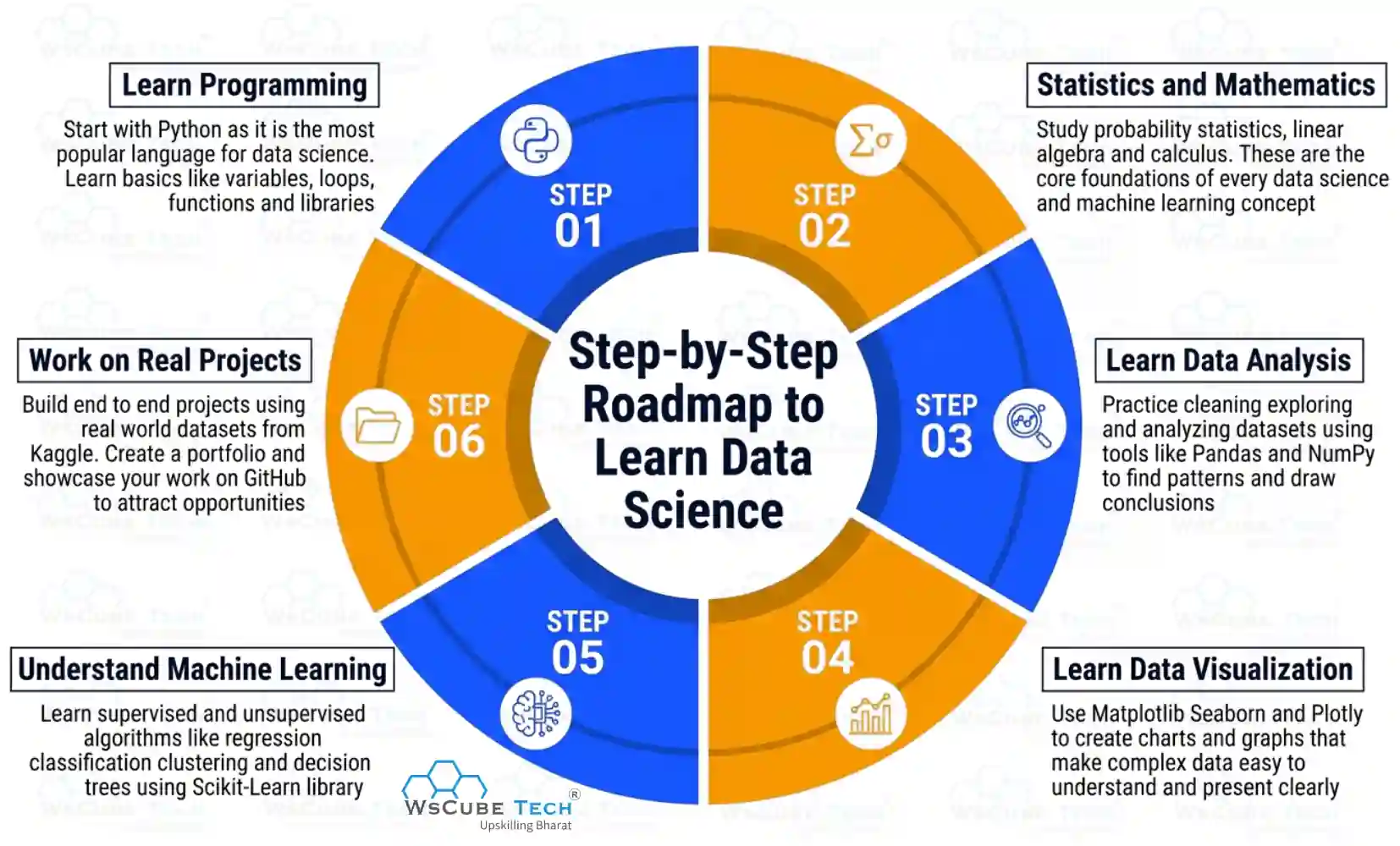
Here is a simple roadmap you can follow to start learning data science step by step. By following these steps, you can build strong knowledge and practical skills in this field.
Step 1: Learn Programming
The first step is to learn programming, which is essential for working with data in data science. Languages like Python and R are commonly used because they help in data analysis, data manipulation, and building models. Learning programming also allows you to automate tasks and handle large datasets efficiently, making it easier to understand and apply data science concepts.
Step 2: Understand Statistics and Mathematics
Understanding statistics and mathematics is important in data science because it helps you analyze data and draw accurate conclusions. Concepts such as probability, averages, distributions, and linear algebra are commonly used. These fundamentals help you understand data patterns, evaluate models, and make better data-driven decisions.
Step 3: Learn Data Analysis
Learning data analysis helps you understand how to collect, clean, and examine data to find useful insights. It involves working with tools like Python, Excel, or SQL to organize data, identify patterns, and make data-driven decisions. This step builds the foundation for solving real-world problems using data.
Step 4: Learn Data Visualization
Learning data visualization helps you present data in a clear and easy-to-understand format. It involves using charts, graphs, and dashboards to highlight patterns and insights. Tools like Tableau, Power BI, and Python libraries help communicate results effectively.
Step 5: Understand Machine Learning
Understanding machine learning is important because it helps you build models that can learn from data and make predictions. In this step, you learn basic algorithms like regression, classification, and clustering, which are widely used to solve real-world problems.
Machine learning also helps in identifying patterns, improving decision-making, and automating tasks. By practicing these techniques, you can create smarter systems that analyze data and provide accurate results.
Step 6: Work with Real-World Data and Projects
Working with real-world data and projects helps you apply everything you have learned. You can practice by solving real problems, building projects, and creating a portfolio. This step improves your practical skills, boosts confidence, and prepares you for job opportunities in data science.
Read in Detail: Complete Data Scientist Roadmap for Beginners
Important Tools Used in Data Science
Below are the key tools commonly used in data science:
| Category | Tools/Technologies | Purpose |
| Programming Languages | Python, R | Used for data analysis, building models, and handling large datasets efficiently. |
| Data Visualization | Tableau, Power BI, Matplotlib | Helps in creating charts, graphs, and dashboards to present data insights clearly. |
| Database Management | SQL, MySQL, PostgreSQL | Used to store, manage, and retrieve structured data from databases. |
| Machine Learning Libraries | Scikit-learn, TensorFlow, Keras | Helps in building and training machine learning models for predictions and analysis. |
| Big Data Tools | Hadoop, Apache Spark | Used to process and analyze large volumes of data quickly and efficiently. |
| Data Analysis Libraries | Pandas, NumPy | Helps in data manipulation, cleaning, and numerical computations. |
| Cloud Platforms | AWS, Google Cloud, Microsoft Azure | Provides cloud-based storage, computing power, and scalable data processing solutions. |
Also Read: Data Science Course Syllabus: Fees, Duration, Eligibility, Details
Best Online Platforms to Learn Data Science
If you want to learn data science in a structured and practical way, WsCube Tech offers a data science course. This course covers everything from basic concepts to advanced techniques with hands-on projects, live mentorship, and industry-relevant training, helping you become job-ready and build a strong career in data science.
Books to Learn Data Science
1. Python for Data Analysis” by Wes McKinney
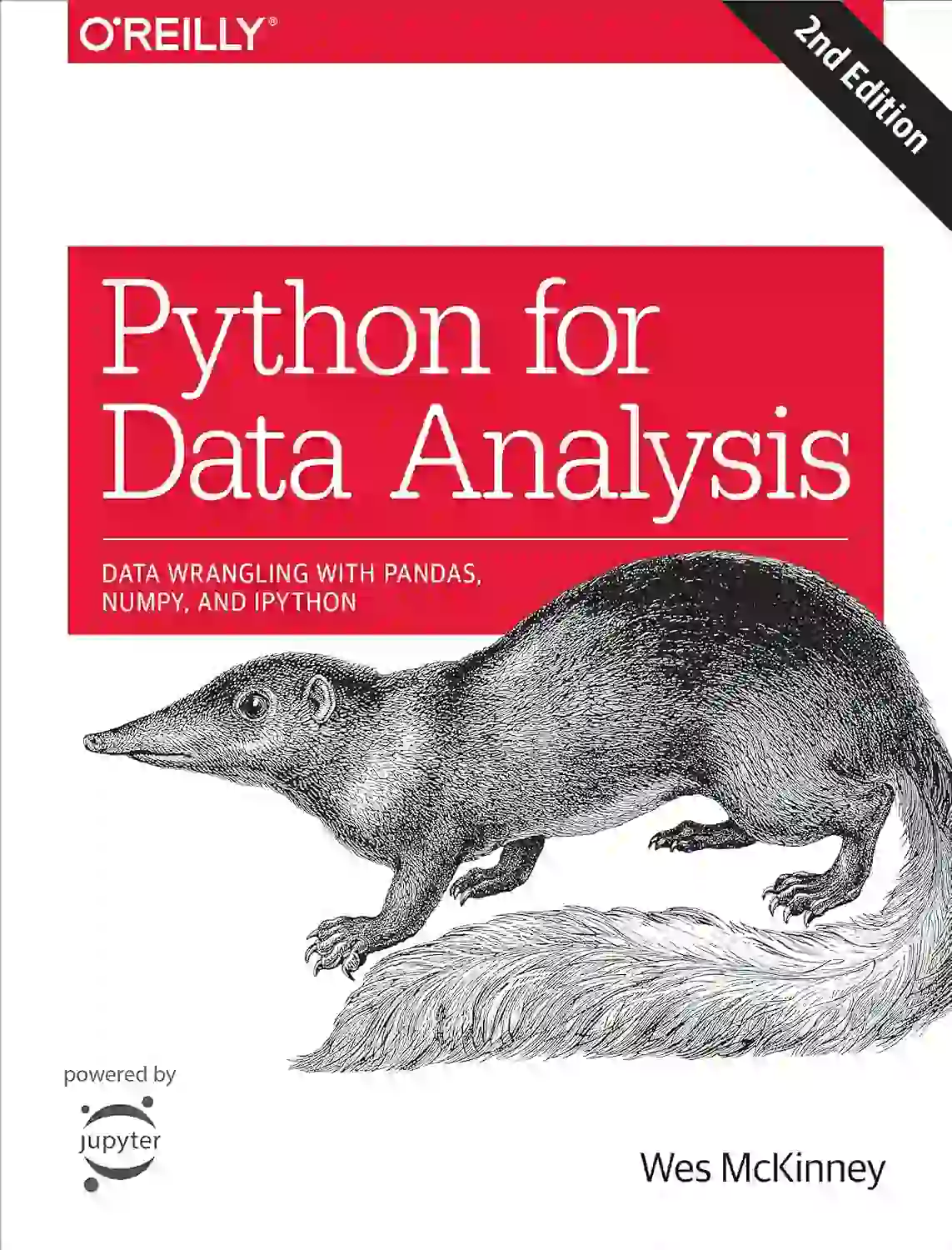
Learn data manipulation, cleaning, and analysis using Python and Pandas.
2. Data Science from Scratch” by Joel Grus
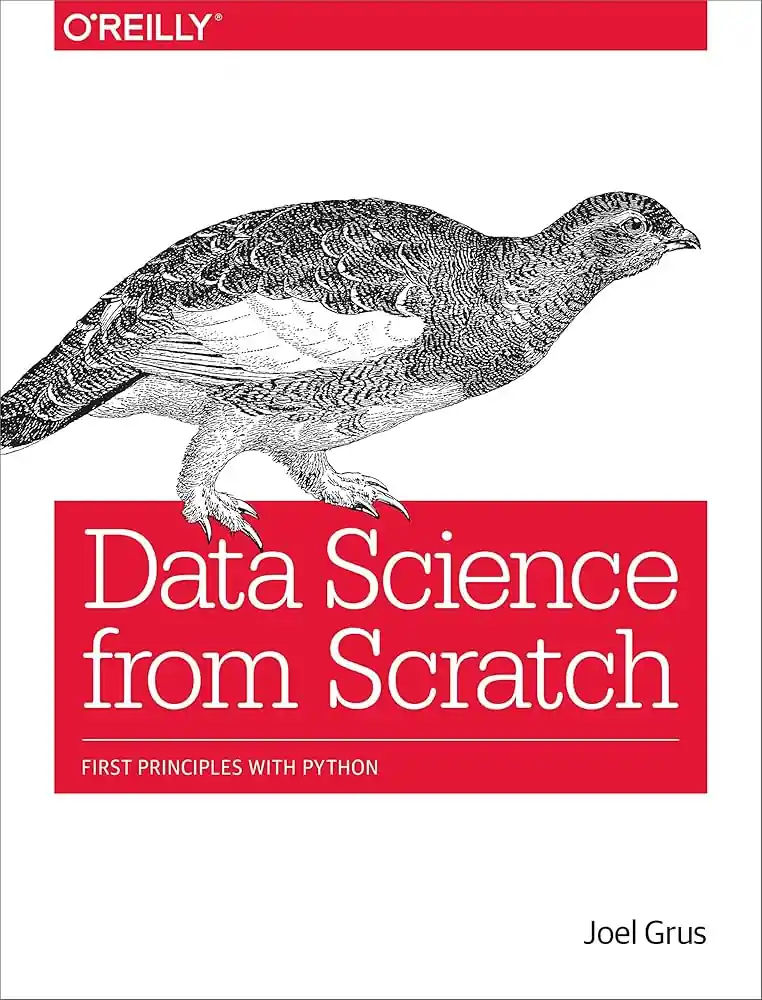
Understand data science concepts and build algorithms from the ground up.
3. Practical Statistics for Data Scientists” by Peter Bruce & Andrew Bruce
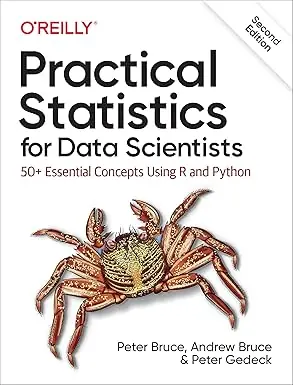
Covers essential statistics for data analysis and interpretation.
4. Hands-On Machine Learning with Scikit-Learn, Keras & TensorFlow” by Aurélien Géron
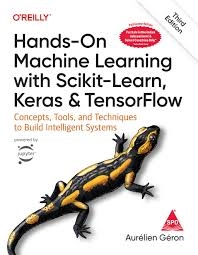
A practical guide to machine learning with Python libraries.
5. R for Data Science” by Hadley Wickham & Garrett Grolemund
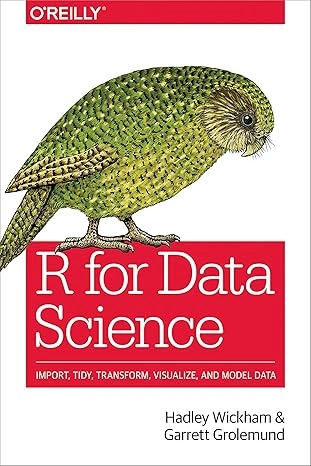
Learn data analysis, visualization, and modeling using R.
6. Deep Learning with Python” by François Chollet

Learn deep learning concepts and build neural networks using Python and Keras.
Read more on Career Guides
Tips to Learn Data Science Faster
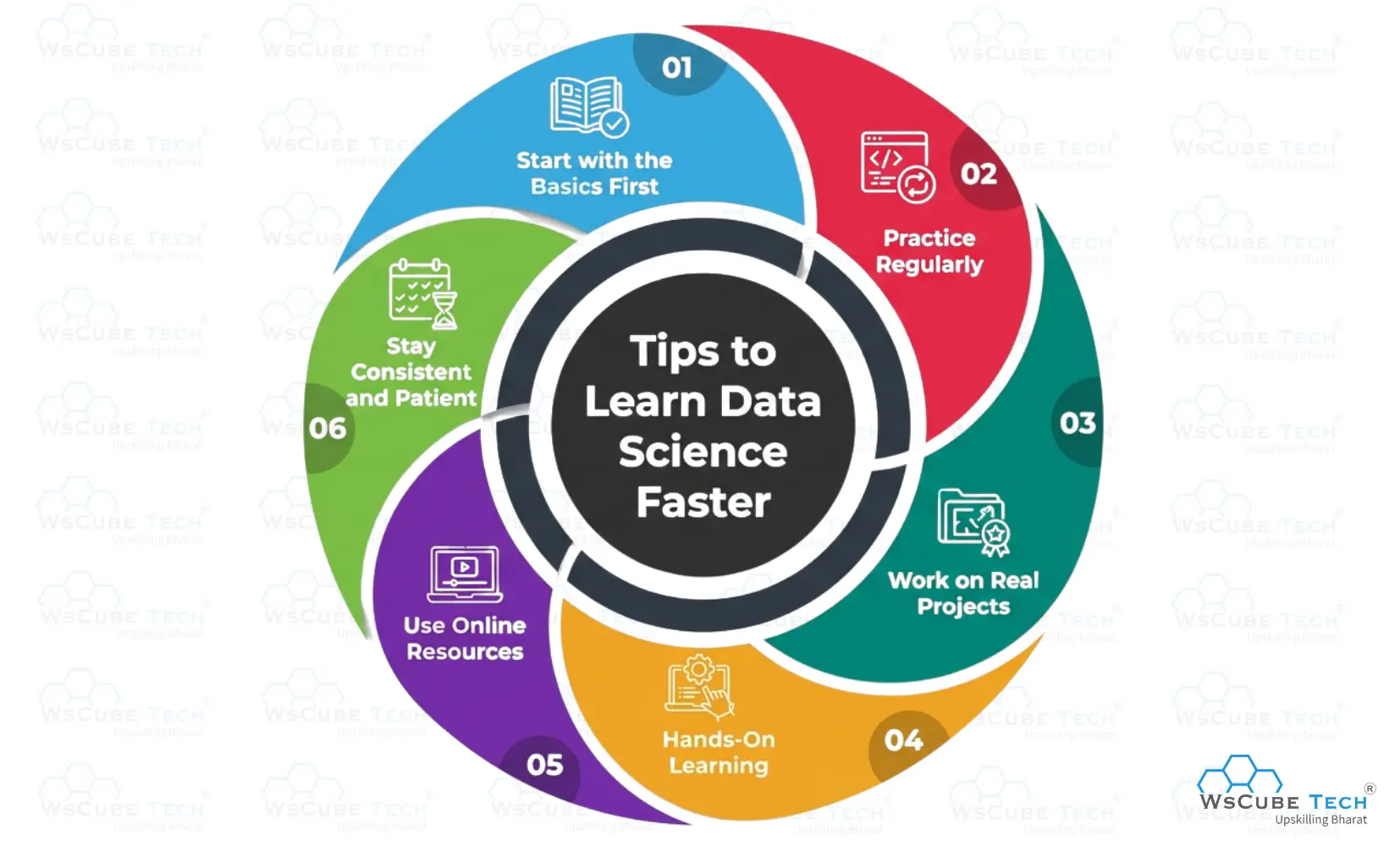
Learning data science faster requires consistency, practice, and a clear roadmap. Focus on basics, build projects, and stay consistent in learning. Below are some tips to help you learn efficiently:
- Start with the basics first: Begin with fundamental concepts like programming, statistics, and data analysis. Building a strong foundation helps you understand advanced topics easily and avoids confusion later.
- Practice Regularly: Consistent practice is key to mastering data science. Work on small exercises, datasets, and coding problems daily to improve your understanding and problem-solving skills.
- Work on Real Projects: Build projects using real-world datasets to apply your knowledge in practical situations. This improves problem-solving skills, deepens understanding, and helps you create a strong portfolio to showcase your abilities.
- Practice Through Hands-On Learning: Do not rely only on watching tutorials. Apply concepts by coding, experimenting with datasets, and solving real problems to improve understanding, speed, and confidence in learning.
- Use Online Resources: Take advantage of free courses, tutorials, and documentation available online. These resources help you learn new concepts quickly and stay updated with industry trends.
- Stay Consistent and Patient: Learning data science takes time, so focus on steady progress rather than rushing. Practice regularly, revise concepts, and stay committed to your learning routine. Patience and consistency will help you build strong skills and long-term understanding.
Also Read: Data Analyst vs. Data Scientist: Key Differences & Comparison
Common Mistakes to Avoid While Learning Data Science
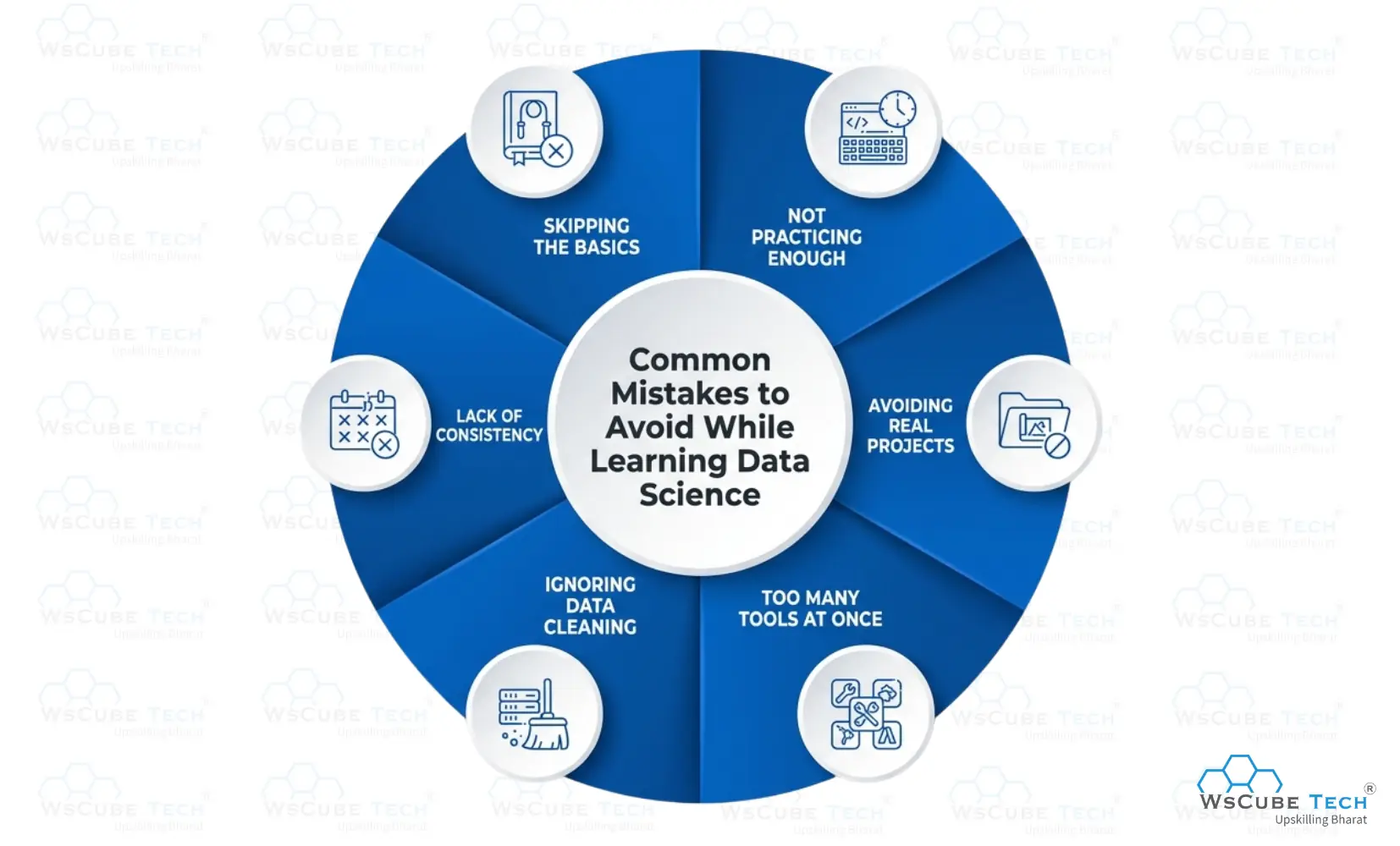
Many beginners make common mistakes that slow their learning progress and create confusion. Being aware of them helps you learn efficiently. Below are some mistakes you can avoid:
- Skipping the Basics: Jumping directly into advanced topics without understanding fundamentals like programming, statistics, and data analysis can create confusion and make learning difficult in later stages.
- Not Practicing Enough: Only watching tutorials without practicing leads to weak understanding. Regular hands-on practice with coding and datasets is essential to build strong and practical data science skills.
- Avoiding Real Projects: Focusing only on theory without working on projects can slow your progress. Building real-world projects helps you apply concepts, gain practical experience, understand challenges better, and improve your problem-solving skills effectively.
- Learning Too Many Tools at Once: Trying to learn multiple tools and technologies together can overwhelm beginners. Focus on one tool at a time, master it properly, and then move to the next.
- Ignoring Data Cleaning: Many beginners overlook data cleaning, which is a crucial step. Clean and well-prepared data ensures better analysis, accurate results, and improved model performance.
- Lack of Consistency: Irregular learning habits slow down progress. Staying consistent with daily or weekly practice helps you build strong knowledge and retain concepts for a longer time.
Career Opportunities After Learning Data Science
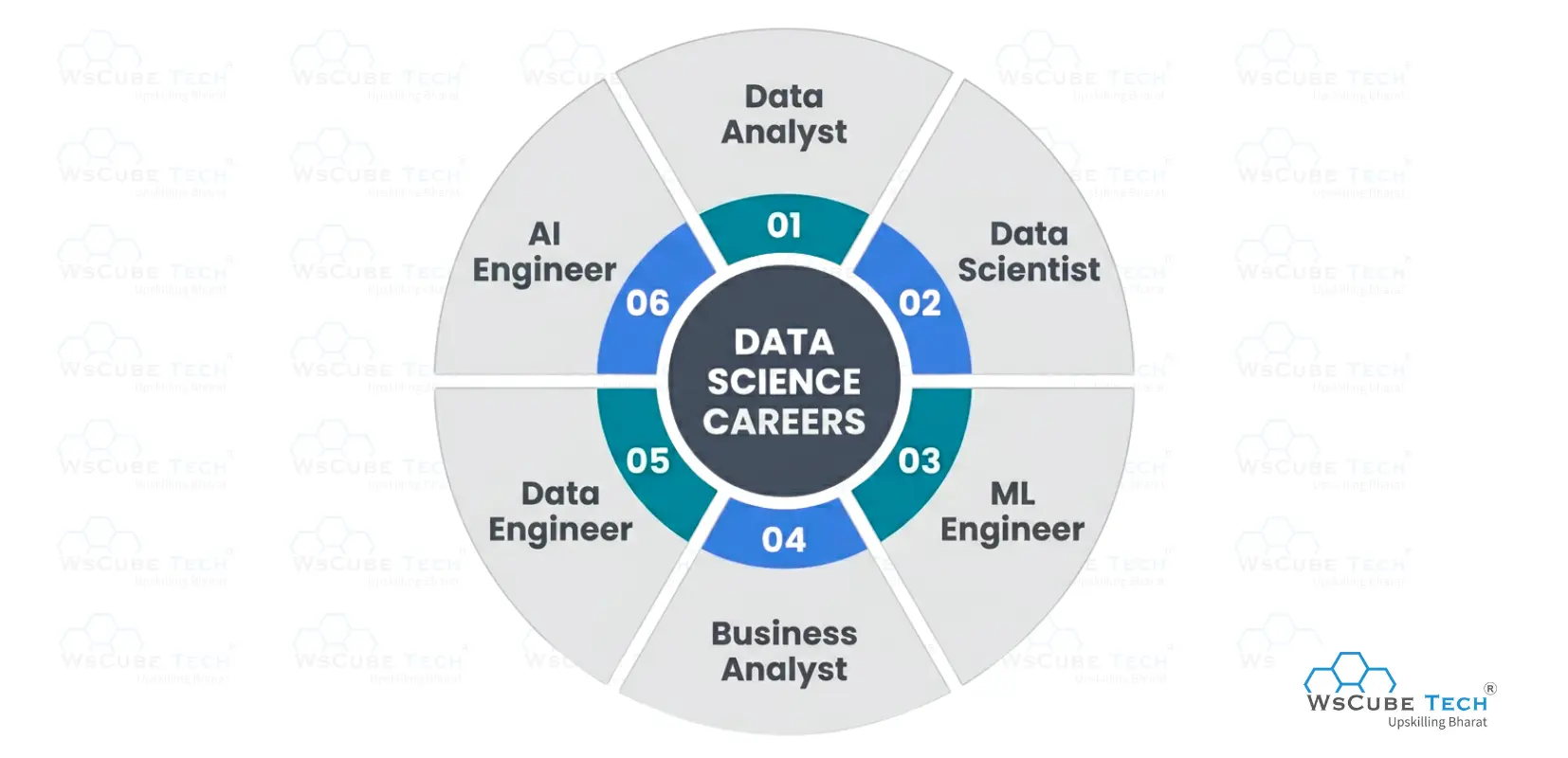
Data science offers many career paths across industries with high demand, strong growth, and excellent opportunities for skilled professionals worldwide. Below are the opportunities:
- Data Scientist: Analyzes large datasets, builds predictive models, and extracts meaningful insights to support decision-making, improve business performance, and solve complex real-world problems effectively.
- Data Analyst: Collects, processes, and analyzes data to identify trends and patterns. Creates reports and interactive dashboards that help organizations understand insights, support decision-making, and improve overall business strategies and performance effectively.
- Machine Learning Engineer: Designs, builds, and deploys machine learning models. Focuses on improving model accuracy, optimizing performance, and creating systems that can learn automatically from data.
- Business Analyst: Uses data to understand business requirements, identify issues, and suggest solutions. Connects data insights with business strategies to improve efficiency and overall performance.
- Data Engineer: Builds and manages data pipelines and infrastructure. Ensures smooth data flow, proper storage, and efficient processing to support analytics and machine learning systems.
- AI Engineer: Develops intelligent systems using machine learning and deep learning techniques. Works on applications like chatbots, recommendation systems, and automation tools for various industries.
Salary of Data Scientists in India
Below is the table shows salary of data scientists in India based on experience level:
| Experience Level | Average Salary (Per Year) |
| 0–1 years | ₹5.5 LPA – ₹10 LPA |
| 1–3 years | ₹7 LPA – ₹15 LPA |
| 4–6 years | ₹12 LPA – ₹22 LPA |
| 7–9 years | ₹18 LPA – ₹35 LPA |
| 10–14 years | ₹30 LPA – ₹60 LPA |
| 15+ years | ₹45 LPA – ₹1.2 Cr |
Note: Salaries may vary depending on skills, company, and expertise in tools like Python, machine learning, and data analysis.
Explore Our Data Related Courses
| Online Data Analytics Course | Live Internship + 100% Job Support |
| Online Business Analytics Course | Live Internship + 100% Job Support |
| Online Data Science Course | Live Internship + 100% Job Support |
FAQs About Learning Data Science
Data science is a field that involves collecting, analyzing, and interpreting data to extract useful insights. It combines programming, statistics, and domain knowledge to solve real-world problems.
Start with programming basics like Python, then learn statistics and data analysis. Gradually move to data visualization and machine learning, and practice with real-world projects to build strong understanding and practical skills.
Start learning data science from scratch by first mastering Python and basic statistics, then move to data analysis tools, practice with real datasets, learn machine learning concepts, and build small projects regularly to gain hands-on experience.
Yes, beginners can learn data science with consistent effort and the right approach. Starting with the basics and practicing regularly helps build strong skills and gradually understand advanced concepts.
It usually takes 6 to 12 months to learn data science basics with regular practice. The duration depends on your background, learning speed, and the time you dedicate daily.
Start by learning Python basics like variables, loops, and functions. Then explore libraries like Pandas, NumPy, and Matplotlib to perform data analysis and visualization effectively.
You can learn data science at home using online courses, YouTube tutorials, and practice datasets. Create a study schedule, stay consistent, and work on projects to improve skills.
Use free online platforms, tutorials, and open-source resources to learn data science. Practice using free datasets and tools like Google Colab to gain hands-on experience without spending money.
Follow a structured roadmap, focus on important concepts, and practice regularly. Work on real projects and avoid unnecessary topics to speed up your learning process effectively.
You need programming skills, basic statistics, data analysis, and problem-solving abilities. Learning visualization tools and understanding machine learning concepts also helps in becoming proficient.
Basic coding knowledge is important for data science. However, beginners can start without experience and gradually learn programming alongside other concepts with practice and guidance.
Yes, data science is a great career option in 2026 due to high demand, strong salary growth, and increasing use of data-driven decisions across industries like healthcare, finance, e-commerce, and technology.
The average salary for a data scientist in India is ₹12,06,327 per year. It may vary based on experience, skills, location, and the company you work for.
Build strong fundamentals, work on real-world projects, and create a portfolio. Practice problem-solving, learn relevant tools, and prepare for interviews to become job-ready in data science.

Conclusion
Learning data science may seem challenging at the beginning, but with the right roadmap and consistent practice, anyone can build strong skills. Start with the basics, focus on practical learning, and gradually move to advanced topics like machine learning.
By working on real-world projects and staying consistent, you can become job-ready and build a successful career in this growing field.
Explore Our Free Tech Tutorials
| Python Tutorial | Java Tutorial | JavaScript Tutorial |
| C Tutorial | C++ Tutorial | HTML Tutorial |
| CSS Tutorial | SQL Tutorial | DSA Tutorial |
Practice Coding With Our Free Compilers
| Online Python Compiler | Online HTML Compiler | Online C Compiler |
| Online C++ Compiler | Online JS Compiler | Online Java Compiler |
Join Our On-Campus Data Science Program
Explore Our Free Courses






Leave a comment
Your email address will not be published. Required fields are marked *Comments (0)
No comments yet.