
In 2026, creating quality videos alone is not enough to succeed on YouTube. With rising competition and changing algorithms, creators must focus on smart YouTube SEO to improve rankings, increase visibility, and reach the right audience. From optimized titles and thumbnails to audience retention and engagement, every factor impacts video performance.
Understanding YouTube SEO optimization helps creators boost views, grow subscribers, and build long-term channel authority organically. In this complete guide, you’ll learn the latest ranking factors, algorithm updates, and proven techniques to rank videos higher and grow faster in 2026.
What Is YouTube SEO?
YouTube SEO is the process of optimizing videos, titles, descriptions, tags, thumbnails, and engagement signals to improve rankings on YouTube for search results and recommendations. Effective YouTube SEO helps creators increase visibility, attract targeted viewers, and grow channel performance organically over time.
Strong YouTube video SEO focuses on audience retention, keyword optimization, watch time, click-through rate, and user engagement. By understanding YouTube’s algorithm and viewer behavior, creators can consistently rank higher, gain subscribers, and drive more traffic to their content.
Key Takeaways:
- YouTube SEO improves video visibility and search rankings.
- Keywords, titles, and thumbnails play a major role.
- Watch time and audience retention impact performance.
- Engagement signals help videos reach wider audiences.
- Consistent optimization supports long-term channel growth.
How the YouTube Algorithm Works (2026 Overview)
The YouTube algorithm in 2026 focuses on user satisfaction, watch behavior, engagement, and personalization to recommend relevant videos and improve overall viewing experience. Now, it’s time to know the complete process of how the YouTube algorithm works:
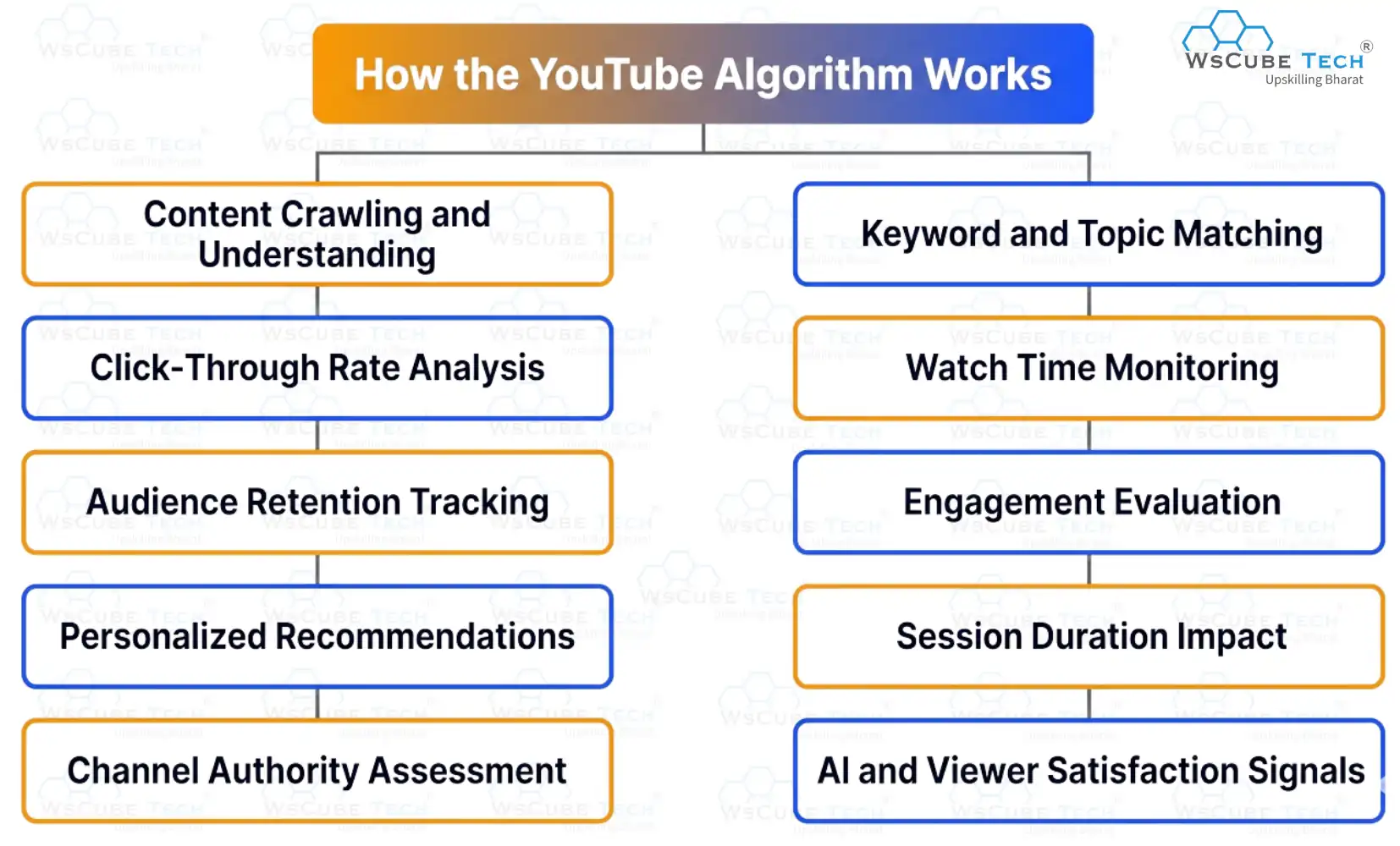
1. Content Crawling & Understanding
YouTube scans video titles, descriptions, captions, tags, and thumbnails to understand content relevance. A reliable YouTube SEO tool helps creators optimize these elements effectively.
2. Keyword & Topic Matching
The algorithm matches user search intent with video keywords, topics, and viewer interests to deliver the most relevant search and recommendation results.
3. Click-Through Rate (CTR) Analysis
YouTube tracks how many users click on a video after seeing its thumbnail and title. Higher CTR signals strong audience interest and relevance.
4. Watch Time Monitoring
Videos with longer watch duration perform better because YouTube prioritizes content that keeps viewers engaged on the platform for extended periods.
5. Audience Retention Tracking
The algorithm measures how much video viewers watch. High retention rates indicate valuable content and improve recommendation opportunities significantly.
6. Engagement Evaluation
Likes, comments, shares, subscriptions, and saves help YouTube understand audience satisfaction and determine whether content deserves wider visibility.
7. Personalized Recommendations
YouTube analyzes viewing history, subscriptions, search behavior, and interests to recommend personalized videos on the homepage and suggested feed.
8. Session Duration Impact
The platform rewards videos that encourage users to continue watching additional content, increasing total platform session time, and engagement.
9. Channel Authority Assessment
Channels that consistently publish quality content within a niche build topical authority, improving discoverability and long-term growth opportunities through YouTube SEO optimization strategies.
10. AI & Viewer Satisfaction Signals
In 2026, YouTube’s AI prioritizes viewer satisfaction metrics, including feedback surveys, content relevance, authenticity, and overall user experience before recommending videos widely.
Why YouTube SEO Matters?
YouTube SEO helps videos rank higher, reach targeted audiences, improve engagement, and increase organic growth. In 2026, smart optimization is essential for long-term channel success. So, it’s time to consider the key highlights that prove why YouTube SEO matters in 2026:
- Improves video visibility in YouTube and Google search results.
- Helps creators attract targeted and relevant audiences consistently.
- Increases watch time, engagement, and subscriber growth naturally.
- Supports better ranking opportunities through strong YT SEO strategies.
- Enhances click through rates using optimized titles and thumbnails.
- Build channel authority and niche credibility over time.
- Helps creators understand audience behavior and content preferences.
- Improves recommendations on homepage and suggested videos.
- Drives long-term organic traffic without relying completely on ads.
- Learning how to do YouTube SEO helps creators stay competitive in the evolving creator economy of 2026.
Recommended Professional Certificates
AI-Powered Digital Marketing Course
Performance Marketing Bootcamp
SEO Specialist Bootcamp
Possible YouTube SEO Ranking Factors
Understanding ranking factors helps creators improve visibility, engagement, and search performance. Effective YouTube SEO Optimization increases discoverability and supports long-term channel growth in competitive niches.
1. Watch Time
Longer watch time signals valuable content to YouTube’s algorithm. Strong audience retention improves rankings and boosts overall performance through effective YouTube SEO strategies consistently.
2. Click-Through Rate (CTR)
Compelling thumbnails and titles increase clicks on videos. Higher CTR tells the algorithm users find content attractive, improving visibility and overall YouTube SEO performance.
3. Audience Retention
YouTube tracks how long viewers stay engaged during videos. Higher retention rates indicate quality content and positively influence rankings through better YouTube SEO signals.
4. Video Engagement
Likes, comments, shares, and subscriptions show audience interaction and satisfaction. Strong engagement metrics help videos gain recommendations and improve overall YouTube SEO effectiveness.
5. Keyword Optimization
Using relevant keywords in titles, descriptions, and tags helps YouTube understand video topics clearly, increasing search visibility, and strengthening overall YouTube SEO performance.
6. Upload Consistency
Channels uploading content regularly builds audience trust and topical authority. Consistent publishing schedules improve discoverability and long-term growth through stronger YouTube SEO practices.
7. Session Duration
Videos encouraging viewers to continue watching more content increase total platform session time. This positively impacts recommendations and enhances overall YouTube SEO rankings significantly.
How to Optimize a YouTube Video for SEO?
Using the right tools helps creators improve video rankings, analyze channel performance, optimize content, and increase visibility through effective YouTube video SEO strategies. These tools make it easier to discover keywords, track performance, understand audience behavior, and grow your channel consistently. Now, let’s explore the best tools and resources for YouTube SEO.
1. Keyword Research & Selection
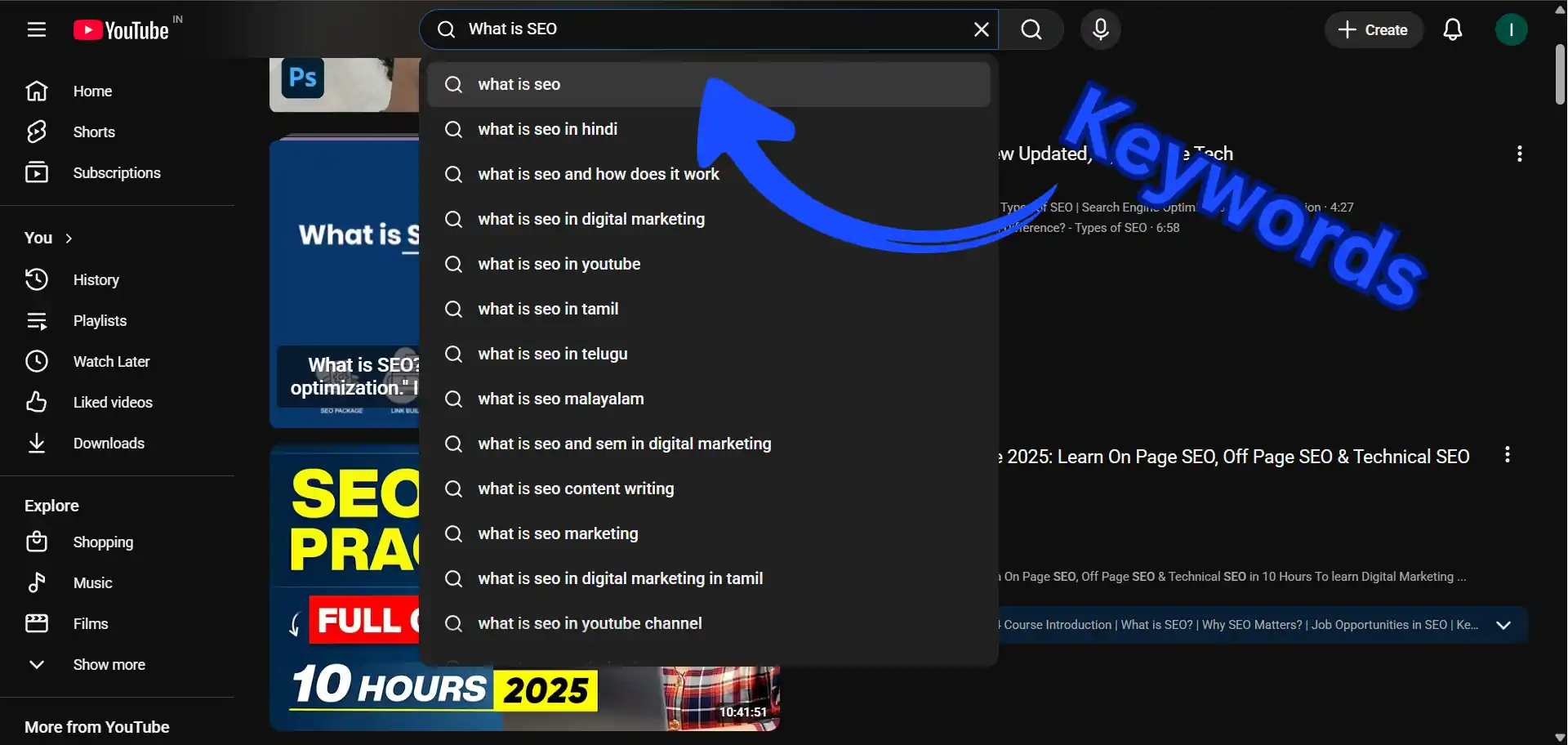
Identify relevant keywords using search intent analysis tools, focusing on audience queries, competition level, and trending topics to strengthen YouTube SEO optimization for better ranking results.
2. Title Optimization
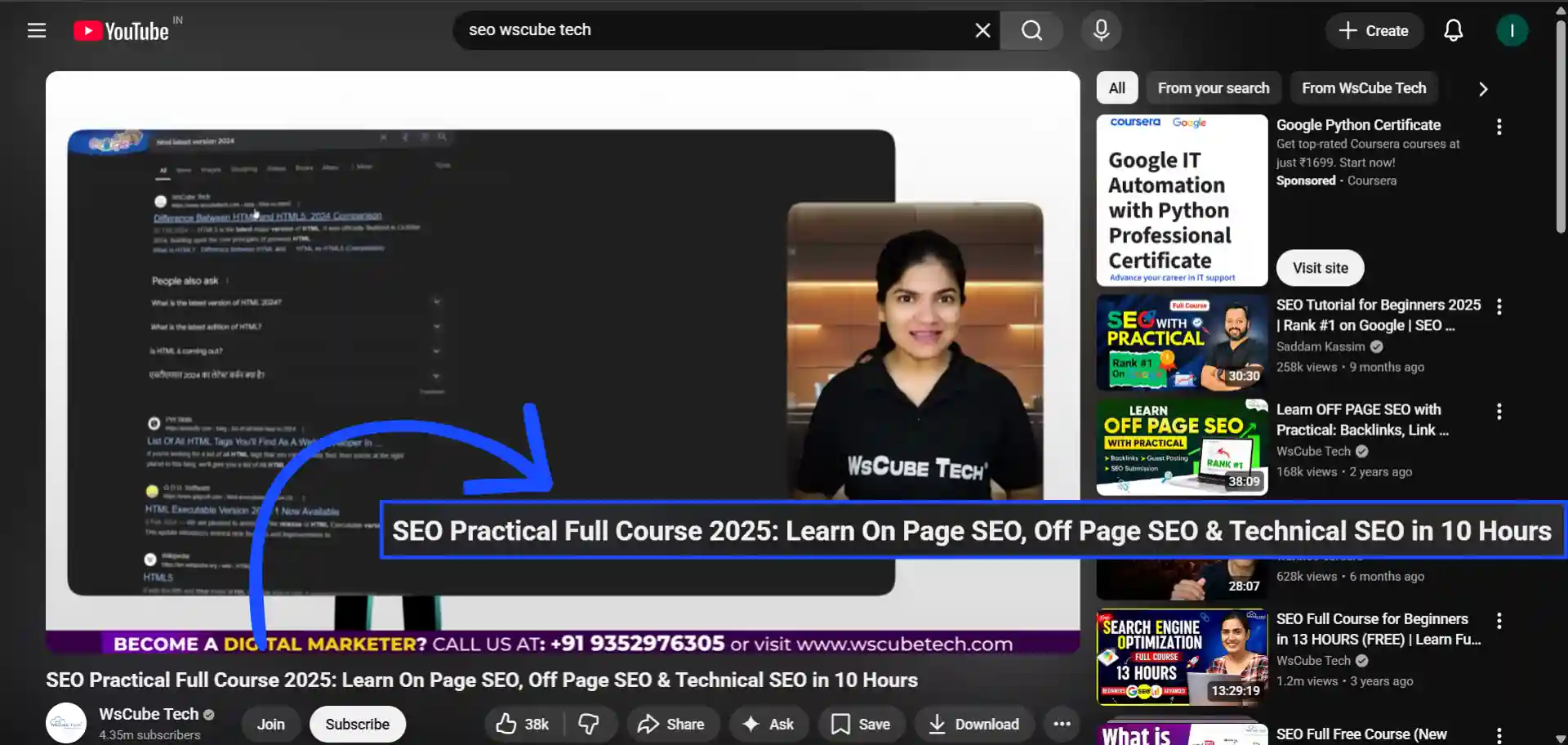
Create compelling, keyword-rich titles that attract clicks, clearly describe content, include target phrases naturally, and improve visibility across search results and recommendations effectively performance metrics.
3. Description & Tags Optimization
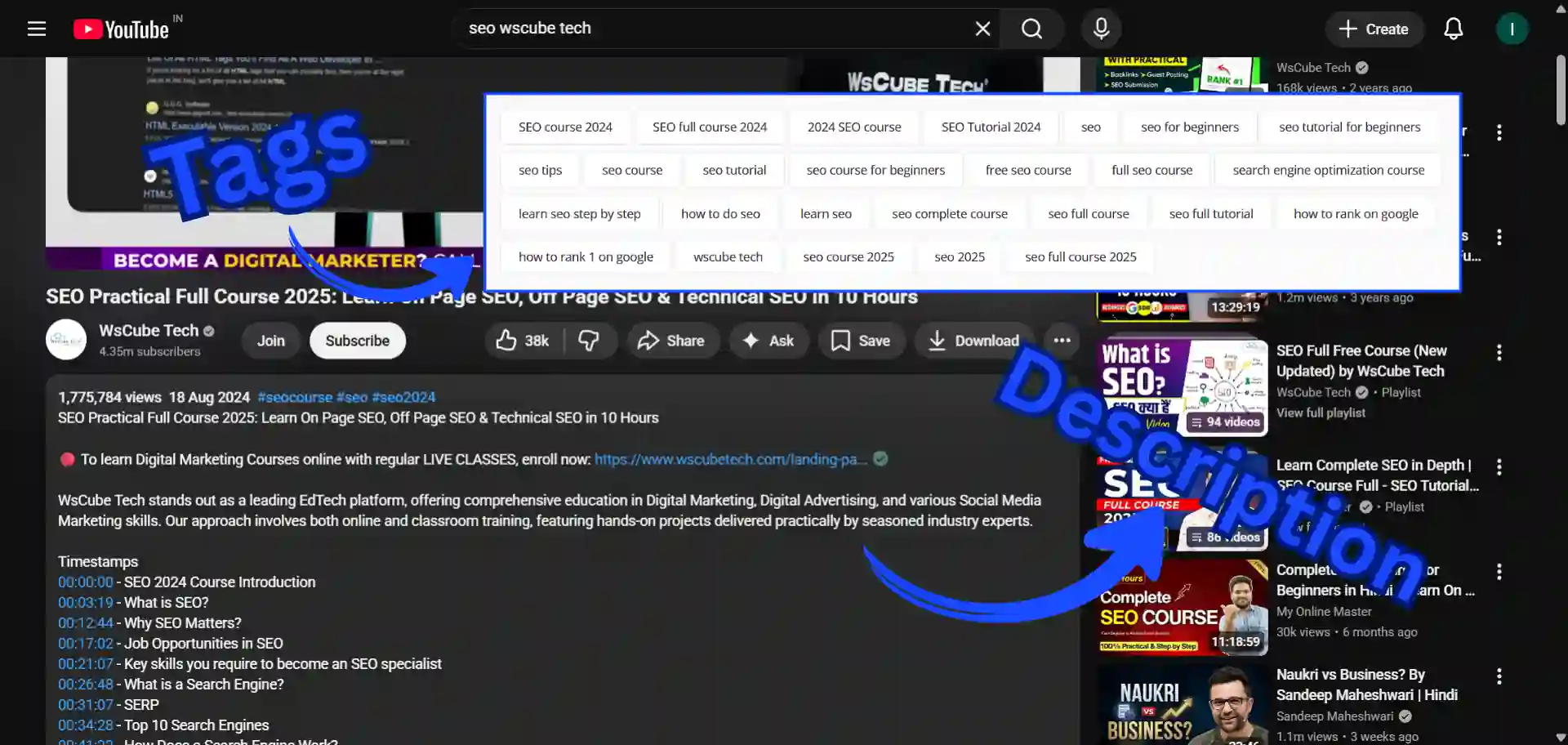
Write detailed video descriptions with primary keywords, timestamps, and context, while adding relevant tags that help YouTube understand content topics and improve discoverability ranking potential.
4. Thumbnail Optimization
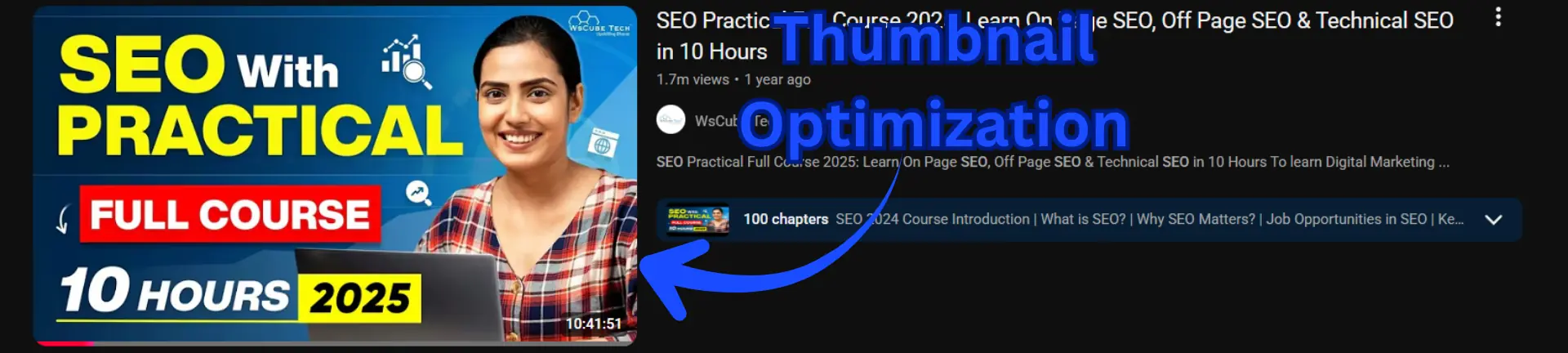
Design eye-catching thumbnails with clear visuals, readable text, and emotional appeal to increase click-through rate, boosting performance and supporting YouTube SEO optimization results significantly higher.
5. Retention & Watch Time
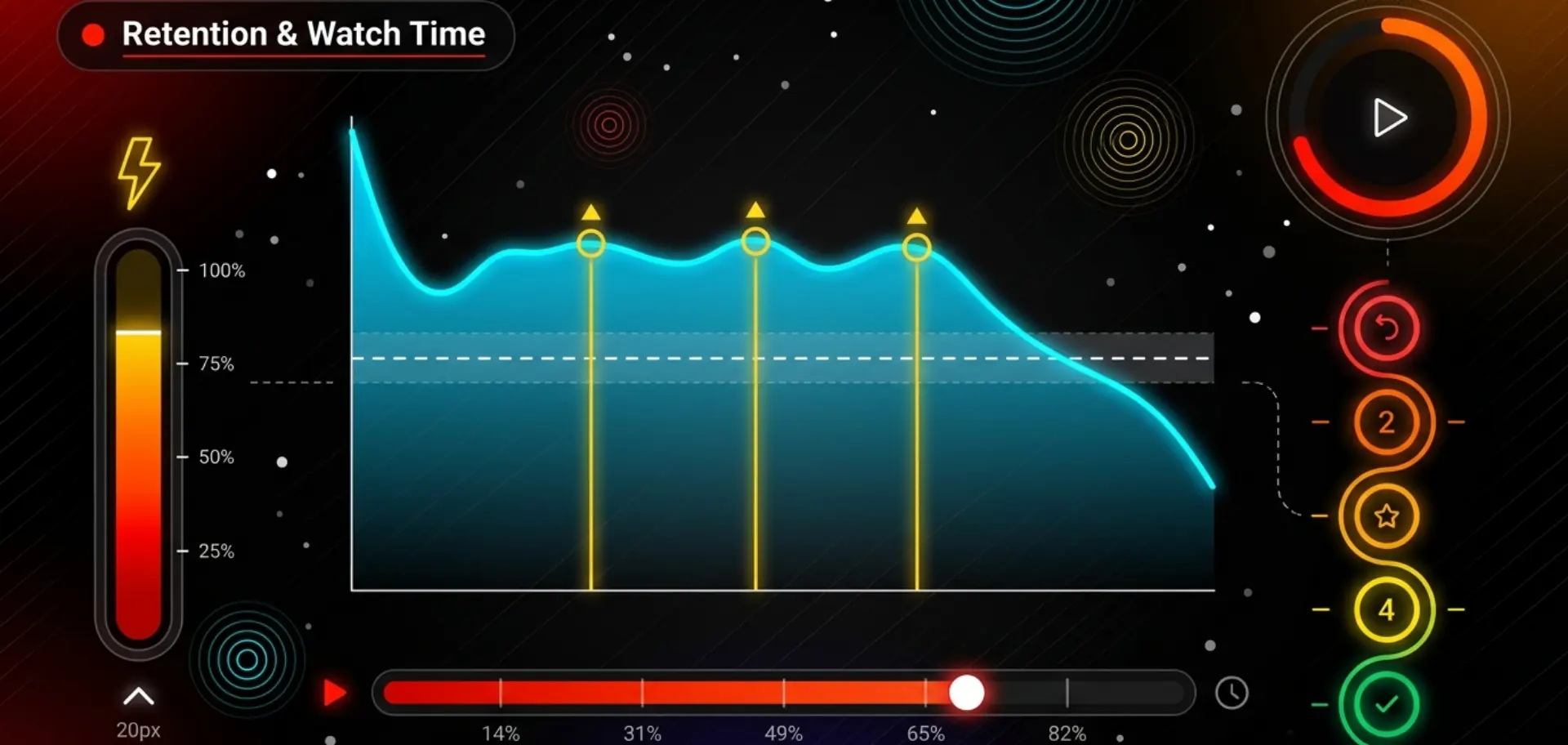
Focus on engaging storytelling, strong hooks, and structured content flow to keep viewers watching longer, improving retention and overall video performance metrics YouTube SEO optimization.
6. Engagement Optimization
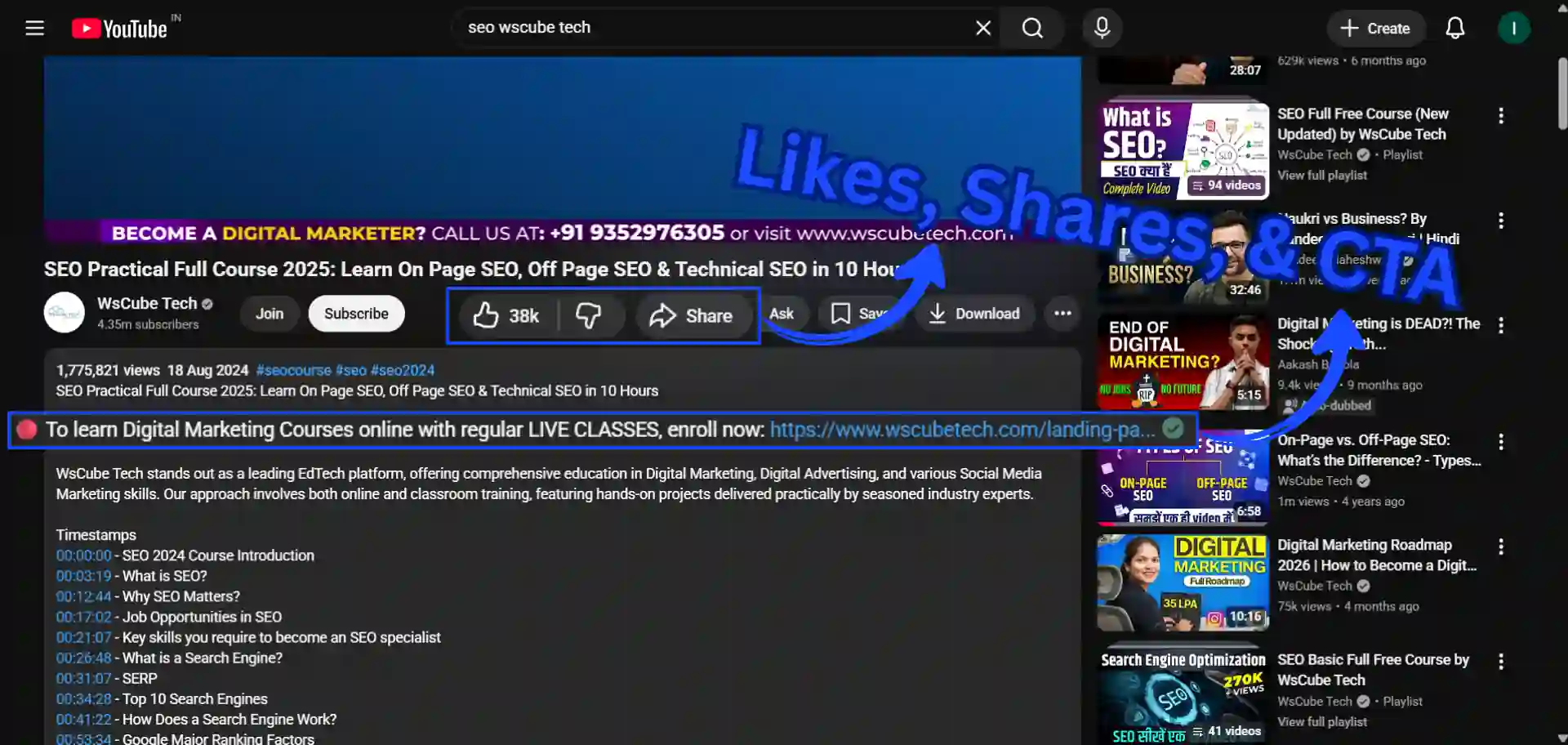
Encourage likes, comments, shares, and subscriptions through clear calls-to-action, boosting engagement signals that help videos perform better in YouTube algorithm rankings strategy implementation guide tips.
Suggested Reading: Meta Title and Description Character Limit
YouTube SEO Basics: Channel-Level Optimization
YouTube SEO at the channel level focuses on optimizing your entire channel to improve visibility, trust, and ranking across YouTube search results. Strong YouTube search engine optimization ensures your channel is easily discoverable, while effective YouTube SEO helps build authority and attract consistent viewers over time.
Channel-level optimization is not just about individual videos but about creating a strong foundation that supports long-term growth.
- Channel Name & Branding: Choose a clear, keyword-relevant channel name and consistent branding (logo, banner, and theme) so viewers instantly understand your niche and content focus.
- Channel Description Optimization: Write a detailed, keyword-rich description explaining your channel purpose, content type, and value. Include primary keywords for better search visibility.
- Channel Keywords Setup: Add relevant keywords in YouTube Studio settings to help the platform understand your niche and improve ranking in search results and suggested videos.
- Content Consistency Strategy: Upload videos regularly within a specific niche to build authority. Consistency signal's reliability to both viewers and YouTube’s recommendation system.
- Playlist Optimization: Organize videos into SEO-friendly playlists with relevant titles and descriptions. This improves watch time and helps users find related content easily.
- Channel Trailer Optimization: Create a short, engaging trailer that introduces your channel purpose, builds trust, and encourages new visitors to subscribe immediately.
- Engagement & Community Building: Use community posts, replies, and calls-to-action to increase engagement. Strong interaction signals improve rankings and strengthen overall channel performance.
By focusing on these fundamentals, creators can improve visibility, strengthen authority, and maximize growth through effective YT SEO strategies.
Upcoming Masterclass
Attend our live classes led by experienced and desiccated instructors of Wscube Tech.




YouTube SEO Checklist (2026 Edition)
A well-structured YouTube SEO checklist helps creators optimize videos for improved visibility, stronger rankings, and higher audience engagement. Following effective optimization strategies consistently support channel growth, boosts discoverability, and drives long-term organic traffic success in 2026.
1. Keyword Research
Identify high-ranking keywords using audience intent, trends, and competition analysis before creating content.
2. Title Optimization
Create clear, engaging, and keyword-rich titles that improve click-through rate and search visibility.
3. Description Optimization
Write detailed descriptions with primary keywords, timestamps, and context to help YouTube understand your video.
4. Thumbnail Design
Use high-quality, eye-catching thumbnails with readable text and strong visual contrast to attract clicks.
5. Tags & Metadata
Add relevant tags, categories, and metadata to improve discoverability and ranking signals.
6. Video Engagement Strategy
Encourage likes, comments, shares, and subscriptions to boost engagement and algorithm performance.
7. Watch Time Optimization
Focus on storytelling, hooks, and pacing to keep viewers watching longer and improve retention of metrics.
8. Playlist Optimization
Organize videos into SEO-friendly playlists to increase session duration and overall channel authority.
9. Subtitles & Captions
Add accurate captions to improve accessibility, global reach, and keyword indexing.
10. Channel Optimization
Ensure consistent branding, niche focus, and updated channel information for stronger authority and trust.
Also Read: Is SEO a Good Career? Complete Guide
Advanced YouTube SEO
Advanced strategies help creators improve rankings, engagement, and discoverability by mastering audience behavior, analytics, and content performance. Strong SEO in YouTube drives sustainable growth effectively.
1. Audience Retention Optimization
Use powerful hooks, pattern interruptions, and storytelling techniques to keep viewers engaged longer, improving retention signals that strengthen overall video performance and ranking potential significantly.
2. Search Intent Mapping
Create videos based on audience intent categories like informational, transactional, or trending searches to improve relevance and increase visibility across YouTube recommendations consistently online.
3. Thumbnail A/B Testing
Regularly test different thumbnail styles, text placements, and emotional triggers to improve click-through rates and maximize audience engagement across competitive video categories effectively online.
4. Topic Cluster Strategy
Publish interconnected videos around one niche topic to build authority, improve session duration, and strengthen channel relevance within YouTube’s recommendation system algorithms consistently over time.
5. Multi-Language Optimization
Add translated subtitles, titles, and descriptions to reach international audiences, increase discoverability, and improve overall watch time from global viewers across multiple regions successfully.
6. Analytics-Based Content Decisions
Use YouTube Analytics to track retention drops, CTR, and engagement metrics, helping creators improve future content strategy and increase overall audience satisfaction continuously online.
7. Community & Engagement Signals
Actively respond to comments, create polls, and engage audiences through community posts to improve interaction signals that positively influence YouTube algorithm recommendations regularly online.
8. SEO Performance Monitoring
Track rankings, engagement metrics, and audience behavior regularly to improve content strategy and maintain a higher YouTube SEO score for long-term channel growth success.
Explore More on Related Guides
Difference Between YouTube SEO and Google SEO
Both YouTube and Google use algorithms to rank content, but their ranking signals, user behavior, and optimization methods differ significantly. Understanding YouTube SEO helps creators optimize videos, while SEO for YouTube strategies differ greatly from traditional website-focused Google SEO practices.
| Factor | YouTube SEO | Google SEO |
| Platform Focus | Optimizes video content for YouTube search and recommendations. | Optimizes websites and webpages for Google search results. |
| Main Content Type | Videos, Shorts, livestreams, and playlists. | Blogs, webpages, landing pages, and articles. |
| Ranking Signals | Watch time, retention, CTR, engagement, and session duration. | Backlinks, content quality, page speed, and authority. |
| User Intent | Focuses heavily on entertainment, tutorials, and visual learning. | Covers informational, transactional, and navigational searches broadly. |
| Keyword Placement | Keywords used in titles, descriptions, tags, and captions. | Keywords placed in headings, URLs, metadata, and content. |
| Click-Through Factors | Thumbnails and video titles strongly affect CTR. | Meta titles and meta descriptions influence CTR. |
| Engagement Metrics | Likes, comments, shares, and subscriptions impact rankings. | Bounce rate, dwell time, and user experience matter more. |
| Content Length Impact | Longer watch time improves rankings significantly. | Content depth and relevance affect rankings differently. |
| Recommendation System | Suggested videos and homepage recommendations are major traffic sources. | Organic search results are primary traffic drivers. |
| SEO Goal | Increase video visibility, views, and subscriber growth. | Increase website traffic, leads, and conversions. |
| Optimization Tools | TubeBuddy, VidIQ, and YouTube Analytics commonly used. | Google Search Console, Ahrefs, and SEMrush are widely used. |
| Algorithm Priority | Viewer satisfaction and engagement are top priorities. | Relevance, authority, and technical optimization dominate rankings. |
| Content Discovery | Users often discover content through recommendations. | Users mainly discover content through search queries. |
| Indexing Method | Videos indexed through metadata, captions, and engagement signals. | Pages indexed through crawlers, sitemaps, and structured data. |
| Performance Metrics | Watch hours, audience retention, and subscribers tracked. | Organic traffic, rankings, backlinks, and conversions measured. |
Suggested Reading: How to Become SEO Freelancer? Beginner's Guide
Advanced YouTube SEO Strategies
Advanced YouTube strategies help creators increase rankings, engagement, and discoverability through smarter optimization, audience targeting, and data-driven content planning techniques online.
1. Optimize Audience Retention
Create engaging introductions and structured storytelling to keep viewers watching longer, improving overall video performance and recommendation opportunities consistently online.
2. Use Search Intent Keywords
Target audience focused keywords matching user intent to improve discoverability, search rankings, and content relevance across competitive niches effectively online.
3. Improve Thumbnail CTR
Design visually appealing thumbnails with emotional triggers, readable text, and branding elements to attract clicks and increase viewer engagement naturally.
4. Build Topic Authority
Publish related videos around one niche consistently to strengthen authority, improve recommendations, and increase audience trust over time significantly online.
5. Optimize Video Chapters
Add timestamps and chapters for better user navigation, increased watch experience, and improved indexing across YouTube search results effectively online.
6. Encourage Community Interaction
Reply to comments, create polls, and engage audiences regularly to improve engagement signals and strengthen channel visibility within YouTube algorithms.
7. Use Analytics Strategically
Track watch time, CTR, and audience retention metrics to understand viewer behavior and improve future content performance consistently online effectively.
8. Create Playlist Funnels
Organize related videos into playlists that guide viewers toward more content, increasing session duration, and improving overall channel growth significantly online.
9. Leverage Shorts for Reach
Use Shorts strategically to attract new audiences, improve discoverability, and drive viewers toward long-form content for better engagement overall online.
10. Focus on SEO Performance
Understanding how to improve YouTube SEO helps creators refine metadata, engagement strategies, and YouTube SEO performance for sustainable long-term channel growth online.
Explore Our Most Popular Marketing Courses
Tools & Resources for YouTube SEO
Using the right tools helps creators improve rankings, analyze performance, optimize content, and grow visibility through effective YouTube SEO consistently online. Now get ready to know the tools and resources for YT SEO.
1. Keyword Research Tools
- TubeBuddy
TubeBuddy helps creators find keywords using its YouTube keyword research tool, optimize metadata, track rankings, and improve overall video performance with advanced SEO features.
- VidIQ
Provides keyword insights, competitor analysis, trend tracking, and optimization suggestions for stronger YouTube visibility.
- Google Trends
Identifies trending topics and search behavior, helping creators discover high-demand content opportunities for better audience targeting.
2. Analytics & Performance Tracking Tools
- YouTube Analytics
Tracks watch time, audience retention, CTR, demographics, and engagement to improve content strategy and performance decisions.
- Google Analytics
Monitors external traffic sources, website visits, and user behavior connected to your YouTube content and marketing efforts.
3. Thumbnail & Design Tools
- Canva
Creates professional thumbnails, banners, and graphics using easy drag-and-drop design templates for higher click-through rates.
- Adobe Express
Helps creators design visually appealing thumbnails and branded graphics for better engagement and improved audience attraction.
4. Content Optimization Resources
- ChatGPT
Assists with video ideas, titles, descriptions, tags, scripts, and keyword-focused content planning for stronger SEO for YouTube channel growth.
- AnswerThePublic
Finds audience questions and trending queries that help creators produce relevant and searchable video topics consistently online.
5. Competitor Research Tools
- Ahrefs
Analyzes competitor keywords, traffic trends, and ranking opportunities useful for advanced YouTube content strategies.
- SEMrush
Provides keyword research, competitor insights, and content optimization data to strengthen overall YouTube video SEO performance effectively.
6. Learning Resources & Communities
- YouTube Creator Academy
Offers official tutorials, best practices, and educational resources directly from YouTube for creators at every experience level.
- Reddit & Creator Communities
Useful for discovering algorithm updates, strategy discussions, and practical growth tips shared by experienced creators regularly.
Must Read: What is Mobile SEO? Full Guide
Common YouTube SEO Mistakes to Avoid
Avoiding common SEO mistakes helps creators improve rankings, engagement, visibility, and long-term growth across competitive YouTube content categories effectively online.
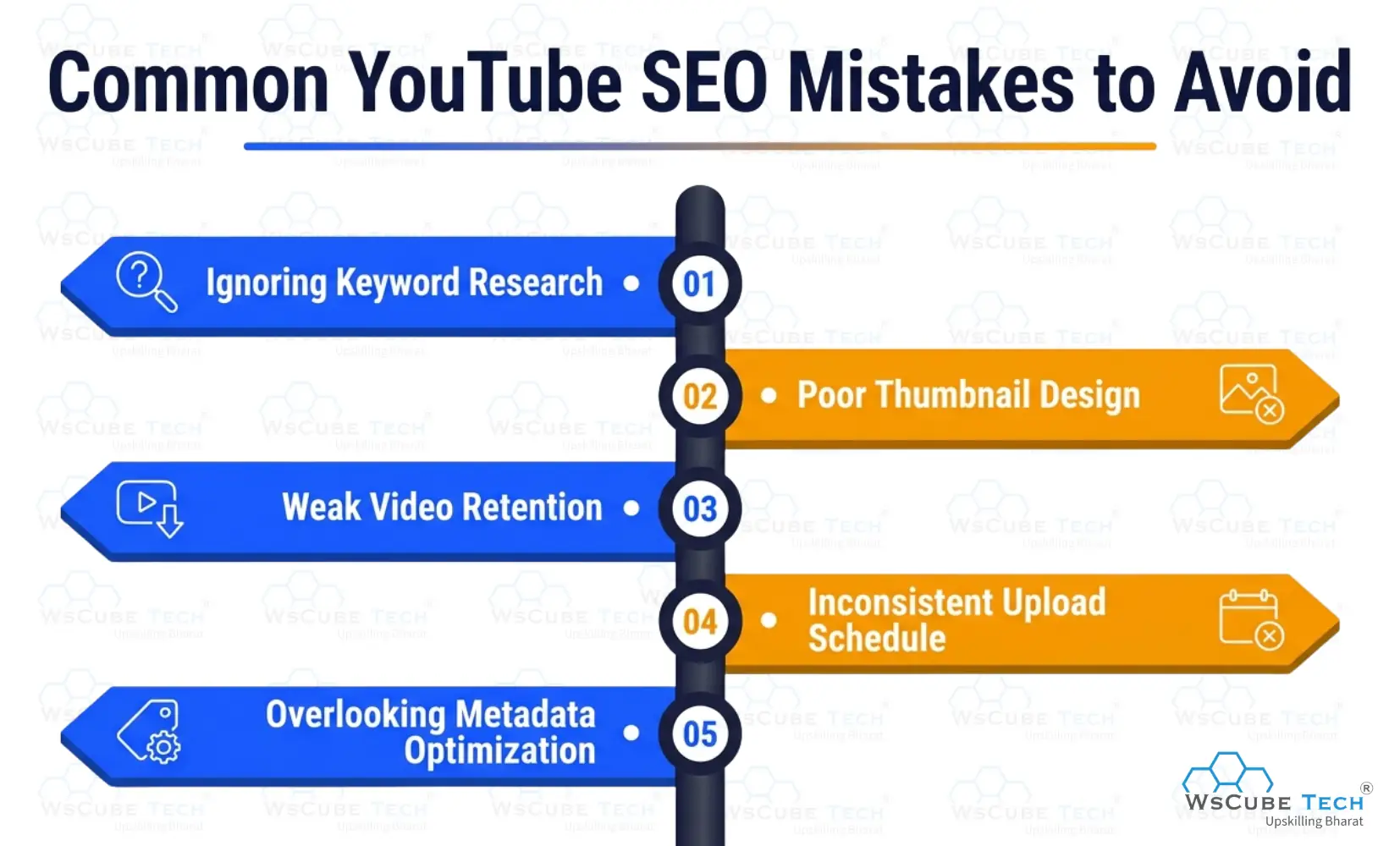
1. Ignoring Keyword Research
Uploading videos without proper keyword research reduces discoverability and weakens overall search engine optimization on YouTube performance significantly online today.
2. Poor Thumbnail Design
Using low-quality or unclear thumbnails decreases click-through rates, limiting visibility, audience engagement, and overall video growth opportunities across YouTube consistently.
3. Weak Video Retention
Creating slow introductions and unengaging content causes viewers to leave early, negatively impacting retention rates and recommendation opportunities significantly online.
4. Inconsistent Upload Schedule
Irregular posting patterns reduce audience trust and weaken channel authority, making long-term growth and visibility more difficult for creators online consistently.
5. Overlooking Metadata Optimization
Ignoring titles, descriptions, captions, and tags limits discoverability, reducing overall YouTube Video SEO effectiveness and ranking opportunities across search results online consistently.
YouTube SEO: Video Guide
FAQs About YouTube SEO
YouTube SEO is the process of optimizing videos, metadata, and engagement signals to improve visibility, rankings, and audience reach online.
YouTube SEO helps creators increase discoverability, attract targeted viewers, improve engagement, and grow channels organically in competitive digital environments today.
Videos rank higher through strong watch time, audience retention, optimized metadata, engagement signals, and consistent content publishing strategies online today.
Popular tools include TubeBuddy, VidIQ, Google Trends, YouTube Analytics, Ahrefs, and SEMrush for optimization and performance tracking purposes online.
Beginners should focus on keyword research, engaging thumbnails, optimized titles, audience retention, and consistent uploads for better rankings online today.
Yes, higher watch time signals valuable content to YouTube, increasing recommendation chances and improving overall search visibility significantly online today.
SEO for YouTube channel growth involves optimizing branding, playlists, consistency, metadata, and audience engagement to improve authority and discoverability online.
Yes, attractive thumbnails improve click-through rates, helping videos gain more views, engagement, and stronger algorithm recommendations consistently online today.
Using keywords naturally, improving retention, optimizing thumbnails, encouraging engagement, and publishing consistently are effective YouTube SEO best practices today online.
YouTube SEO results depend on competition, consistency, engagement, and content quality, but noticeable growth usually appears gradually over several months online.

Conclusion
In 2026, succeeding on YouTube requires more than just uploading quality videos. Creators must understand algorithms, audience behavior, engagement signals, and optimization techniques to stay competitive and improve visibility consistently. From keyword research and thumbnails to watch time and retention, every strategy plays a major role in long-term channel growth.
By applying the right YouTube Video SEO techniques, creators can increase rankings, attract targeted viewers, and build a strong channel presence organically. Consistent optimization, audience-focused content, and data-driven decisions are the keys to achieving sustainable success on YouTube in 2026 and beyond.
Join Our On-Campus Digital Marketing Program
Explore Our Free Courses





Leave a comment
Your email address will not be published. Required fields are marked *Comments (0)
No comments yet.