
If you are planning to build a career in data science, understanding the course syllabus is the first step. A strong syllabus is designed to match industry needs and help you learn the right skills.
From data analysis and visualization to machine learning and real-world projects, each subject is important for your growth. In this article, we will break down the complete data science course syllabus and subjects to help you make the right decision.
What is Data Science?
Data science is the process of collecting, organizing, analyzing, and interpreting data to extract meaningful insights and support better decision-making. It combines statistics, programming, machine learning, and domain knowledge to solve real-world problems in fields such as healthcare, finance, marketing, and technology. Below are the key aspects of data science:
- Data Collection: Gathering raw data from different sources such as databases, websites, apps, and sensors.
- Data Cleaning: Removing errors, duplicates, and missing values to make the data accurate and usable.
- Data Analysis: Examining data to identify patterns, trends, and useful insights.
- Machine Learning: Using algorithms and models to make predictions and automate decisions.
- Data Visualization: Presenting data through charts, graphs, and dashboards for easy understanding.
- Decision-Making: Helping businesses and organizations make data-driven decisions.
Also Read: Data Scientist Roadmap: A Guide for Beginners
Data Science Course Subjects and Topics
The data science course includes essential subjects and topics that help you build strong analytical, programming, and problem-solving skills. Below are the important data science course subjects to learn:
1. Programming Languages
Programming languages are the foundation of data science and are essential for data analysis, model building, automation, and visualization. They help you work with large datasets, perform calculations, and develop machine learning models efficiently. Learning programming is important for developing strong practical and problem-solving skills in data science.
Important programming languages used in data science:
- Python: Python is the most popular programming language in data science due to its simple syntax, powerful libraries, and strong support for data analysis, machine learning, and visualization.
- R: R is widely used for statistical analysis, data visualization, and research-based data science tasks. It is especially useful for handling complex statistical computations and graphical representations.
2. Statistics and Probability
Statistics and probability are essential in data science for analyzing data, identifying patterns, and making accurate predictions. They help you understand data distribution, relationships, and uncertainty. These concepts are commonly used in machine learning, hypothesis testing, and data-driven decision-making processes.
Below are the important topics in statistics and probability to learn:
- Descriptive Statistics
- Probability Distributions
- Mean, Median, and Mode
- Variance and Standard Deviation
- Hypothesis Testing
- Correlation and Regression
- Bayes’ Theorem
- Probability Rules and Events
3. SQL and Database Management
SQL and Database Management is an important subject in data science that helps you efficiently store, organize, retrieve, and manage large volumes of structured data. It is widely used to query databases, filter records, join tables, and prepare data for analysis, reporting, and machine learning tasks in real-world projects.
Below are the important topics in SQL and Database Management:
- SQL Queries (SELECT, INSERT, UPDATE, DELETE)
- Joins and Subqueries
- Database Design
- Data Retrieval and Filtering
- Relational Databases (MySQL, PostgreSQL)
4. Data Cleaning and Preprocessing
Data cleaning and preprocessing is an essential part of data science that helps improve data quality before analysis or model building. It involves handling missing values, removing duplicates, correcting errors, and transforming raw data into a structured format. This step ensures accurate results, better insights, and improved machine learning model performance.
Below are the important topics in Data Cleaning and Preprocessing:
- Handling Missing Values
- Removing Duplicate Data
- Outlier Detection and Treatment
- Data Transformation
- Data Normalization and Standardization
- Encoding Categorical Data
- Feature Scaling
- Data Formatting and Validation
5. Data Analysis
Data analysis is a key part of data science that involves examining, cleaning, and transforming data to extract useful insights. It helps you identify patterns, trends, and relationships in data, which supports better decision-making and improves overall business performance.
Below are the important topics in data analysis:
- Exploratory Data Analysis (EDA)
- Trend Analysis
- Pattern Recognition
- Correlation Analysis
- Data Interpretation
- Reporting and Insights Generation
- Business Decision Analysis
6. Data Visualization
Data visualization is an important part of data science that helps you present data in a visual format like charts, graphs, and dashboards. It makes complex data easy to understand and helps identify patterns, trends, and insights quickly. Effective visualization improves communication and supports better decision-making in business and analysis tasks.
Below are the important topics in data visualization to learn:
- Bar Charts and Line Graphs
- Pie Charts and Histograms
- Scatter Plots
- Heatmaps
- Dashboards and Reports
- Data Storytelling
- Visualization Tools (Matplotlib, Tableau, Power BI)
7. Machine Learning
Machine learning is a core part of data science that allows systems to learn from data and make predictions or decisions without explicit programming. It helps identify patterns, automate tasks, and solve real-world problems such as building recommendation systems, detecting fraud, and analyzing customer behavior.
In data science, machine learning is commonly used to build predictive models, improve accuracy over time, and generate insights from large datasets. It plays an important role in modern applications across healthcare, finance, e-commerce, and many other industries.
Below are the important topics in machine learning:
- Supervised Learning
- Unsupervised Learning
- Regression Models
- Classification Algorithms
- Clustering Techniques
- Decision Trees and Random Forest
- Model Training and Testing
- Performance Evaluation Metrics
8. Deep Learning
Deep learning is an advanced part of machine learning that applies neural network models to process complex information and large datasets. It is widely used for tasks such as image recognition, speech processing, natural language understanding, and pattern detection. This technology helps you build smart systems that adapt by learning from data, improving their accuracy and performance over time.
Below are the important topics in deep learning:
- Artificial Neural Networks (ANN)
- Convolutional Neural Networks (CNN)
- Recurrent Neural Networks (RNN)
- Natural Language Processing Models
- Image and Speech Recognition
- Model Training and Optimization
- Activation Functions
- Backpropagation
9. Big Data Technologies
Big data technologies are used in data science to efficiently store, process, and analyze extremely large volumes of structured and unstructured data. They help handle complex datasets generated from multiple sources and support faster data processing, real-time analytics, and scalable solutions for business decision-making and machine learning applications.
Below are the important topics in big data technologies to learn:
- Hadoop
- Apache Spark
- Distributed Computing
- Data Storage Systems
- Real-Time Data Processing
- NoSQL Databases
- Data Pipelines
- Big Data Analytics
10. Data Mining
Data mining is an important process in data science that involves extracting useful patterns, trends, and hidden insights from large datasets. It helps identify relationships, predict outcomes, and support better decision-making by converting raw data into meaningful information for business and analytical purposes.
Below are the important topics in data mining:
- Pattern Recognition
- Association Rule Mining
- Classification
- Clustering
- Anomaly Detection
- Predictive Pattern Analysis
- Data Extraction Techniques
- Trend Discovery
11. Natural Language Processing (NLP)
Natural Language Processing (NLP) is an essential field in data science that helps computers understand, interpret, and generate human language. It is widely used in applications such as chatbots, sentiment analysis, language translation, speech recognition, and text summarization, enabling machines to process textual and spoken data more effectively and intelligently.
Below are the important topics in Natural Language Processing (NLP):
- Text Preprocessing
- Tokenization
- Sentiment Analysis
- Named Entity Recognition (NER)
- Language Modeling
- Text Classification
- Machine Translation
12. Cloud Computing
Cloud computing is an important part of data science that allows you to store, process, and analyze large volumes of data over the internet. It provides scalable resources, faster computing power, and easy access to tools and platforms for machine learning, data storage, and real-time analytics.
Below are the important topics in cloud computing:
- Cloud Storage
- Cloud Databases
- Virtual Machines
- Scalable Computing Resources
- Cloud Platforms (AWS, Azure, Google Cloud)
- Data Processing on Cloud
- Cloud Security
- Deployment and Hosting
13. Real-World Projects and Case Studies
Real-world projects and case studies are an essential part of a data science course because they help you apply theoretical concepts to practical business problems. By working on actual datasets, you learn how to collect data, clean it, analyze patterns, and build machine learning models to generate meaningful insights.
These projects improve your problem-solving skills, practical knowledge, and confidence in handling industry-level tasks. They also help you build a strong portfolio, which is highly valuable for internships, job applications, and career growth in the field of data science.
Recommended Professional Certificates
Data Analytics Course with Gen AI
Data Science Course with Internship & Placement Support
Data Science Syllabus (Degree-Wise)
Below is the degree-wise Data Science syllabus, covering the major subjects and topics commonly included in academic programs such as B.Sc, BCA, M.Sc, and M.Tech in Data Science:
M.Tech Data Science Syllabus
M.Tech Data Science is a 2-year postgraduate program divided into 4 semesters. The course includes advanced data science modules, subject core papers, electives, and dissertation work. It focuses on machine learning, deep learning, optimization, analytics, and research-based practical learning.
| Semester | Modules |
| Semester-I | - Computational Linear Algebra - Optimization Techniques for Data Science - Machine Learning - Data Structures and Algorithms for Data Science - SC-1 - Research Methodology - Career Competency – I |
| Semester-II | - Deep Learning - SC-2 - SC-3 - SC-4 - Elective 1 - Elective 2 - Career Competency – II |
| Semester-III | - Elective 3 - Elective 4 - Dissertation I |
| Semester-IV | - Dissertation II |
| List of Courses |
| Core Subjects - Computational Linear Algebra - Optimization Techniques for Data Science - Data Structures and Algorithms for Data Science - Machine Learning - Deep Learning |
| Subject Core (SC) |
| - Embedded Computing & Realtime OS for Data Science - Research Methodology - Introduction to Probabilistic Graphical Models - Scientific Computing - Text Mining and Analytics - Big Data Framework for Data Science - Statistical Modelling - Advanced Data Visualization and Analytics |
| Electives |
| - AI Applications for Power Systems - Deep Learning in Genomics and Biomedicine - Deep Learning for Biomedical Data Analysis - Deep Learning for Speech Signal Processing - Social Media Analytics - Deep Learning for Visual Recognition - Deep Learning for Cyber Security - Complex Systems in Engineering, Finance & Biology: Modelling & Analysis - High Performance Computing - Multiscale Fluid Modelling - Computer Vision - Reinforcement Learning - Blockchain Technology - Predictive Analytics for Internet of Things - Cloud Computing and Security in the Cloud |
BCA Data Science Syllabus
The BCA Data Science program is a 3-year undergraduate course divided into 6 semesters. It is designed to build strong technical knowledge and practical skills required for careers in data science and IT-related fields.
| Semester | Modules |
| Semester-I | - General English-I - Algebra, calculus and trigonometry - Computer fundamentals & organization - Programming in C - Operating system |
| Semester-II | - General English-II - Probability and statistics - Introduction to data science - OOPS with C++ - Data structure using C - Environmental studies |
| Semester-III | - Reasoning and thinking - Database Management Systems - Computer networks - Linear algebra -Scientific programming using R |
| Semester-IV | - Inferential statistics - NoSQL Databases - Big Data Analytics - Cloud computing - Exploratory data analysis - Employability skills |
| Semester-V | - Time series analysis - Data analytics using MS Excel and SQL - Machine learning algorithms - Elective-I - Elective-II |
| Semester-VI | - Elective-III - Project |
| Elective Papers | Elective-I - Internet of Things - Artificial Intelligence - Mobile Computing Elective-II - Python Programming - Java Programming - Data Visualization - Data Analytics with Power BI / Tableau Elective-III - Data Science Project Management - Software Engineering - Agile Methodology |
M.Sc Data Science Syllabus
The M.Sc Data Science program is a 2-year postgraduate course divided into 4 semesters. It focuses on advanced concepts and helps you build strong analytical, technical, and research skills required for professional data science roles.
| Semester | Modules |
| Semester-I | - Linear Algebra - Probability and Statistics - Principles of Data Science - Database Management Systems - Python and R Programming - Elective-I |
| Semester-II | - Optimization Techniques Using MATLAB - Multivariate Data Analysis - Machine Learning Techniques - Data Mining - IoT and Sensor Data Analytics - Elective-II |
| Semester-III | - Big Data Analytics - Deep Learning Techniques - Data Privacy and Security - Elective-III - Elective-IV |
| Semester-IV | Project Work Internship Elective papers - Elective – I Design of Algorithms Artificial Intelligence Business Intelligence - Elective – II Transforms and Applications Predictive Analytics Software Project Management - Elective – III Natural Language Processing Social Media Analytics Health Care Analytics Nature Inspired Computing - Elective – IV Cloud Security Sentiment Analysis Text Analytics Marketing Analytics Generative AI and Large Language Models (LLMs) |
B.Sc Data Science Syllabus
The B.Sc Data Science program is a 3-year undergraduate course divided into 6 semesters. It focuses on statistics, programming, machine learning, big data, and practical project-based learning to prepare students for data science and analytics roles.
| Semester | Modules |
| Semester-I | - Communicative English - Linear Algebra & Calculus - Computer Architecture - Problem Solving and Programming using C - Digital System Design - Ethics and Human Values |
| Semester-II | - Principles of Data Science - Fundamentals of Statistics - Operating Systems - Database Management System - Computer Networks |
| Semester-III | - Probability Theory - Cloud Computing - Advanced Database Technologies - Web Programming - Data Mining - Operation Research |
| Semester-IV | - Data Handling and Visualization - Machine Learning - Optimization Techniques - Big Data Analytics - Elective – I |
| Semester-V | - Deep Learning - Natural Language Processing - Elective – II - Elective – III |
| Semester-VI | - Stream Processing Analytics - Elective – IV - Elective – V |
| Elective papers | Elective papers – I - Cloud Services for IoT - Business Analytics - Business Intelligence - Intelligent Database System - Digital Marketing Analytics - Internet of Things |
| Elective – II & III | - Augmented Reality & Virtual Reality - Linux Programming - Image Processing and Analysis - Healthcare Analytics - Data mining using R - Text Analytics |
| Elective – IV & V | - High-Dimensional Data Analysis - Cyber Forensic analytics - Social Network Analytics - IoT cloud and data analytics - Predictive Modeling Analysis |
Data Science Course Syllabus (By WsCube Tech)
This data science course syllabus covers all the important and updated topics needed in today’s market. It is created based on real industry requirements and AI-driven demands.
| Milestone | Title | Duration | Key Components | Outcomes/Focus |
| 1 | Python & SQL | 4 weeks | 12 live sessions, 1 project, 4 cheat sheets, 4 quizzes | Python Essentials & Data Structures, Advanced Python & pandas Basics, SQL Fundamentals, SQL Advanced |
| 2 | Data wrangling, EDA, visualization | 2 weeks | 9 live sessions, 2 projects, 3 cheat sheets, 3 quizzes | Data Cleaning & Preprocessing, Python Visualization & EDA |
| 3 | Data Visualisation | 5 weeks | 15 live sessions, 2 projects, 5 cheat sheets, 5 quizzes | Descriptive Statistics & Distributions, Probability & Hypothesis Testing, ML Foundations & Regression, Regularization & Regression Refinement, Classification Basics |
| 4 | Advanced ML, Unsupervised & Experimentation | 5 weeks | 13 live sessions, 2 projects, 5 cheat sheets, 5 quizzes | Tree Ensembles & Feature Engineering, Unsupervised Learning, Deep Learning or NLP Track, Hyperparameter Tuning & Experimentation, Model Evaluation & Interpretability |
| 5 | Capstone Project | Not fixed (end-to-end) | 1 end-to-end business use case | Business Problem & Data Understanding, Data Extraction & Preparation, Exploratory Analysis & Insights, Model Building & Evaluation, Insights, Decisions & Recommendations, Final Presentation |
| 6 | Internship (Online) | 4 weeks | 9 live sessions, 3 cheat sheets, 3 quizzes | Work as Data Analyst Intern at WsCube Tech on real data analysis, visualization, and reporting tasks. |
If you are interested in entering the field of data science and want to learn the required skills in a short time to become industry-ready, WsCube Tech offers a professional data science certification course designed for beginners and working professionals.
Upcoming Masterclass
Attend our live classes led by experienced and desiccated instructors of Wscube Tech.



Books to Learn Data Science
Here are the 5 best books to learn data science, from beginner to advanced level, that are widely recommended by professionals and learning platforms:
1. Data Science from Scratch – Joel Grus
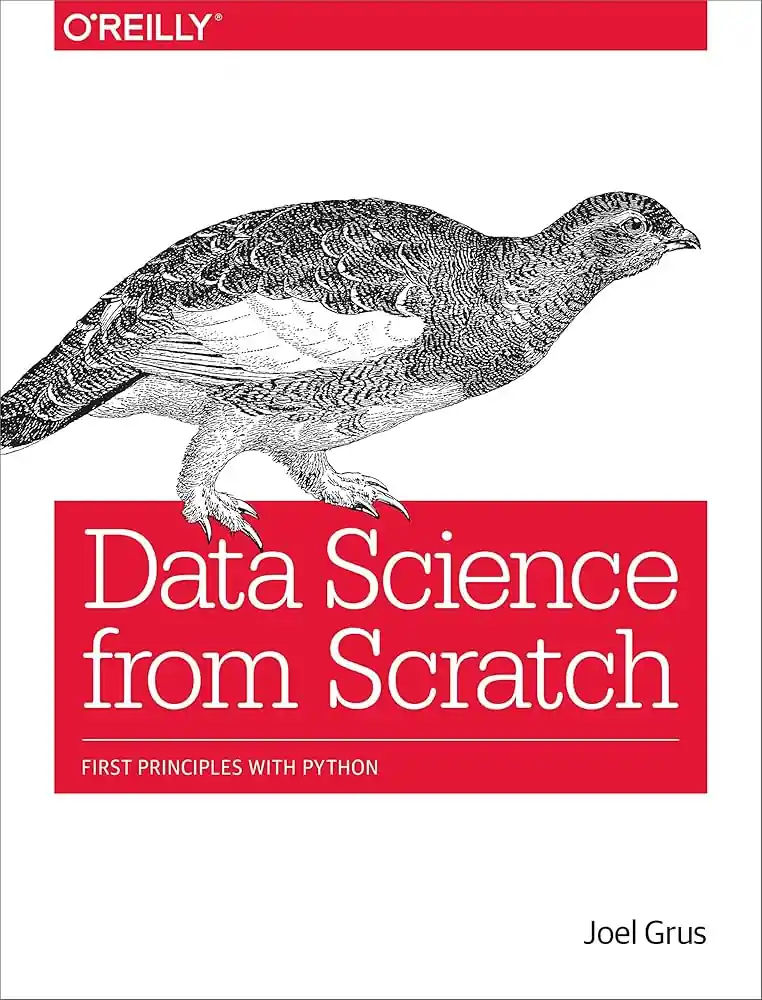
A beginner-friendly book that helps you understand core data science concepts, algorithms, and Python implementations from the ground up.
2. Python Data Science Handbook – Jake VanderPlas
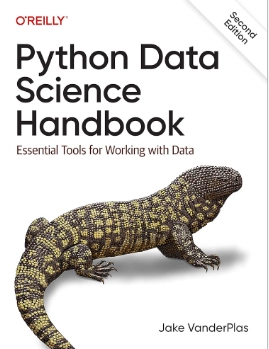
One of the best books for learning NumPy, Pandas, Matplotlib, and machine learning libraries used in real-world data science.
3. Hands-On Machine Learning with Scikit-Learn, Keras, and TensorFlow – Aurélien Géron
Best for learners who want practical knowledge of machine learning and deep learning with
4. R for Data Science – Hadley Wickham & Garrett Grolemund
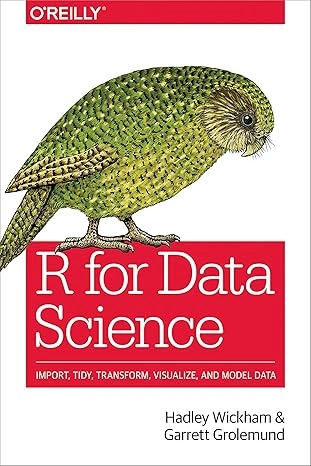
A great book for learning data analysis, data wrangling, and visualization using R programming.
5. Introducing Data Science – Davy Cielen, Arno D. B. Meysman, and Mohamed Ali
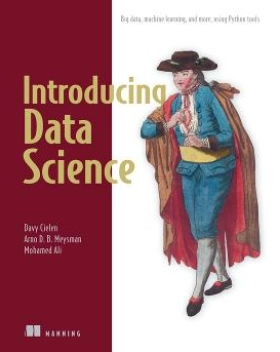
A useful book for beginners that explains the fundamentals of data science, data processing, machine learning concepts, and practical applications in an easy-to-understand way.
Data Science Course Eligibility in 2026
The eligibility for a data science course in 2026 depends on the course level, such as undergraduate, postgraduate, diploma, or certification. Most institutes in India prefer candidates with a background in mathematics, statistics, computer science, or engineering, though beginner certification courses are often open to students from any stream.
| Course Level | Eligibility Criteria |
| Undergraduate (B.Sc / B.Tech / BCA) | 10+2 pass from a recognized board with Mathematics preferred; usually 50–60% minimum marks |
| Postgraduate (M.Sc / M.Tech / MCA) | Bachelor’s degree in Computer Science, Mathematics, Statistics, BCA, B.Tech, or related field with 50–60% marks |
| PG Diploma / Certification | Bachelor’s degree in any stream; basic analytical and programming knowledge preferred |
| Online / Short-Term Certification | Open to students, graduates, and working professionals from any background |
Important Requirements
- Mathematics or Statistics background preferred
- Basic programming knowledge (Python / SQL)
- Analytical and logical thinking skills
- Minimum 50–60% marks in the previous qualification
- Some colleges may require entrance exams
Skills Required to Become a Data Science Professional
To become a successful data science professional, you need a combination of technical expertise and soft skills. Below are the key technical and non-technical skills required in data science:
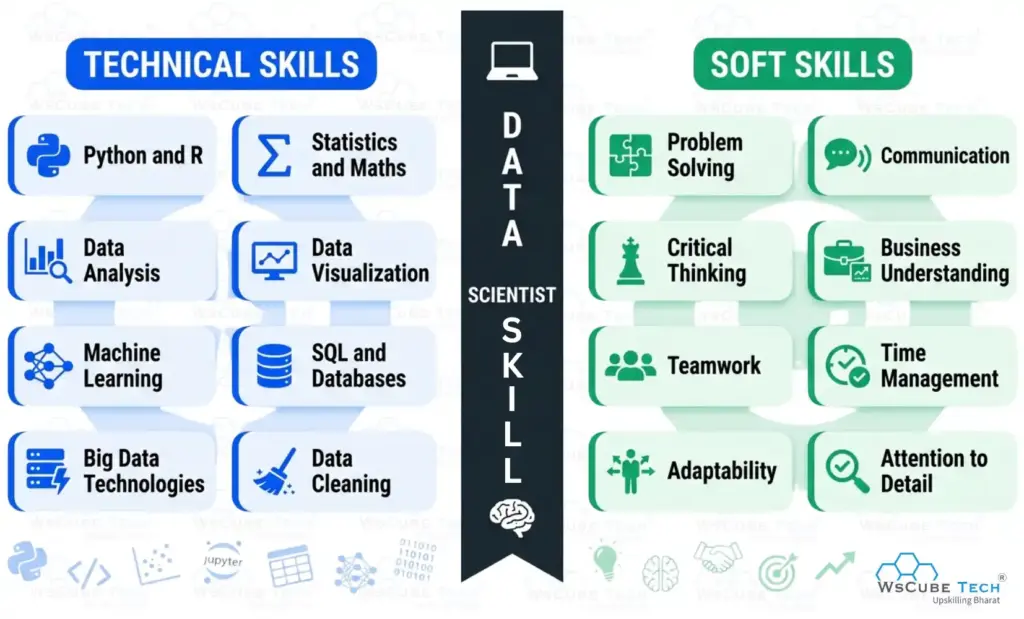
Technical Skills
- Programming Skills (Python, R, SQL)
- Statistical Analysis
- Data Cleaning and Preprocessing
- Data Visualization
- Machine Learning
- Deep Learning
- Database Management
- Big Data Technologies
- Cloud Computing
Non-Technical Skills
- Analytical Thinking
- Problem-Solving Skills
- Communication Skills
- Critical Thinking
- Business Understanding
- Teamwork and Collaboration
- Decision-Making Skills
- Attention to Detail
Read More Blogs Related to Data Science
Career Opportunities After Data Science Course
Data science offers many career paths across industries with high demand, strong growth, and excellent opportunities for skilled professionals worldwide. Below are the Data science career opportunities:
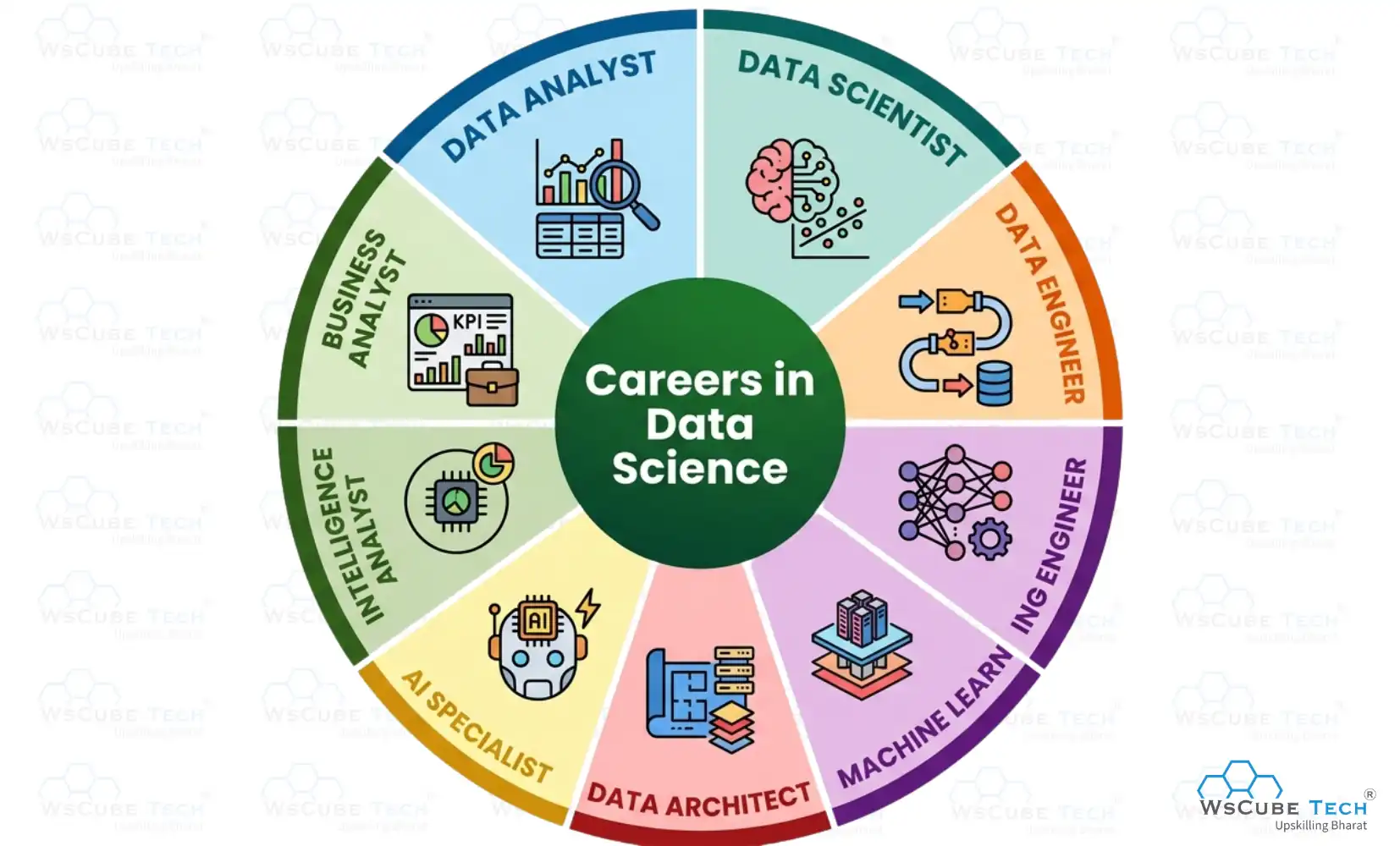
- Data Scientist: Analyzes large datasets, builds predictive models, and extracts meaningful insights to support decision-making, improve business performance, and solve complex real-world problems effectively.
- Data Analyst: Collects, processes, and analyzes data to identify trends and patterns. Creates reports and interactive dashboards that help organizations understand insights, support decision-making, and improve overall business strategies and performance effectively.
- Machine Learning Engineer: Develops, trains, and deploys machine learning models to automate tasks, improve prediction accuracy, and build intelligent systems for real-world applications.
- Data Engineer: Designs and manages data pipelines, databases, and storage systems to ensure smooth data flow, processing, and accessibility for analytics and machine learning tasks.
- Business Analyst: Uses data to understand business requirements, identify issues, and suggest solutions. Connects data insights with business strategies to improve efficiency and overall performance.
- Business Intelligence Analyst: Creates dashboards, visual reports, and data-driven insights to help management make strategic and performance-based business decisions.
- Research Scientist: Works on advanced data science, AI, and machine learning research to develop innovative solutions and improve analytical methodologies.
Also Read: Data Analyst vs. Data Scientist: Key Differences & Comparison
Salary of Data Scientists in India
Data science is one of the highest-paying technology careers in India, with average salaries ranging from ₹9 lakhs to ₹21.5 lakhs per annum for professionals who have relevant technical skills, hands-on project experience, and a few years of industry experience.
Note: Salary may vary based on experience, location, company, and job role.
Future Scope of Data Science in India
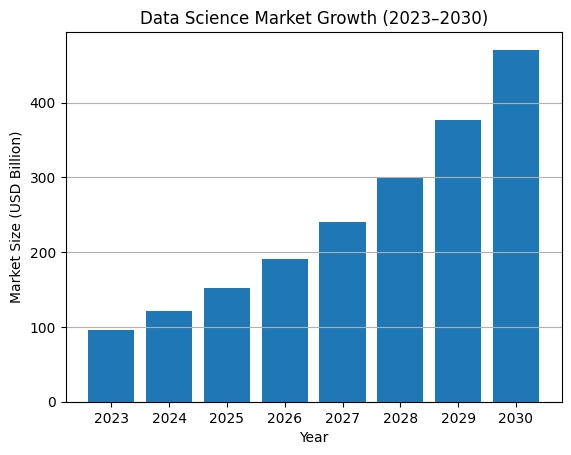
The future of this field is highly promising as the demand for smart decision-making based on insights and analytics continues to rise across industries worldwide. According to market research, the market was valued at approximately $96.25 billion in 2023 and is expected to reach $470.92 billion by 2030, growing at a 26% CAGR, which reflects strong career and business opportunities.
In India, this field is expanding rapidly due to the increasing adoption of AI, machine learning, IoT, and big data technologies. The growing use of these advanced technologies is creating strong demand for skilled professionals, making it one of the most promising career options in the coming years.
Explore Our Data Related Courses
| Data Analytics Course | Live Internship + 100% Job Support |
| Business Analytics Course | Live Internship + 100% Job Support |
| Data Science Course | Live Internship + 100% Job Support |
FAQs About Data Science Syllabus
Data Science is the field of study that involves collecting, analyzing, and interpreting large datasets to extract meaningful insights, make predictions, and support decision-making using statistical, analytical, and computational methods.
Python is considered the best programming language for Data Science due to its simplicity, extensive libraries for data analysis, machine learning, visualization, and its wide adoption in industry and research.
Yes, mathematics is essential for Data Science. Topics like linear algebra, calculus, probability, and statistics are crucial for understanding machine learning models, performing data analysis, and making accurate predictions from datasets.
Anyone with an interest in mathematics, statistics, and programming can study Data Science. Both technical and non-technical students, graduates, and working professionals can pursue courses, certifications, or degrees in this field.
The duration of Data Science courses varies. Undergraduate courses are typically three years, postgraduate programs last two years, and certifications or diplomas range from three months to one year.
Key skills include mathematics, statistics, programming (Python or R), data visualization, machine learning, SQL, analytical thinking, problem-solving, and communication skills to interpret and present insights from data effectively.
Eligibility depends on the level of the course. Undergraduate courses require 10+2 with maths; postgraduate programs require a relevant degree, while certifications often have no strict prerequisites.
After completing Data Science courses, you can pursue careers as a Data Analyst, Data Scientist, Machine Learning Engineer, Business Analyst, Data Engineer, or work in AI, Big Data, and analytics domains.
Yes, Data Science is a promising career in India due to high demand across sectors like IT, finance, healthcare, and e-commerce. It offers growth, opportunities, and competitive salaries for skilled professionals.
Data Science jobs in 2026 are expected to be high-paying, especially for experienced professionals. Senior Data Scientists in India can earn between ₹9–21.5 LPA, depending on skills, domain, and company type.
Yes, machine learning is a core part of the Data Science syllabus. Students learn algorithms, predictive modeling, supervised and unsupervised learning techniques to analyze data and develop intelligent applications.
First-year core subjects usually include Mathematics (Linear Algebra, Calculus), Statistics, Programming (Python, C), Data Structures, Database Management, and basic Data Analysis to build a strong foundation in Data Science.

Conclusion
The data science course syllabus covers all the essential subjects and practical topics required to build strong technical, analytical, and problem-solving skills. It includes key areas such as programming, statistics, SQL, data analysis, machine learning, deep learning, and cloud computing.
Along with theoretical knowledge, the course also focuses on real-world projects and case studies to provide hands-on experience. This helps students become industry-ready and opens up excellent career opportunities in analytics, AI, and machine learning across various industries.
Explore Our Free Tech Tutorials
| Python Tutorial | Java Tutorial | JavaScript Tutorial |
| C Tutorial | C++ Tutorial | HTML Tutorial |
| CSS Tutorial | SQL Tutorial | DSA Tutorial |
Practice Coding With Our Free Compilers
| Online Python Compiler | Online HTML Compiler | Online C Compiler |
| Online C++ Compiler | Online JS Compiler | Online Java Compiler |
Join Our On-Campus Data Science Program
Explore Our Free Courses





Leave a comment
Your email address will not be published. Required fields are marked *Comments (0)
No comments yet.