Performance marketing is changing how businesses grow online. If you want to know how to learn performance marketing, the right skills and practical approach can help you build a successful digital career faster.
From running paid ads to generating real sales, companies today rely on data-driven marketers for measurable growth. That is why students, freelancers, and professionals are eager to learn performance marketing and stay ahead in 2026.
This beginner-friendly guide covers important skills, top tools, learning strategies, and career paths to help you start confidently and grow step-by-step in performance marketing.
You can also join the performance marketing course at WsCube Tech to learn practical skills, run real ad campaigns, and build a strong digital marketing career step-by-step.
What Is Performance Marketing?
Performance marketing is a digital marketing strategy where businesses pay only for specific results like clicks, leads, sales, or conversions. It focuses on measurable outcomes, making campaigns more cost-effective and data-driven.
From Google Ads to social media advertising, brands use performance marketing to achieve faster growth. The best way to learn performance marketing is through practical campaigns, analytics, and continuous optimization.
Key Characteristics of Performance Marketing:
- Focuses on measurable results and ROI
- Uses paid advertising platforms for growth
- Relies heavily on analytics and tracking
- Helps optimize campaigns in real time
- Targets specific audiences for better conversions
How Performance Marketing Works
Performance marketing works by running targeted online ads and paying only for measurable actions like clicks, leads, or sales. Businesses use data, audience targeting, and optimization to improve campaign performance and maximize ROI.
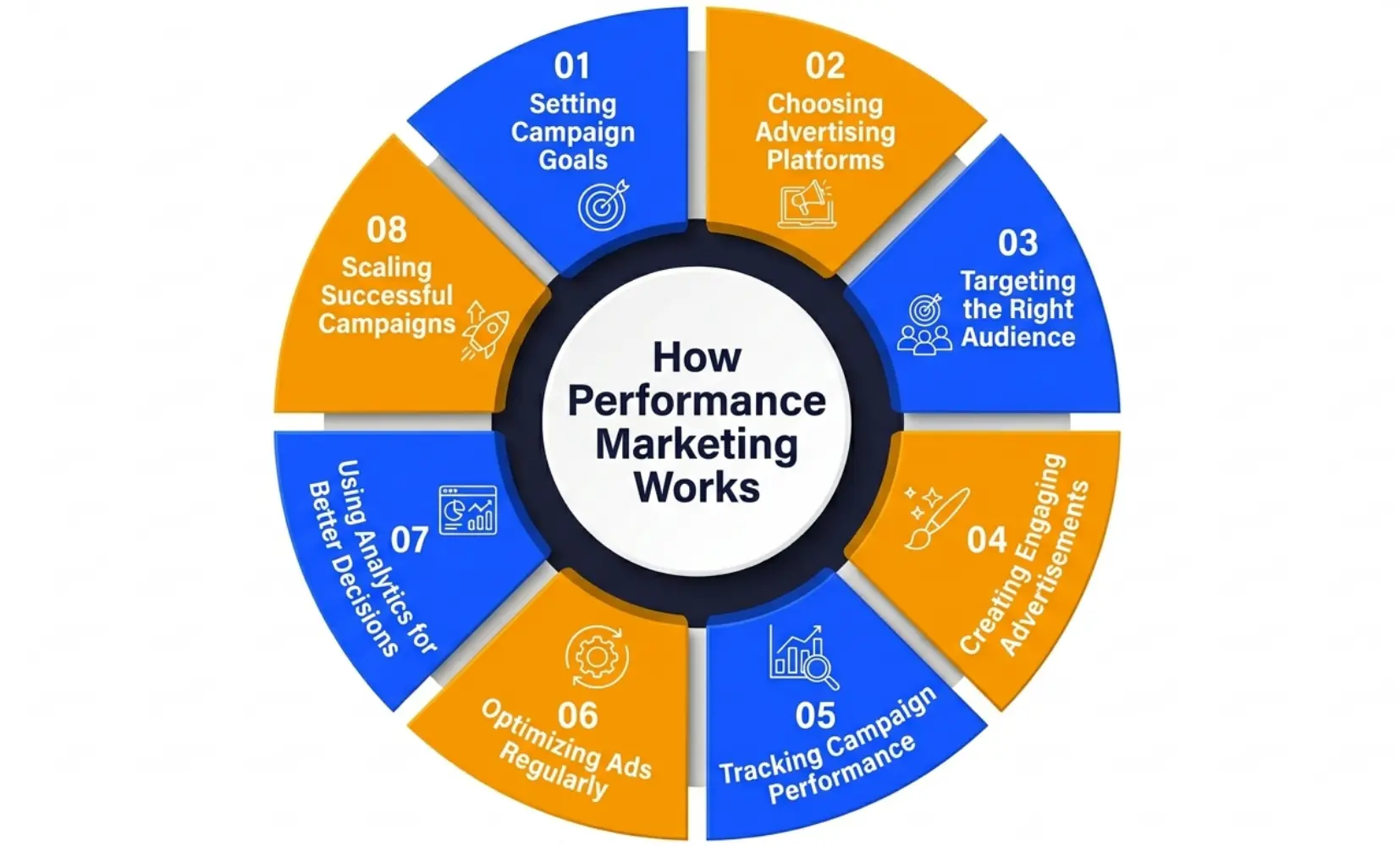
1. Setting Campaign Goals
Businesses first decide clear objectives like generating leads, increasing website traffic, boosting sales, or improving app downloads through targeted digital advertising campaigns.
2. Choosing Advertising Platforms
Marketers select platforms like Google Ads, Facebook Ads, Instagram, LinkedIn, or YouTube based on audience behavior, campaign goals, and business requirements.
3. Targeting the Right Audience
Performance marketing uses demographics, interests, search intent, and retargeting techniques to reach people who are most likely to engage or convert.
4. Creating Engaging Advertisements
High-performing ads include strong headlines, attractive visuals, persuasive copy, and clear call-to-actions that encourage users to click or purchase products.
5. Tracking Campaign Performance
Marketers monitor metrics like CTR, CPC, CPA, conversions, and ROAS using analytics tools to measure campaign success and audience engagement accurately.
6. Optimizing Ads Regularly
Campaigns are continuously improved through A/B testing, budget adjustments, audience refinement, and creative optimization to achieve better performance and lower costs.
7. Using Analytics for Better Decisions
Analytics tools help marketers understand user behavior, identify profitable campaigns, and improve future strategies. This is essential to learn performance marketing effectively.
8. Scaling Successful Campaigns
Once campaigns generate positive results, businesses increase budgets, expand audience targeting, and test new strategies for higher growth and better revenue generation.
If you want to know how to learn performance marketing, start by understanding campaign structure, practicing with ad platforms, and analyzing real campaign data consistently.
Recommended Professional Certificates
AI-Powered Digital Marketing Course
Performance Marketing Bootcamp
SEO Specialist Bootcamp
Difference Between Digital Marketing and Performance Marketing
Understanding the difference between digital marketing and performance marketing helps beginners choose the right career path. Comparing both strategies is also the best way to learn performance marketing effectively and practically.
| Basis | Digital Marketing | Performance Marketing |
| Definition | Promotes brands through online channels | Focuses on measurable results like clicks or sales |
| Main Goal | Brand awareness and online presence | Conversions, leads, and revenue generation |
| Payment Model | Fixed marketing budgets | Pay only for specific actions or results |
| Strategy Type | Broad and long-term | Data-driven and result-oriented |
| Tracking | Limited performance tracking | Real-time tracking and analytics |
| ROI Measurement | Difficult to measure accurately | Easy to measure with clear metrics |
| Advertising Channels | SEO, content, email, social media | Google Ads, Meta Ads, affiliate marketing |
| Optimization | Less frequent optimization | Continuous testing and optimization |
| Targeting | General audience targeting | Highly specific audience targeting |
| Metrics Used | Traffic, reach, engagement | CPC, CPA, CTR, ROAS, conversions |
| Budget Usage | Can involve fixed spending | Budget optimized for performance |
| Speed of Results | Usually slower | Faster and measurable outcomes |
| Data Dependency | Moderate | Highly dependent on analytics and data |
| Best For | Long-term brand building | Immediate business growth and sales |
| Example | Blogging, SEO, social media posts | Paid ads for leads and conversions |
Key Benefits of Performance Marketing
Performance marketing helps businesses achieve measurable growth through targeted advertising, better tracking, optimized spending, and higher conversion opportunities online effectively.
1. Better Return on Investment (ROI): Performance marketing focuses on measurable outcomes, allowing businesses to spend budgets efficiently and generate better returns through optimized advertising campaigns and strategies.
2. Real-Time Performance Tracking: Marketers can monitor clicks, conversions, impressions, and engagement instantly, helping businesses make faster decisions and improve campaigns based on live performance data.
3. Highly Targeted Advertising: Businesses can target audiences based on interests, demographics, behavior, and location, improving conversion chances while reducing unnecessary advertising expenses significantly.
4. Cost-Effective Marketing Strategy: Brands pay only for specific actions like clicks, leads, or sales, making performance marketing more affordable and result-oriented compared to traditional advertising methods.
5. Continuous Campaign Optimization: Marketers regularly test creatives, audiences, and bidding strategies to improve campaign efficiency. This practical process helps beginners learn performance marketing more effectively.
6. Scalable Business Growth: Successful campaigns can be scaled easily by increasing budgets, expanding audience reach, and testing new platforms for higher revenue and business growth opportunities.
7. Data-Driven Decision Making: Analytics and campaign insights help businesses improve strategies, understand customer behavior, and maximize conversions. This is considered the best way to learn performance marketing successfully.
Common Performance Marketing Channels
Performance marketing uses multiple advertising channels to generate measurable results like clicks, leads, and sales. Understanding these platforms is essential for learning how to learn performance marketing successfully.
- Google Ads: Google Ads helps businesses target users through search, display, shopping, and video campaigns, generating traffic, leads, and conversions based on user search intent.
- Meta Ads (Facebook & Instagram): Meta Ads allow businesses to reach targeted audiences using engaging creatives, audience segmentation, retargeting, and conversion-focused campaigns across Facebook and Instagram platforms.
- YouTube Ads: YouTube Ads help brands promote products through skippable videos, bumper ads, and in-stream advertising, increasing engagement, visibility, and conversions among video audiences.
- LinkedIn Ads: LinkedIn Ads are ideal for B2B marketing, helping businesses target professionals, decision-makers, and companies through sponsored posts, lead forms, and professional targeting options.
- Affiliate Marketing: Affiliate marketing allows businesses to partner with publishers or creators who promote products and earn commissions for generating successful sales or customer conversions.
- Native Advertising: Native advertising blends promotional content naturally within websites or apps, improving user engagement and generating better click-through rates without disrupting user experience online.
- Influencer Marketing: Influencer marketing helps brands collaborate with creators and social media personalities to promote products authentically, increasing trust, audience engagement, and purchase decisions effectively.
Why You Should Learn Performance Marketing in 2026
Performance marketing offers high-income careers, freelancing opportunities, and strong industry demand. Practical experience and certifications remain the best way to learn performance marketing successfully today.
- Career Opportunities in Performance Marketing: Performance marketing offers roles like PPC Specialist, Media Buyer, Growth Marketer, Digital Marketing Executive, Performance Strategist, and Paid Ads Manager across multiple industries globally.
- Salary and Freelancing Potential: Skilled performance marketers earn competitive salaries and freelance income through ad management, lead generation, campaign optimization, consulting services, and managing advertising projects independently.
- Demand for Performance Marketing Experts: Businesses increasingly depend on paid advertising and measurable growth strategies, creating strong demand for professionals who can generate leads, conversions, and profitable marketing campaigns.
- Skills Businesses Look for in Performance Marketers: Companies prefer marketers skilled in analytics, paid advertising, audience targeting, copywriting, campaign optimization, data interpretation, A/B testing, and conversion-focused marketing strategies today.
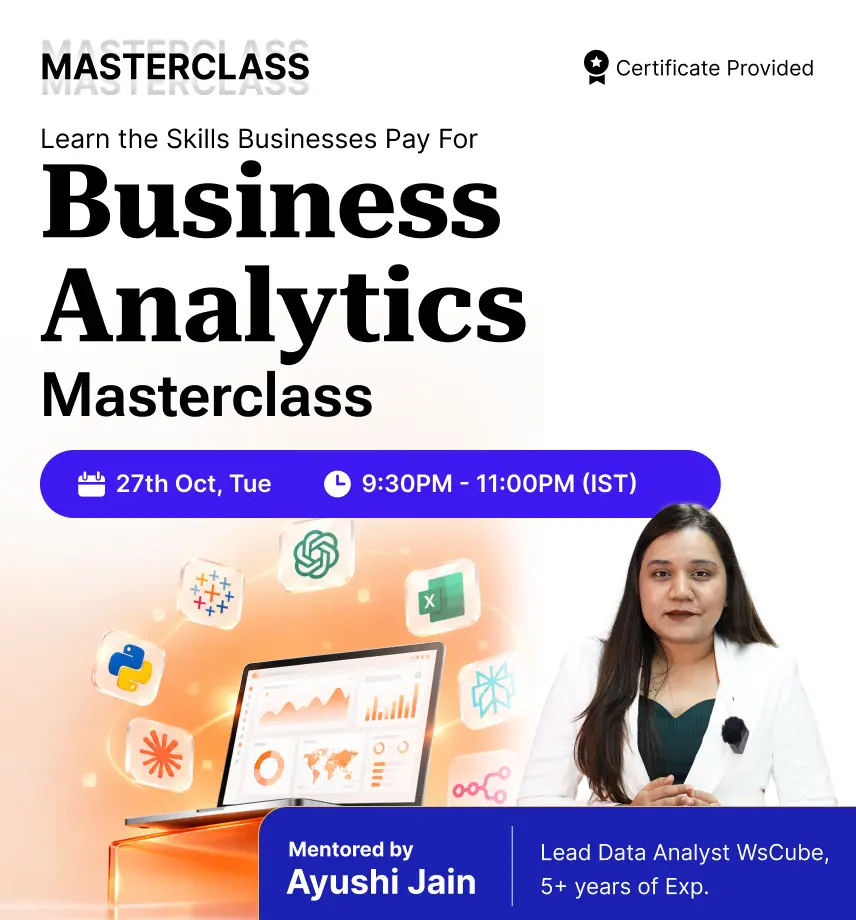
Upcoming Masterclass
Attend our live classes led by experienced and desiccated instructors of Wscube Tech.
How to Learn Performance Marketing in 2026? Full Roadmap
Learning performance marketing becomes easier with structured practice, real campaigns, analytics knowledge, and understanding how to learn performance marketing effectively step-by-step.
Step 1: Learn Digital Marketing Fundamentals
Start with SEO, content marketing, email marketing, social media, and online branding basics to build strong foundational knowledge before learning paid advertising.
Step 2: Understand Marketing Funnels and Customer Journey
Learn how users move from awareness to purchase through marketing funnels, helping businesses create targeted campaigns that improve conversions and customer engagement effectively.
Step 3: Learn Paid Advertising Basics
Understand advertising platforms like Google Ads and Meta Ads, including campaign setup, bidding strategies, keywords, ad creatives, and budget management fundamentals.
Step 4: Master Audience Targeting and Buyer Intent
Learn demographic targeting, audience behavior, interests, search intent, and retargeting strategies to reach potential customers more effectively and improve advertising performance consistently.
Step 5: Understand Conversion Tracking and Analytics
Study Google Analytics, Meta Pixel, and tracking tools to measure campaign performance, user behavior, conversions, and important advertising metrics accurately for optimization.
Step 6: Learn Campaign Optimization Techniques
Understand A/B testing, bid adjustments, audience refinement, landing page improvements, and creative testing techniques to improve campaign efficiency and reduce advertising costs.
Step 7: Practice With Real Campaigns
Run small-budget campaigns for personal projects, internships, or local businesses to gain practical experience, improve strategies, and understand real-world advertising challenges better.
Step 8: Build a Portfolio and Case Studies
Create detailed campaign reports, showcase results, and build case studies demonstrating your skills. This step-by-step guide to learn performance marketing improves career opportunities.
Best Way to Learn Performance Marketing Effectively
Practical learning, consistent testing, and analytics understanding are essential for mastering performance marketing successfully in today’s competitive industry.
- Learn Through Real Campaign Practice: Running small-budget campaigns helps beginners understand audience targeting, bidding, ad creatives, and optimization practically while gaining valuable real-world advertising experience effectively.
- Start With One Advertising Platform: Focus on mastering Google Ads or Meta Ads first instead of learning multiple platforms together. This improves understanding and avoids confusion during early learning stages.
- Take Online Courses and Certifications: Structured courses and certifications from WsCube Tech and other reliable platforms help beginners understand paid advertising concepts, campaign management, and digital marketing fundamentals properly.
- Study Analytics and Campaign Data: Understanding analytics tools like Google Analytics and Meta Pixel is important for tracking campaign performance, measuring conversions, and improving advertising strategies consistently over time.
- Follow Industry Experts and Blogs: Reading marketing blogs, watching YouTube tutorials, and following industry experts help beginners stay updated with trends, tools, strategies, and advertising platform updates regularly.
- Practice Audience Targeting and Retargeting: Learning audience segmentation, user behavior, and retargeting strategies improves campaign performance significantly while helping beginners understand customer intent and conversion-focused advertising better.
- Build Personal Projects and Case Studies: Creating personal campaigns and documenting results helps showcase practical skills, improve learning confidence, and build a strong portfolio for jobs or freelance opportunities.
- Join Marketing Communities and Forums: Communities on LinkedIn, Reddit, Discord, and Facebook provide valuable discussions, campaign insights, practical tips, and networking opportunities for aspiring performance marketers worldwide today.
- Analyze Successful Advertising Campaigns: Studying high-performing ads helps beginners understand creative strategy, copywriting, targeting methods, and optimization techniques. This is the best way to learn performance marketing practically.
- Stay Consistent with Daily Learning: Consistency is important when understanding how to learn performance marketing because regular practice, testing, and campaign analysis improve skills faster and build long-term expertise.
Expand Your Marketing Skills
Essential Skills Required to Learn Performance Marketing
Performance marketing requires a combination of creative, analytical, and technical skills to run successful advertising campaigns. Developing these abilities helps marketers generate better leads, conversions, and business growth through measurable strategies.
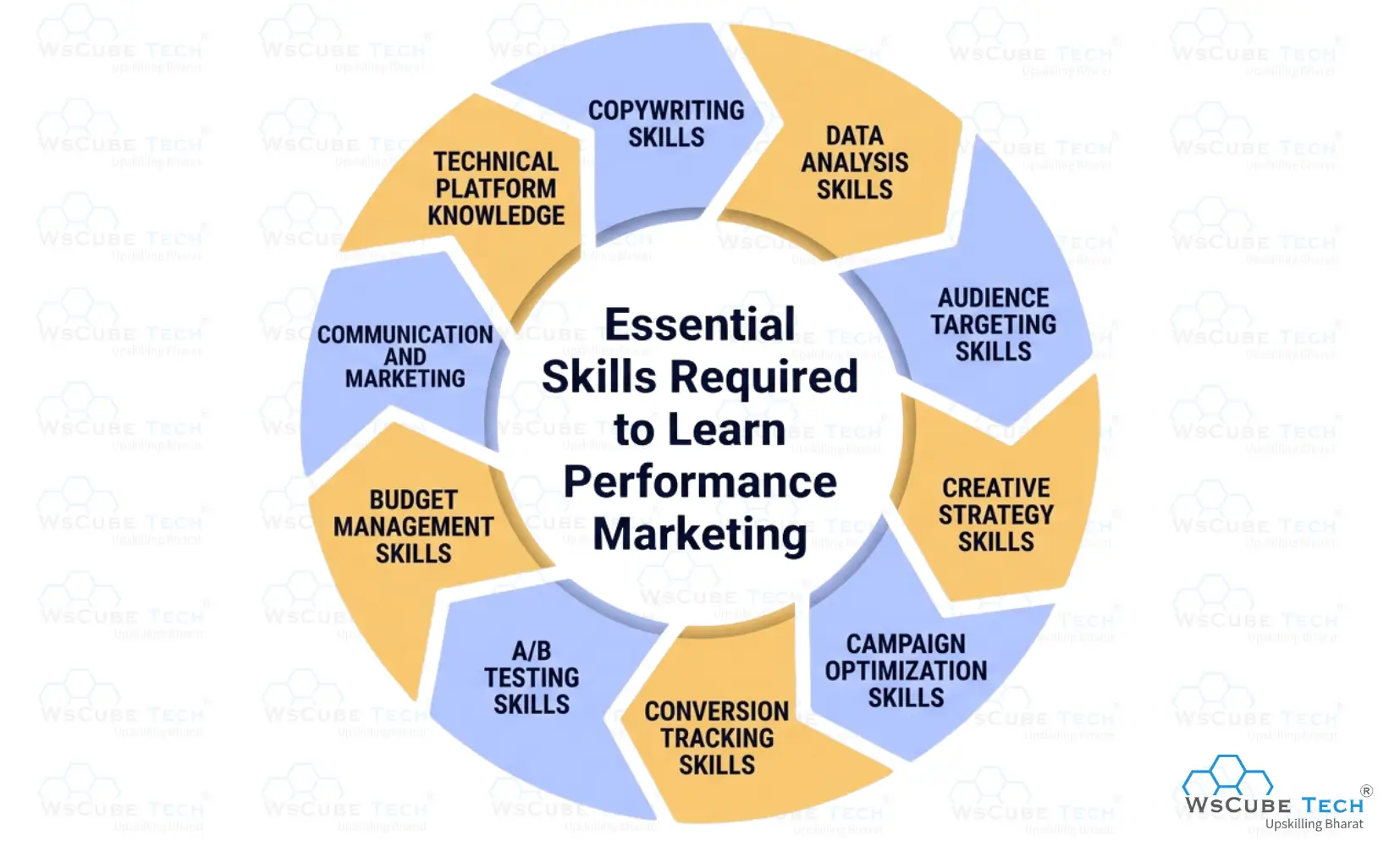
1. Copywriting Skills
Strong copywriting helps create compelling ads, headlines, and call-to-actions that attract users, increase engagement, and improve conversion rates across advertising platforms effectively.
2. Data Analysis Skills
Performance marketers must understand campaign data, audience behavior, and advertising metrics to make informed decisions and improve campaign performance consistently over time.
3. Audience Targeting Skills
Understanding demographics, interests, behavior, and customer intent helps marketers reach the right audience and generate better results through highly targeted advertising campaigns.
4. Creative Strategy Skills
Creative thinking helps marketers design engaging ad creatives, videos, visuals, and campaigns that capture attention and improve brand engagement successfully online.
5. Campaign Optimization Skills
Optimization skills involve testing ads, refining audiences, adjusting budgets, and improving bidding strategies to maximize conversions while reducing advertising costs effectively.
6. Conversion Tracking Skills
Knowledge of tools like Google Analytics, Meta Pixel, and Google Tag Manager helps marketers track user actions and measure campaign success accurately.
7. A/B Testing Skills
A/B testing helps compare different ads, creatives, headlines, and landing pages to identify what performs best and improves campaign efficiency significantly over time.
8. Budget Management Skills
Managing advertising budgets properly helps businesses maximize ROI, control campaign spending, and scale profitable advertising strategies without unnecessary financial losses.
9. Communication and Marketing Skills
Good communication helps marketers understand customer needs, collaborate with teams, present strategies clearly, and create campaigns that connect with target audiences successfully.
10. Technical and Platform Knowledge
Understanding advertising platforms like Google Ads, Meta Ads, LinkedIn Ads, and analytics tools is essential for managing and optimizing campaigns professionally.
Building these skills through consistent practice, real campaigns, and analytics understanding is considered the best way to learn performance marketing for long-term career success.
Best Platforms to Learn Performance Marketing
Online platforms provide practical courses, certifications, and real-world advertising knowledge to help beginners learn performance marketing effectively and professionally.
1. WsCube Tech
WsCube Tech helps learners master digital advertising with its industry-focused Performance Marketing Course, covering practical training, live projects, Google Ads, Meta Ads, SEO, analytics, and expert mentorship. The course is ideal for beginners who want to build industry-ready digital marketing skills and gain real-world experience through hands-on learning.
2. Google Skillshop
Google Skillshop offers free certifications and practical training for Google Ads, Analytics, YouTube Ads, and campaign optimization through beginner-friendly learning modules online.
3. Meta Blueprint
Meta Blueprint provides official Facebook and Instagram advertising courses covering audience targeting, ad creatives, campaign setup, optimization, and conversion-focused marketing strategies effectively.
4. HubSpot Academy
HubSpot Academy offers free certifications in digital marketing, email marketing, content marketing, and analytics, helping beginners understand performance-focused online marketing strategies professionally.
Performance Marketing Tools Every Beginner Should Learn
Performance marketing tools help beginners manage campaigns, track performance, analyze data, and optimize advertising strategies for better business results effectively.
- Google Ads: Google Ads helps marketers create search, display, shopping, and video campaigns while learning keyword targeting, bidding strategies, audience targeting, and campaign optimization techniques.
- Google Analytics 4 (GA4): GA4 helps marketers track website traffic, user behavior, conversions, and engagement metrics, improving decision-making and campaign performance through detailed analytics insights effectively.
- Meta Ads Manager: Meta Ads Manager allows businesses to create Facebook and Instagram campaigns, manage audiences, track conversions, and optimize advertisements for better engagement and sales.
- Google Tag Manager (GTM): Google Tag Manager simplifies tracking setup by managing tags, conversion events, analytics codes, and pixels without requiring advanced coding knowledge for marketers today.
- SEMrush: SEMrush helps marketers analyze competitors, perform keyword research, track website performance, and improve advertising strategies. Using practical tools is the best way to learn performance marketing.
Explore Our Most Popular Marketing Courses
How to Learn Google Ads for Performance Marketing?
Google Ads helps businesses generate traffic, leads, and sales through targeted advertising campaigns across search, display, shopping, and video platforms.
Step 1: Understand Google Ads Basics
Learn campaign types, bidding models, keywords, ad rank, quality score, and targeting fundamentals to build a strong foundation in Google advertising effectively.
Step 2: Learn Keyword Research
Understand search intent, keyword types, competition, and bidding strategies using tools like Google Keyword Planner to target the right audience successfully online.
Step 3: Create a Google Ads Account
Set up your Google Ads account properly by selecting campaign goals, targeting locations, budgets, bidding strategies, and conversion tracking settings carefully.
Step 4: Learn Campaign Structure
Understand campaigns, ad groups, keywords, and advertisements properly to organize Google Ads campaigns efficiently for better targeting and higher conversion opportunities consistently.
Step 5: Write High-Converting Ad Copy
Create compelling headlines, descriptions, and call-to-actions that attract users, improve click-through rates, and increase conversions through persuasive advertising messages effectively.
Step 6: Understand Audience Targeting
Learn demographic targeting, audience segments, remarketing, device targeting, and location targeting to reach users most likely to engage or convert successfully online.
Step 7: Learn Conversion Tracking
Set up Google Analytics and conversion tracking tools to monitor clicks, leads, purchases, and user actions for measuring campaign performance accurately and efficiently.
Step 8: Practice Campaign Optimization
Improve campaigns through A/B testing, keyword optimization, bid adjustments, audience refinement, and ad performance analysis to maximize advertising results and reduce costs.
Step 9: Analyze Campaign Metrics
Track important metrics like CTR, CPC, CPA, Quality Score, conversions, and ROAS to understand campaign performance and improve advertising strategies continuously over time.
Step 10: Run Real Advertising Campaigns
Practical implementation is important when understanding how to learn performance marketing because real campaigns provide valuable experience, analytics knowledge, and optimization skills consistently.
How to Learn Meta Ads (Facebook & Instagram Ads)
Meta Ads help businesses reach targeted audiences through Facebook and Instagram using conversion-focused advertising strategies, creatives, and audience targeting tools effectively.
Step 1: Understand Meta Ads Basics
Learn campaign objectives, ad formats, bidding strategies, placements, and audience targeting fundamentals to build a strong foundation in Meta advertising platforms successfully.
Step 2: Create a Meta Business Account
Set up Meta Business Manager properly by connecting Facebook pages, Instagram accounts, payment methods, ad accounts, and conversion tracking tools efficiently.
Step 3: Learn Audience Targeting
Understand demographics, interests, custom audiences, lookalike audiences, and retargeting techniques to reach users most likely to engage or convert through advertisements.
Step 4: Create Engaging Ad Creatives
Design visually appealing images, videos, headlines, and captions that capture attention, improve engagement, and encourage users to take desired actions online effectively.
Step 5: Understand Campaign Objectives
Learn objectives like traffic, engagement, leads, conversions, app installs, and sales to choose the right campaign goal for specific business requirements properly.
Step 6: Learn Meta Pixel and Tracking
Install Meta Pixel to track website visitors, conversions, user actions, and campaign performance for better optimization and accurate advertising performance measurements.
Step 7: Practice Budgeting and Bidding
Understand daily budgets, lifetime budgets, automatic bidding, and manual bidding strategies to control advertising costs and maximize campaign performance effectively online.
Step 8: Analyze Campaign Performance
Track important metrics like CTR, CPC, CPM, conversions, and ROAS to measure campaign effectiveness and improve advertising strategies through regular optimization techniques.
Step 9: Perform A/B Testing
Test different creatives, audiences, headlines, placements, and call-to-actions regularly to identify high-performing advertisements and improve campaign conversion rates successfully over time.
Step 10: Run Real Campaigns Consistently
Practical implementation through real campaigns helps beginners gain confidence, understand audience behavior, and learn performance marketing more effectively with hands-on advertising experience.
Recommended Professional Certificates
AI-Powered Digital Marketing Course
Performance Marketing Bootcamp
SEO Specialist Bootcamp
Learning Analytics and Tracking in Performance Marketing
Analytics and tracking help marketers measure campaign performance, understand user behavior, and improve advertising strategies through accurate performance data consistently.
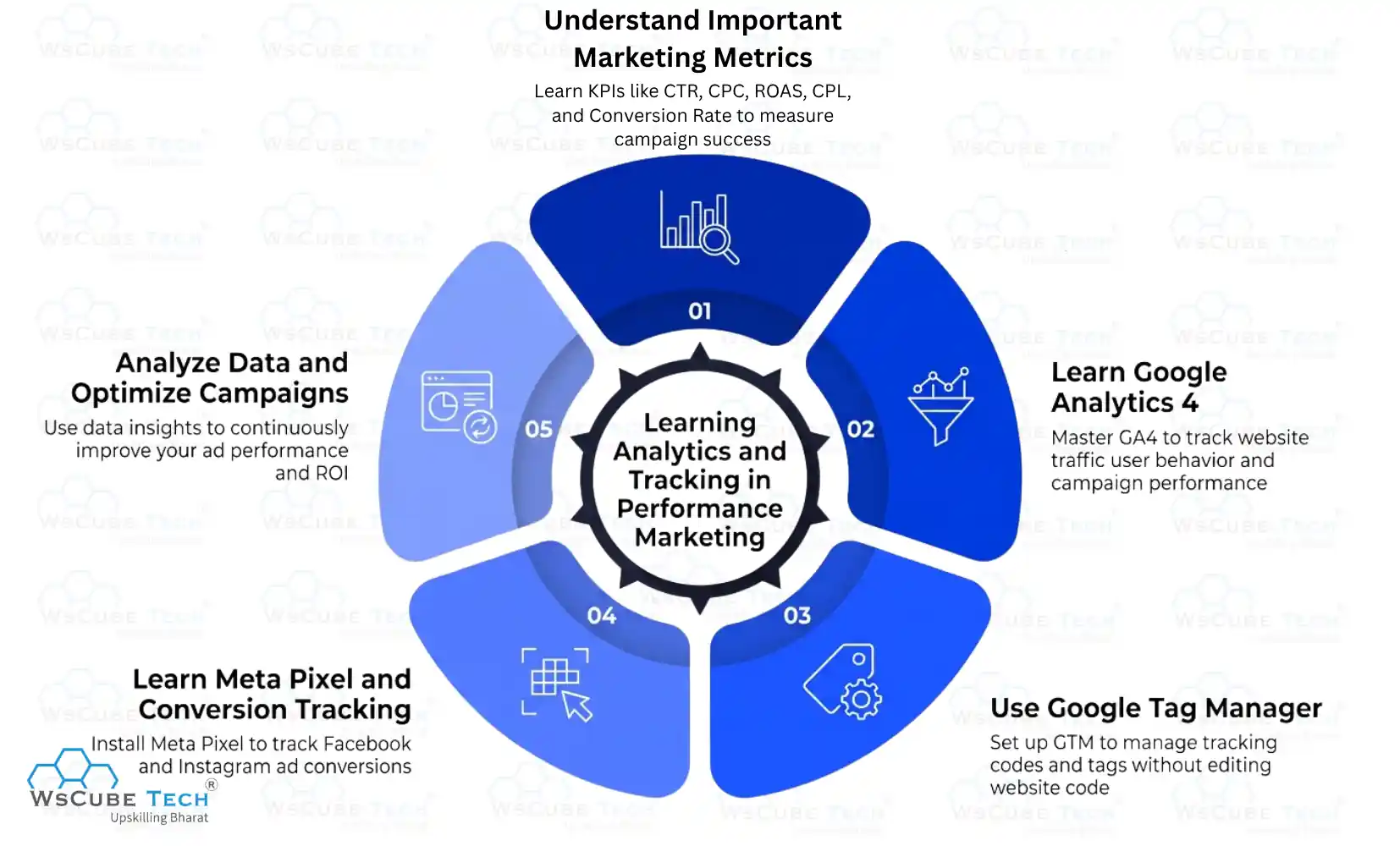
1. Understand Important Marketing Metrics: Learn metrics like CTR, CPC, CPA, ROAS, conversions, and bounce rate to measure advertising performance and campaign effectiveness accurately and efficiently online.
2. Learn Google Analytics 4 (GA4): GA4 helps marketers track website traffic, audience behavior, conversions, and engagement data for improving marketing decisions and campaign optimization strategies effectively.
3. Use Google Tag Manager (GTM): Google Tag Manager simplifies event tracking, pixel installation, and conversion setup without coding, making campaign tracking easier and more efficient for beginners today.
4. Learn Meta Pixel and Conversion Tracking: Meta Pixel helps track website visitors, user actions, purchases, and conversions, improving retargeting campaigns and audience optimization through accurate performance insights consistently.
5. Analyze Data and Optimize Campaigns: Understanding campaign data helps marketers identify profitable strategies, improve audience targeting, and learn performance marketing through practical optimization and performance analysis regularly.
Practical Ways to Learn Performance Marketing Faster
Practical learning methods help beginners gain real experience, improve advertising skills, and understand campaign optimization strategies more effectively online.
1. Run Small-Budget Advertising Campaigns: Creating small campaigns on Google or Meta Ads helps beginners understand targeting, bidding, optimization, and audience behavior through practical real-world advertising experience consistently.
2. Work on Personal or Dummy Projects: Building personal brands, blogs, or dummy business campaigns allows beginners to practice ad strategies, tracking, creatives, and conversion-focused marketing techniques effectively online.
3. Analyze Competitor Advertising Campaigns: Studying successful advertisements helps marketers understand audience targeting, ad creatives, messaging, and campaign structures while improving practical advertising knowledge and strategic thinking.
4. Freelance or Internship Projects: Freelancing and internships provide hands-on exposure to real campaigns, client requirements, reporting, optimization, and advertising tools, improving confidence and industry experience significantly.
5. Practice Analytics and Optimization Daily: Regularly analyzing campaign metrics, testing creatives, and optimizing ads is important for understanding how to learn performance marketing through consistent practical implementation and improvement.
Common Mistakes Beginners Make While Learning Performance Marketing
Beginners often make avoidable mistakes that slow learning, reduce campaign performance, and create unnecessary advertising confusion online.
1. Learning Theory Without Practical Experience
Many beginners only watch tutorials without running campaigns, limiting real understanding of targeting, optimization, audience behavior, and advertising platform functionalities effectively online.
2. Trying Multiple Platforms Simultaneously
Learning Google Ads, Meta Ads, LinkedIn Ads, and analytics creates confusion. Focusing on one platform first improves understanding and practical implementation skills faster.
3. Ignoring Analytics and Tracking
Without understanding campaign metrics, conversions, and user behavior, beginners struggle to optimize advertisements and make data-driven marketing decisions effectively for better campaign performance.
4. Targeting the Wrong Audience
Poor audience research leads to low engagement and wasted budgets. Understanding customer interests and behavior improves campaign targeting and advertising results significantly online.
5. Avoiding A/B Testing and Optimization
Many beginners run single advertisements without testing creatives, headlines, or audiences, reducing opportunities to improve conversions and overall campaign efficiency consistently over time.
6. Expecting Instant Advertising Results
Performance marketing requires patience, testing, optimization, and continuous learning. Unrealistic expectations often discourage beginners before they develop strong practical advertising skills successfully online.
7. Not Practicing with Real Campaigns
The best way to learn performance marketing is through hands-on campaign experience because practical implementation builds confidence, optimization skills, and deeper advertising knowledge effectively.
Certifications That Help You Learn Performance Marketing
Certifications help beginners build practical skills, improve credibility, and increase job opportunities in performance marketing and digital advertising industries.
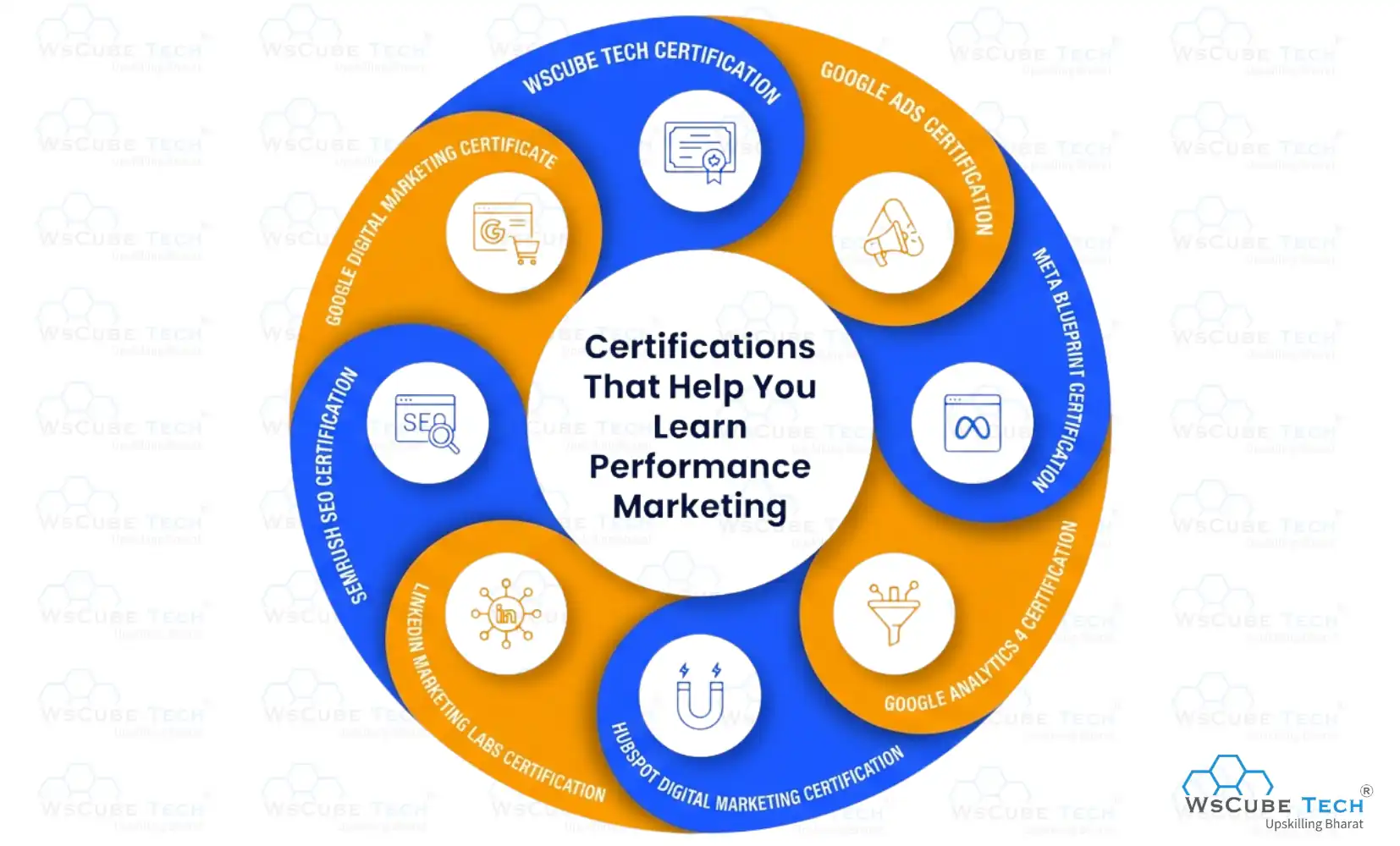
- WsCube Tech Certification: Learn performance marketing through practical projects, live campaigns, expert mentorship, and industry-focused training covering SEO, Google Ads, Meta Ads, and analytics.
- Google Ads Certification: Google Skillshop certifications are highly recognized for learning search, display, video, and shopping ads while understanding campaign optimization and advertising performance measurement.
- Meta Blueprint Certification: Meta Blueprint helps marketers learn Facebook and Instagram advertising, audience targeting, campaign management, creative strategy, and conversion-focused advertising techniques professionally.
- Google Analytics 4 (GA4) Certification: GA4 certification teaches marketers website analytics, conversion tracking, attribution modeling, audience insights, and performance analysis for better marketing decision-making and optimization strategies.
- HubSpot Digital Marketing Certification: HubSpot Academy offers free certifications covering inbound marketing, content marketing, email marketing, automation, and lead nurturing strategies for modern digital marketing careers.
- LinkedIn Marketing Labs Certification: LinkedIn Marketing Labs focuses on B2B advertising, lead generation, audience targeting, and account-based marketing strategies for professional and business-focused advertising campaigns.
- SEMrush SEO Certification: SEMrush Academy helps marketers understand SEO, keyword research, competitive analysis, backlink strategies, and content optimization for improving website visibility and online growth.
- Google Digital Marketing & E-Commerce Certificate: This beginner-friendly certification covers SEO, SEM, analytics, e-commerce, social media, and paid advertising with practical projects and real-world marketing simulations.
Many professionals and Reddit users believe certifications improve credibility, but practical campaign experience and case studies matter more for long-term career growth.
Best Free Resources to Learn Performance Marketing
Free learning resources help beginners gain practical marketing knowledge, understand advertising platforms, and improve campaign management skills effectively online.
1. Google Skillshop: Google Skillshop provides free certifications and training for Google Ads, Analytics, YouTube Ads, and campaign optimization through beginner-friendly practical learning modules online effectively.
2. Meta Blueprint: Meta Blueprint offers free Facebook and Instagram advertising courses covering targeting, ad creatives, campaign setup, optimization, and conversion-focused marketing strategies professionally online today.
3. YouTube Marketing Channels: YouTube channels provide practical tutorials, campaign walkthroughs, optimization techniques, analytics understanding, and real advertising examples for beginners learning performance marketing strategies effectively online.
4. HubSpot Academy: HubSpot Academy offers free certifications covering digital marketing, email marketing, inbound marketing, and content marketing through easy-to-understand lessons and practical industry-focused training programs.
5. Marketing Blogs and Websites: Blogs like Search Engine Journal, HubSpot, and Neil Patel provide updated industry trends, advertising strategies, optimization tips, and practical marketing insights for beginners.
6. Reddit and Marketing Communities: Communities on Reddit, LinkedIn, and Discord help beginners discuss campaigns, solve doubts, share strategies, and understand how to learn performance marketing practically through experiences.
Future Trends in Performance Marketing
Performance marketing is evolving rapidly with AI, automation, personalization, and analytics, encouraging professionals to learn performance marketing continuously today.
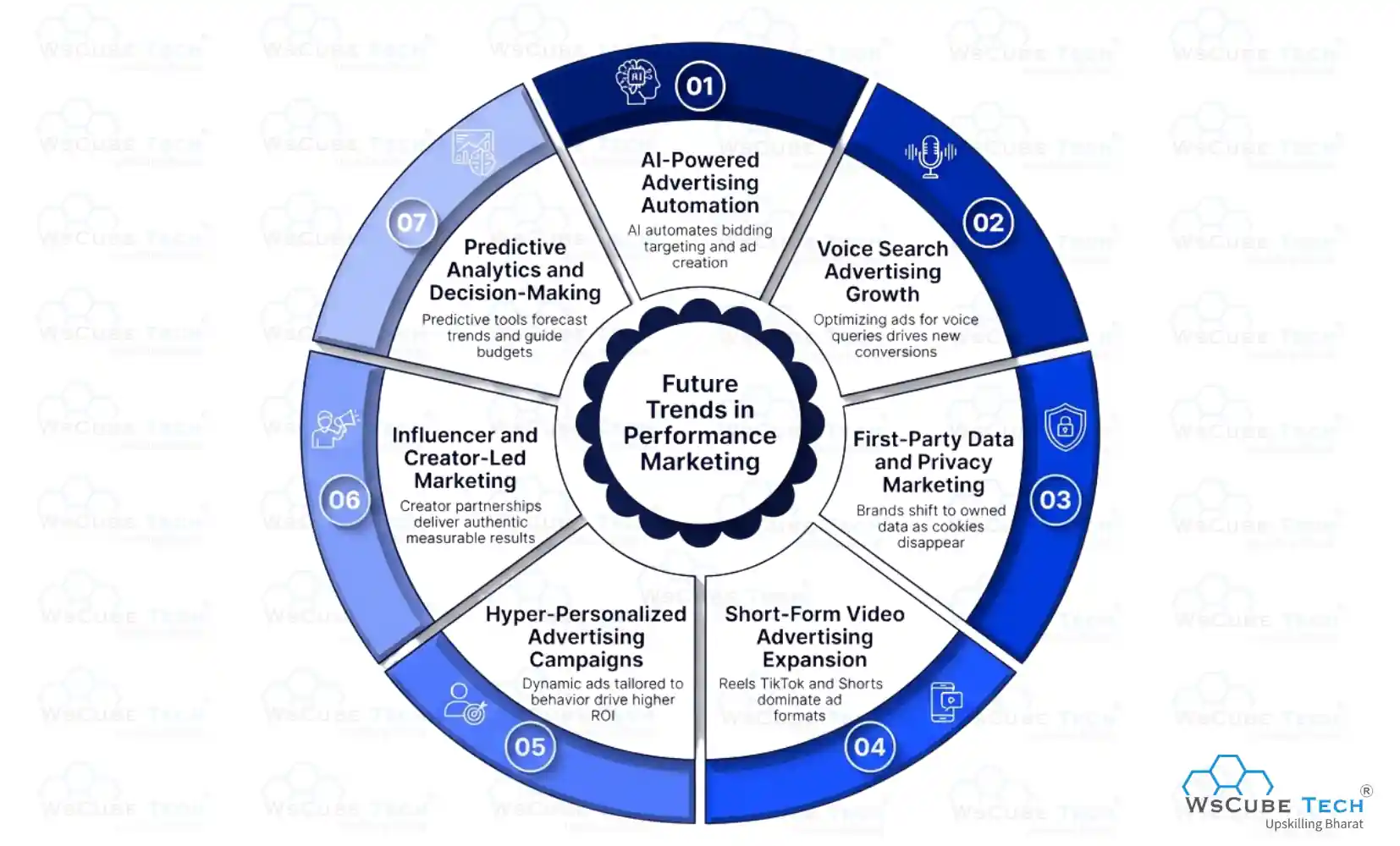
1. AI-Powered Advertising Automation: Artificial intelligence will automate audience targeting, bidding, ad creatives, and campaign optimization, helping marketers improve efficiency and generate better advertising performance consistently online.
2. Voice Search Advertising Growth: Increasing voice search usage will encourage businesses to optimize advertising campaigns for conversational keywords, voice assistants, and mobile-based customer search behavior effectively online.
3. First-Party Data and Privacy-Focused Marketing: Privacy regulations and cookie restrictions will increase the importance of first-party data collection, customer relationships, and consent-based marketing strategies for businesses globally today.
4. Short-Form Video Advertising Expansion: Platforms like Instagram Reels, YouTube Shorts, and TikTok will dominate advertising trends because short-form video content generates higher engagement and audience attention consistently.
5. Hyper-Personalized Advertising Campaigns: Advanced analytics and AI tools will help businesses deliver personalized advertisements based on user interests, behavior, preferences, and real-time customer interactions effectively online.
6. Influencer and Creator-Led Marketing Growth: Brands will increasingly collaborate with creators and influencers to build trust, improve engagement, and generate conversions through authentic audience-driven promotional campaigns successfully online.
7. Predictive Analytics and Smarter Decision-Making: Predictive analytics will help marketers forecast customer behavior, optimize budgets, and improve advertising strategies. Adapting trends is the best way to learn performance marketing.
FAQs About Learning Performance Marketing
Performance marketing is a digital advertising strategy where businesses pay only for measurable results like clicks, leads, sales, or conversions through online campaigns.
Most beginners can learn performance marketing basics within 2–3 months, but mastering campaign optimization and analytics usually requires continuous practical experience and learning.
Yes, performance marketing offers strong career growth, freelancing opportunities, high industry demand, and competitive salaries across startups, agencies, and global businesses today.
No, advanced coding skills are not mandatory, but basic understanding of tracking codes, analytics setup, and website functionality can improve campaign management significantly.
Beginners should start with Google Ads or Meta Ads because these platforms provide practical advertising experience, audience targeting knowledge, and campaign optimization understanding effectively.
The best way to learn performance marketing is by running real campaigns, understanding analytics, practicing optimization techniques, and continuously testing different advertising strategies regularly.
Yes, free resources like Google Skillshop, Meta Blueprint, HubSpot Academy, YouTube tutorials, and marketing blogs help beginners gain practical marketing knowledge effectively online.
Beginners can practice by creating personal projects, running small-budget campaigns, managing social media advertisements, or working on internships and freelance marketing projects online.
Important skills include analytics, copywriting, audience targeting, campaign optimization, creativity, communication, conversion tracking, and understanding advertising platforms professionally and practically online.
Start with digital marketing fundamentals, focus on one advertising platform, practice analytics, run real campaigns, and continuously improve skills through testing and optimization consistently.
Conclusion
Performance marketing is one of the fastest-growing digital skills with endless career and business opportunities in 2026. By following the right strategies, practicing real campaigns, and understanding analytics, beginners can build strong expertise successfully.
This step-by-step guide to learn performance marketing helps you develop practical skills, stay updated with industry trends, and create a successful long-term career in digital advertising.
Join Our On-Campus Digital Marketing Program
Explore Our Free Courses




Leave a comment
Your email address will not be published. Required fields are marked *Comments (0)
No comments yet.