
Lead generation tools play an important role for businesses that want to attract and convert potential customers. With so many tools available for different stages of the customer journey, it becomes important to understand how each one works.
In this guide, you’ll find a simple overview of 20 powerful lead generation tools, with key features. This will help you easily choose the right tools for your business and improve your lead generation results.
If you want to go beyond just generating leads and learn complete digital marketing, you can join our best online digital marketing course. In this course, you’ll learn SEO, PPC, social media marketing, content marketing, and more.
What Are Lead Generation Tools?
Lead generation tools are software or platforms that help businesses attract potential customers, collect their information, and convert them into leads. These tools simplify the process of finding the right audience and engaging them effectively. From forms and landing pages to email marketing and automation, they cover every step of the customer journey.
Using the right sales lead generation tools can save time, improve targeting, and increase conversions. They also provide valuable insights into user behavior, helping businesses make smarter decisions and grow faster. Overall, these tools play a key role in building a strong, consistent pipeline of high-quality leads.
Why Lead Generation Tools Are Essential for Businesses
Lead generation tools are essential for businesses because they help attract, capture, and convert potential customers efficiently. Without the right tools, managing leads can become time-consuming and unorganized. Using effective lead-generation tools for sales enables businesses to automate tasks, improve targeting, and increase conversions.
These tools also provide valuable data insights, helping companies understand customer behavior and make better decisions. A well-planned lead generation tools list helps businesses choose the right solutions for their needs. Overall, these tools save time, reduce effort, and create a consistent flow of high-quality leads for long-term business growth.
Key Features to Look for in Lead Generation Tools
Choosing the best lead generation tools helps businesses capture high-quality leads, improve conversions, streamline marketing efforts, and drive consistent growth.
1. Ease of Use: Choose a tool with a simple interface, easy navigation, and a minimal learning curve to help your team work efficiently daily.
2. Automation Features: Look for tools that offer automation, such as email sequences, lead scoring, and workflows, to save time and significantly improve overall productivity.
3. Integration Capability: Ensure the tool integrates seamlessly with CRM, email, and marketing tools to streamline processes and maintain consistent data flow.
4. Lead Quality and Targeting: Focus on tools that attract high-quality leads through advanced targeting options, ensuring consistent engagement, relevance, and higher conversion rates.
5. Analytics and Reporting: Select tools with detailed analytics and reporting features to track performance, measure success, and make smarter data-driven marketing decisions easily.
6. Customization Options: The tool should allow customization of forms, landing pages, and campaigns to align with your brand and deliver effective, personalized user experiences.
7. Scalability: Pick a solution that can grow with your business, handling increased lead volume without affecting performance, efficiency, or overall system reliability.
8. Pricing and Value: Compare pricing plans carefully and choose a tool that offers strong value by balancing features, performance, and affordability for long-term business growth.
Also Read: Lead Generation in Marketing & Sales: Detailed Guide With Strategies
Lead Generation Tools Types
There are many types of lead generation tools, each serving different purposes. Choose only those that meet your needs to effectively find, manage, and convert leads.
1. Lead Capture Tools
These tools help collect user information through forms, pop-ups, and landing pages. They are essential for turning website visitors into leads.
2. Email Marketing Tools
Email tools allow you to send targeted messages, nurture leads, and build strong relationships over time. Many lead gen tools include email automation features.
3. CRM Tools
Customer Relationship Management tools help you store, organize, and manage lead data efficiently. They play a key role in tracking interactions and improving follow-ups.
4. Social Media Lead Tools
These tools help you generate leads directly from platforms like Facebook, LinkedIn, and Instagram by running targeted campaigns and ads.
5. SEO and Content Tools
Content and SEO tools help attract organic traffic by improving your website's visibility on search engines, making them powerful lead generation software options.
6. Chatbots and Live Chat Tools
Chatbots engage visitors in real time, answer queries instantly, and guide them through the sales funnel, improving user experience and conversions.
7. Lead Management Tools
These tools help track, score, and prioritize leads, ensuring your sales team focuses on the most valuable prospects using lead generation management software.
Recommended Professional Certificates
AI-Powered Digital Marketing Course
Performance Marketing Bootcamp
SEO Specialist Bootcamp
20+ Best Lead Generation Tools (2026 List)
In 2026, businesses are using AI Lead Generation Tools to attract, manage, and convert high-quality leads faster with automation, smarter targeting, and efficiency.
1. HubSpot Marketing Hub
HubSpot is one of the most popular all-in-one tools for businesses that want to manage their entire lead generation process in one place. It helps you attract visitors, capture leads, and nurture them with emails and automation. Even beginners can use it easily because of its simple interface. It’s a great choice for businesses that want both marketing and CRM features together.
Key Features:
- Free CRM and lead management
- Email marketing automation
- Landing page builder
- Lead scoring and analytics
Pricing:
- Free plan available
- Paid plans start around $20–$45/month
Best For:
HubSpot Marketing Hub is best for small businesses and beginners who want an all-in-one tool for lead generation, marketing, and CRM.
2. LinkedIn Sales Navigator
LinkedIn Sales Navigator is ideal for businesses focused on professional networking and B2B sales. It helps you find the right people, connect with decision-makers, and build strong relationships. You can search for leads using advanced filters like job role, company size, and industry. This tool is especially helpful if your audience is active on LinkedIn.
Key Features:
- Advanced search filters
- Real-time insights on prospects
- InMail messaging
- Lead recommendations
Pricing:
- Starts around $79/month
Best For:
LinkedIn Sales Navigator is best suited for B2B businesses and sales professionals who want to find, connect with, and build relationships with decision-makers on LinkedIn.
3. Apollo.io

Apollo.io is a powerful tool for sales teams that want to automate their outreach and find leads quickly. It gives you access to a large contact database and helps you send emails at scale. You can also track performance and improve your campaigns over time. It’s a good option for startups and growing businesses.
Key Features:
- Email sequencing
- Contact database
- Sales automation
- Analytics dashboard
Pricing:
- Free plan available
- Paid plans start around $39/month
Best For:
Apollo.io is best for startups and sales teams that want to automate outreach and quickly find leads using a large contact database.
4. ZoomInfo
ZoomInfo is designed for businesses that need detailed and accurate B2B data. It offers a large database of companies and professionals, helping you find high-quality leads. The platform also provides insights into buyer intent, so you can reach out to people who are more likely to be interested in your product or service.
Key Features:
- B2B contact database
- Intent data tracking
- CRM integrations
- AI-powered insights
Pricing:
- Custom pricing (enterprise-level)
Best For:
ZoomInfo is best for large businesses and enterprise sales teams that need high-quality B2B data and intent insights to target the right prospects.
5. OptinMonster
OptinMonster is focused on converting website visitors into leads. It helps you create pop-ups, forms, and offers that grab attention and encourage users to take action. Even if someone is about to leave your website, this tool can display a targeted message to capture their interest and convert them into a lead.
Key Features:
- Exit-intent popups
- A/B testing
- Behavioral targeting
- Drag-and-drop builder
Pricing:
- Starts around $16/month
Best For:
OptinMonster is best for website owners and marketers who want to convert visitors into leads using pop-ups, forms, and targeted campaigns.
6. Hunter.io

Hunter.io is a simple yet effective tool for finding professional email addresses. It’s mainly used for outreach and connecting with potential leads through email. You can search by domain and quickly get verified email addresses. This makes it very useful for marketers, freelancers, and small businesses doing cold outreach.
Key Features:
- Email finder tool
- Email verification
- Domain search
- Simple interface
Pricing:
- Free plan available
- Paid plans start around $49/month
Best For:
Hunter.io is best for marketers, freelancers, and small businesses who want to find and verify professional email addresses for cold outreach.
7. Leadfeeder
Leadfeeder helps you understand who is visiting your website, even if they don’t fill out any forms. It shows you the companies behind your traffic and how they interact with your site. This gives you a chance to reach out to potential leads who have already shown interest in your business.
Key Features:
- Website visitor tracking
- Company identification
- CRM integration
- Lead scoring
Pricing:
- Starts around $79/month
Best For:
Leadfeeder is best for B2B businesses and marketers who want to identify website visitors and turn anonymous traffic into potential leads.
8. Snov.io

Snov.io is a comprehensive platform for finding leads and reaching them via email campaigns. It combines lead generation with email automation, making it easier to manage everything in one place. It’s especially useful for small teams that want a simple and affordable solution.
Key Features:
- Email drip campaigns
- Lead database
- Automation tools
- Email tracking
Pricing:
- Free plan available
- Paid plans start around $30/month
Best For:
Snov.io is best for sales teams, marketers, and agencies who want to find leads, verify emails, and automate cold email outreach on a single platform.
9. Lusha

Lusha is a handy tool for quickly finding contact details of potential leads. It works well with LinkedIn and helps you get accurate phone numbers and email addresses. Sales teams use it to save time and reach the right people faster without spending hours on research.
Key Features:
- Contact enrichment
- Browser extension
- CRM integration
- Data accuracy tools
Pricing:
- Starts around $29/month
Best For:
Lusha is best for sales teams and recruiters who want to find accurate phone numbers and email addresses for outreach quickly.
10. Mailchimp

Mailchimp is a beginner-friendly tool for managing email marketing and lead nurturing. It allows you to create campaigns, send automated emails, and easily track results. If you’re just starting with lead generation, Mailchimp is a simple and reliable option for building and engaging your audience.
Key Features:
- Email campaigns
- Automation workflows
- Audience segmentation
- Analytics and reports
Pricing:
- Free plan available
- Paid plans start around $13/month
Best For:
Mailchimp is best for beginners and small businesses who want to create email campaigns and nurture leads easily.
11. ActiveCampaign
ActiveCampaign is a powerful marketing automation tool that combines email marketing, CRM, and automation. It helps businesses create personalized customer journeys, automate follow-ups, and improve lead engagement with smart workflows and data-driven insights.
Key Features:
- Email automation
- CRM integration
- Customer segmentation
- Advanced analytics
Pricing:
- Starts around $29/month
Best For:
ActiveCampaign is best for small to mid-sized businesses that want advanced email automation and personalized lead nurturing.
12. GetResponse
GetResponse is an all-in-one marketing platform that offers email marketing, landing pages, and webinar tools. It helps businesses attract leads, build funnels, and nurture audiences through automated campaigns and interactive content.
Key Features:
- Email marketing
- Landing pages
- Webinars
- Marketing automation
Pricing:
- Free plan available
- Paid plans start around $19/month
Best For:
GetResponse is best for marketers and businesses looking for email marketing with webinar and funnel features.
13. ConvertKit
ConvertKit is a creator-focused email marketing platform designed for bloggers, YouTubers, and digital creators. It helps grow email lists, segment subscribers, and automate communication with simple yet effective tools.
Key Features:
- Email automation
- Landing pages
- Subscriber tagging
- Creator-focused tools
Pricing:
- Free plan available
- Paid plans start around $15/month
Best For:
ConvertKit is best for content creators and bloggers who want to grow and engage their audience.
14. Pipedrive
Pipedrive is a sales-focused CRM platform that helps teams manage leads and track deals through a visual pipeline. It simplifies the sales process, making it easier to organize tasks, follow up with prospects, and close deals efficiently.
Key Features:
- Sales pipeline management
- Lead tracking
- Automation
- Reporting tools
Pricing:
- Starts around $14/month
Best For:
Pipedrive is best for sales teams that want to manage leads and close deals faster.
15. Salesforce Sales Cloud
Salesforce Sales Cloud is a leading CRM platform used by businesses worldwide. It helps manage leads, automate workflows, and gain deep insights into customer behavior, making it easier to improve sales performance and conversions.
Key Features:
- Lead management
- AI-powered insights
- Automation tools
- Custom dashboards
Pricing:
Starts around $25/month
Best For:
Salesforce Sales Cloud is best suited for large businesses and enterprises that need advanced CRM and lead management solutions.
16. Drift
Drift is a conversational marketing platform that uses chatbots and live chat to engage website visitors in real-time. It helps businesses qualify leads instantly and book meetings without delays, improving conversion rates.
Key Features:
- Live chat
- Chatbots
- Lead qualification
- Meeting scheduling
Pricing:
- Custom pricing
Best For:
Drift is best for businesses that want to engage website visitors instantly and capture leads via chat.
17. Intercom
Intercom is a customer messaging platform that allows businesses to communicate with users through chat, bots, and personalized messages. It helps improve engagement, support, and lead generation on a single platform.
Key Features:
- Live chat
- Automation bots
- Customer segmentation
- Messaging campaigns
Pricing:
- Starts around $39/month
Best For:
Intercom is best for businesses that want to engage users and generate leads through real-time conversations.
18. Typeform
Typeform is an interactive form builder that helps businesses create engaging surveys, quizzes, and lead capture forms. Its user-friendly design improves response rates and makes data collection more effective.
Key Features:
- Interactive forms
- Surveys and quizzes
- Custom design
- Integrations
Pricing:
Free plan available
Paid plans start around $25/month
Best For:
Typeform is best for marketers and businesses wanting engaging forms to capture leads.
19. Leadpages
Leadpages is a landing page builder that helps businesses create high-converting pages without coding. It offers templates and tools designed to turn visitors into leads quickly and efficiently.
Key Features:
- Landing page builder
- Conversion tools
- Templates
- A/B testing
Pricing:
- Starts around $37/month
Best For:
Leadpages is best for small businesses and marketers who want to create landing pages that convert visitors into leads.
20. Unbounce
Unbounce is a conversion-focused platform that helps businesses build landing pages and optimize campaigns. It uses AI-powered tools and testing features to improve lead generation and maximize conversions.
Key Features:
- Landing page builder
- AI optimization
- A/B testing
- Popups and sticky bars
Pricing:
- Starts around $99/month
Best For:
Unbounce is best for marketers and agencies that want to optimize campaigns and increase lead conversions.
Upcoming Masterclass
Attend our live classes led by experienced and desiccated instructors of Wscube Tech.



Popular Lead Generation Tools (Comparison)
Comparing popular lead generation tools helps businesses evaluate features, pricing, automation, and usability, while analyzing different lead generation software helps them choose the right solution for better conversions and growth. Present here are all sorts of comparisons that you must consider:
Features Comparison Table:
A features comparison table helps you quickly analyze and compare different tools based on their key functionalities, making it easier to choose the right solution.
| Tool | CRM | Email Marketing | Automation | Lead Database | Landing Pages | Chat/Forms | Analytics |
| HubSpot Marketing Hub | ✔️ | ✔️ | ✔️ | ❌ | ✔️ | ✔️ | ✔️ |
| LinkedIn Sales Navigator | ❌ | ❌ | ✔️ | ✔️ | ❌ | ❌ | ✔️ |
| Apollo.io | ✔️ | ✔️ | ✔️ | ✔️ | ❌ | ❌ | ✔️ |
| ZoomInfo | ✔️ | ❌ | ✔️ | ✔️ | ❌ | ❌ | ✔️ |
| OptinMonster | ❌ | ❌ | ✔️ | ❌ | ✔️ | ✔️ | ✔️ |
| Hunter.io | ❌ | ❌ | ✔️ | ✔️ | ❌ | ❌ | ✔️ |
| Leadfeeder | ✔️ | ❌ | ✔️ | ✔️ | ❌ | ❌ | ✔️ |
| Snov.io | ✔️ | ✔️ | ✔️ | ✔️ | ❌ | ❌ | ✔️ |
| Lusha | ❌ | ❌ | ❌ | ✔️ | ❌ | ❌ | ✔️ |
| Mailchimp | ✔️ | ✔️ | ✔️ | ❌ | ✔️ | ✔️ | ✔️ |
Pricing Comparison:
This pricing comparison of lead generation tools helps businesses evaluate costs, free plans, and affordability to choose the most budget-friendly solution.
| Tool | Free Plan | Starting Price | Pricing Type |
| HubSpot Marketing Hub | Yes | $20–$45/month | Subscription |
| LinkedIn Sales Navigator | No | $79/month | Subscription |
| Apollo.io | Yes | $39/month | Subscription |
| ZoomInfo | No | Custom Pricing | Enterprise |
| OptinMonster | No | $16/month | Subscription |
| Hunter.io | Yes | $49/month | Subscription |
| Leadfeeder | No | $79/month | Subscription |
| Snov.io | Yes | $30/month | Subscription |
| Lusha | No | $29/month | Subscription |
| Mailchimp | Yes | $13/month | Subscription |
| ActiveCampaign | No | $29/month | Subscription |
| GetResponse | Yes | $19/month | Subscription |
| ConvertKit | Yes | $15/month | Subscription |
| Pipedrive | No | $14/month | Subscription |
| Salesforce Sales Cloud | No | $25/month | Subscription |
| Drift | No | Custom Pricing | Enterprise |
| Intercom | No | $39/month | Subscription |
| Typeform | Yes | $25/month | Subscription |
| Leadpages | No | $37/month | Subscription |
| Unbounce | No | $99/month | Subscription |
Pros and Cons Breakdown of Lead Generation Tools
Understanding the advantages and limitations of lead generation tools helps businesses choose the right platform based on their goals, budget, and workflow needs. Here’s a clear breakdown:
Pros of Lead Generation Tools
1. Automation Saves Time
Most tools automate repetitive tasks like email campaigns, follow-ups, and lead tracking, allowing teams to focus more on strategy and conversions.
2. Better Lead Targeting
Advanced filters, AI insights, and segmentation help businesses target the right audience, improving lead quality and increasing conversion rates.
3. Improved Efficiency & Productivity
With everything in one place—CRM, analytics, and communication—teams can manage leads faster and work more efficiently.
4. Data-Driven Decisions
Analytics and reporting features provide valuable insights into campaign performance, helping businesses optimize strategies and improve ROI.
5. Scalability for Growth
These tools grow with your business, making it easier to handle increasing lead volume and expand your marketing efforts.
Cons of Lead Generation Tools
1. High Cost for Advanced Features
Many powerful tools offer limited free plans, and advanced features can be expensive, especially for startups and small businesses.
2. Learning Curve for Beginners
Some platforms have complex dashboards and require time to understand and use effectively.
3. Data Accuracy Issues
Not all tools provide 100% accurate or updated data, which can affect outreach results and campaign performance.
4. Integration Challenges
Integrating tools with existing systems, such as CRM or marketing platforms, can sometimes be difficult or require technical support.
5. Over-Reliance on Automation
Excessive automation can make communication feel less personal, which may reduce engagement with potential leads.
Expand Your Marketing Skills
How to Choose the Right Lead Generation Tool?
Choosing the right lead generation tool helps businesses capture quality leads, streamline processes, improve targeting, and boost overall marketing and sales performance.
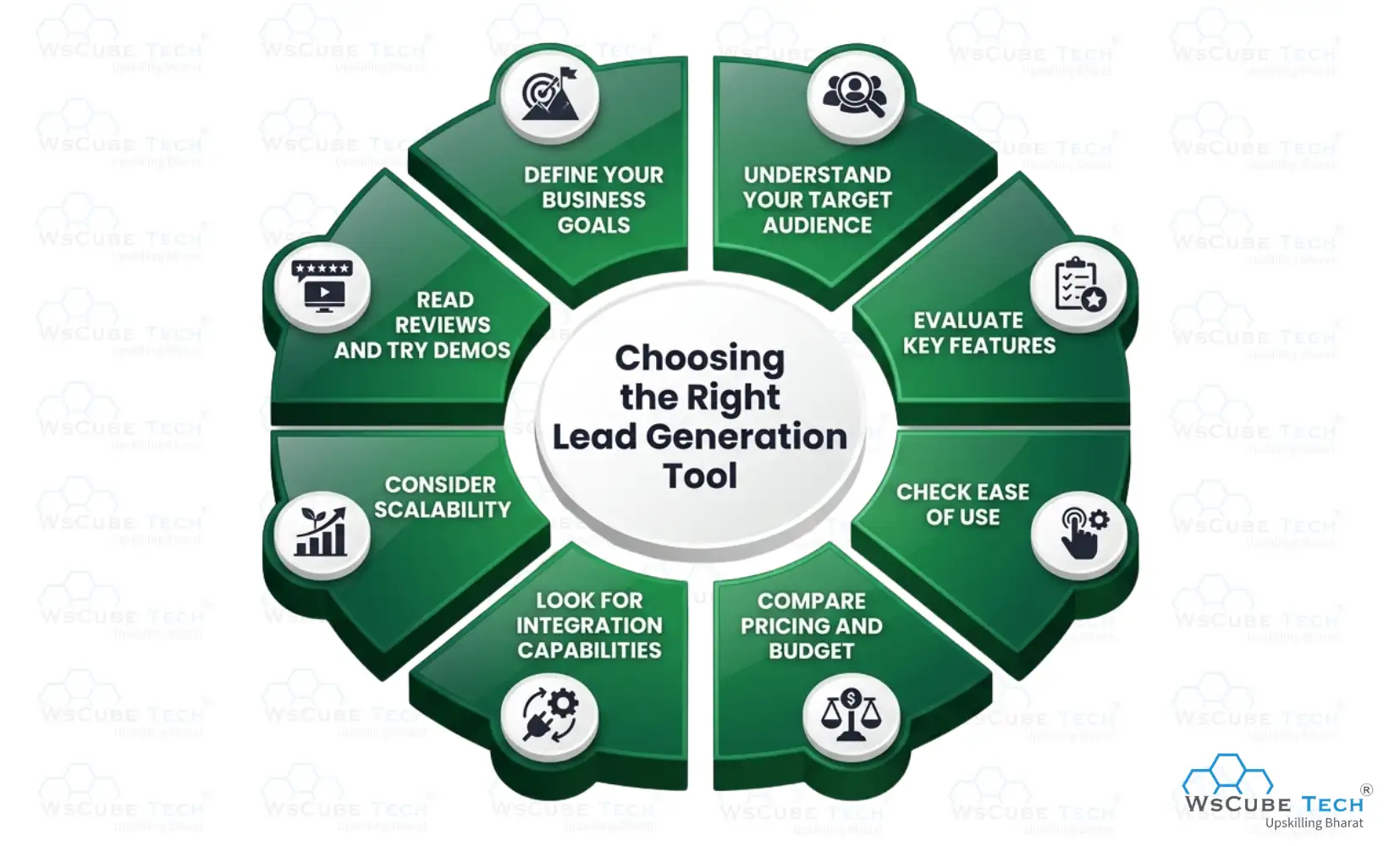
- Define Your Business Goals: Clearly identify whether you need lead capture, email marketing, CRM, or automation. Choosing a tool aligned with your goals ensures better performance and higher return on investment.
- Understand Your Target Audience: Select tools based on where they spend their time. B2B audiences prefer professional platforms, while B2C audiences respond better to emails, landing pages, and engaging forms.
- Evaluate Key Features: Look for essential features such as automation, CRM integration, analytics, and lead capture. The right combination of features ensures smooth lead generation and management processes.
- Check Ease of Use: A user-friendly interface is important, especially for beginners. Tools with simple dashboards and easy navigation save time and reduce the learning curve for your team.
- Compare Pricing and Budget: Carefully analyze free and paid plans. Choose a tool that offers the best value for money, fits your budget, and provides the necessary features for your business.
- Look for Integration Capabilities: Ensure the tool integrates well with your existing systems, such as your CRM, email platforms, and analytics tools, to create a seamless workflow and avoid technical issues.
- Consider Scalability: Choose a tool that can grow with your business. It should handle increasing leads, offer advanced features, and support expansion without requiring frequent tool changes.
- Read Reviews and Try Demos: Check user feedback and test tools through free trials. This helps you understand actual performance and usability, and whether the tool meets your expectations before investing.
Strategies to Maximize Lead Generation Tools
Presented here are some of the finest strategies to help you maximize the use of lead generation tools and get the most out of them.
1. Use Automation Effectively
Leverage automation to handle repetitive tasks like follow-ups, email campaigns, and lead nurturing. Using lead generation management software helps streamline processes and improve efficiency.
2. Focus on Quality Over Quantity
Target the right audience instead of generating random leads. High-quality leads increase conversion rates and ensure better return on investment for your marketing efforts.
3. Optimize Landing Pages and Forms
Create engaging and user-friendly landing pages with clear CTAs. Simple forms and attractive designs encourage users to take action and share their details.
4. Track and Analyze Performance
Use analytics and lead generation tracking software to monitor campaigns. Regular analysis helps identify what works best and allows you to improve strategies for better results.
5. Personalize Communication
Send personalized emails and messages based on user behavior and interests. This improves engagement and builds stronger relationships with potential customers.
Integrate Tools for Better Workflow
Connect your tools with CRM, email platforms, and analytics systems. Integration ensures smooth data flow and better lead management across all channels.
6. Test and Optimize Campaigns
Run A/B tests on emails, landing pages, and ads. Continuous testing helps you refine your strategies and maximize lead generation performance over time.
Level Up Your Career with Our Top Marketing Courses
Common Mistakes to Avoid When Using Lead Generation Tools
When using lead generation tools effectively, one must focus on avoiding common mistakes. Consider the mistakes below and avoid them to get the best results.
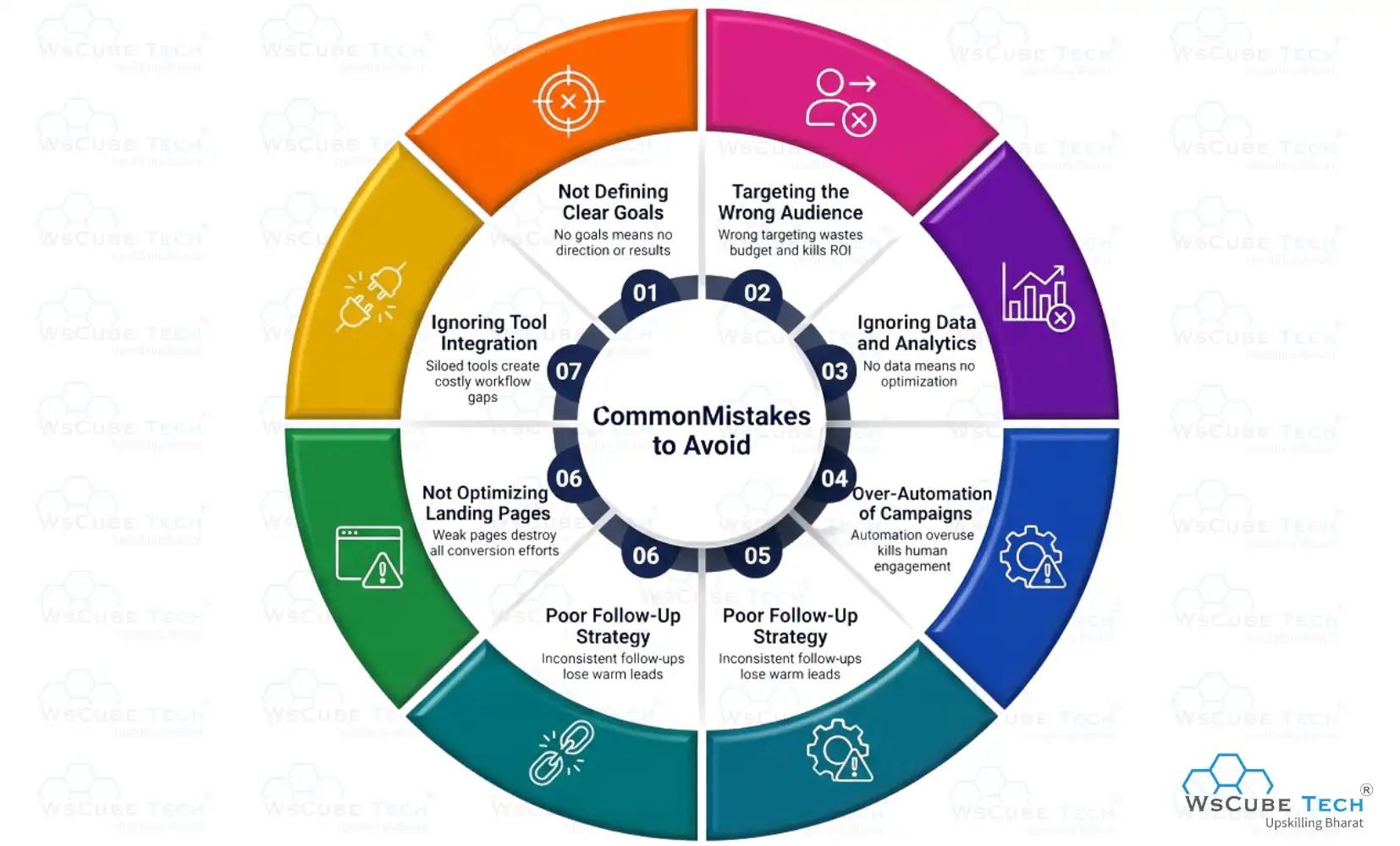
- Not Defining Clear Goals: Using tools without clear objectives can waste time and resources. Always align your strategy with business goals when choosing from a list of lead generation tools list.
- Targeting the Wrong Audience: Focusing on a broad or irrelevant audience reduces lead quality. Proper targeting ensures better engagement and improved conversions from your campaigns.
- Ignoring Data and Analytics: Failing to track performance can lead to poor decisions. Always analyze metrics to understand what’s working and optimize your strategies accordingly.
- Over-Automation of Campaigns: Excessive automation can make communication feel robotic. Balance automation with personalization to improve engagement when using lead generation tools for sales.
- Poor Follow-Up Strategy: Delayed or inconsistent follow-ups can result in lost opportunities. Timely and consistent communication is key to converting leads into customers.
- Not Optimizing Landing Pages: Weak or complicated landing pages reduce conversions. Ensure clear messaging, simple forms, and strong CTAs to capture leads effectively.
- Ignoring Tool Integration: Failing to integrate tools with CRM or marketing platforms can create workflow issues. Seamless integration improves efficiency and leads management.
Future Trends in Lead Generation Tools
The future of lead generation tools is becoming smarter, faster, and more focused on real results. Below are some of the key trends you should know to move forward effectively.
- AI-Powered Automation: Artificial intelligence will play a bigger role in automating tasks, predicting user behavior, and improving targeting, making lead gen tools smarter and more efficient.
- Advanced Personalization: Future tools will focus on hyper-personalized experiences by analyzing user data, helping businesses deliver more relevant messages and improve engagement with potential leads.
- Voice and Conversational Marketing: Chatbots, voice assistants, and real-time messaging will continue to grow, allowing businesses to interact with users instantly and capture leads more effectively.
- Better Data Privacy and Compliance: With increasing data regulations, lead generation tools will offer improved security, transparency, and compliance features to protect user data and build trust.
- Integration with Multiple Platforms: Tools will become more interconnected, integrating seamlessly with CRM, social media, and marketing platforms to create a unified, seamless workflow.
- Predictive Analytics: Advanced analytics will help businesses predict which leads are more likely to convert, enabling smarter decision-making and better campaign performance.
- Focus on Quality Leads: The future will shift from quantity to quality, with tools prioritizing high-intent leads to improve conversion rates and overall marketing effectiveness.

FAQs About Lead Generation Tools
Lead generation tools help businesses find, attract, and convert potential customers into leads using data, automation, and marketing strategies.
They help businesses target the right audience, automate tasks, and improve conversions in a competitive market using AI and data-driven insights.
Beginner-friendly tools include HubSpot, Mailchimp, and Snov.io as they offer simple dashboards and easy-to-use features.
Yes, free tools are useful for basic needs like capturing and managing leads, but they offer fewer features than paid tools.
AI tools analyze user behavior, predict intent, and automate outreach to find high-quality leads and improve targeting.
Look for automation, CRM integration, data accuracy, analytics, and easy workflow management for better results.
Yes, many tools are designed for small businesses with affordable plans and simple features to help them grow.
Inbound attracts customers through content and SEO, while outbound reaches out directly through emails, calls, or ads.
Focus on targeting the right audience, using data insights, and personalizing communication instead of generating random leads.
Yes, they save time, improve efficiency, and increase conversions, making them valuable for long-term business growth.
Conclusion
Lead generation tool shave become essential for businesses that want to grow faster and smarter in today’s competitive market. From free lead gen tools for beginners to advanced AI-powered platforms, these solutions help streamline the entire process, from capturing leads to converting them into customers.
In 2026, trends like automation, real-time data, and AI-driven personalization are shaping the future of lead generation. Businesses that focus on quality leads, smart targeting, and consistent follow-ups will achieve better results. Choosing the right tool based on your goals can help you stay ahead and build a strong, scalable growth strategy.
Explore Our Free Courses
| Semrush Course | GTM Course | Blogging Course |
| Email Marketing Course | Video Editing Course | Affiliate Marketing Course |
Join Our On-Campus Digital Marketing Program






Leave a comment
Your email address will not be published. Required fields are marked *Comments (0)
No comments yet.