

Data science is one of the fastest-growing career fields today, attracting students and professionals from different backgrounds due to its high salaries and strong demand. Because of these opportunities, many people are eager to start learning data science and build a career in this field.
However, a common question that often comes to mind is, “Is data science hard to learn?” The answer depends on your skills, mindset, and learning approach. Data science involves programming, statistics, and data analysis, which may feel challenging at the beginning, especially for beginners.
But the good news is that with the right guidance, consistent practice, and a step-by-step approach, it becomes much easier to understand. Let’s learn the key reasons why data science feels difficult, the essential skills required, and simple ways to make your learning journey easier and more effective.
What is Data Science?
Data science is a field that involves collecting, analyzing, and interpreting data to extract useful insights and support decision-making. It combines programming, statistics, and domain knowledge to work with structured and unstructured data. Businesses use data science to understand trends, improve performance, and make better decisions using data-driven approaches.
Process of Data Science
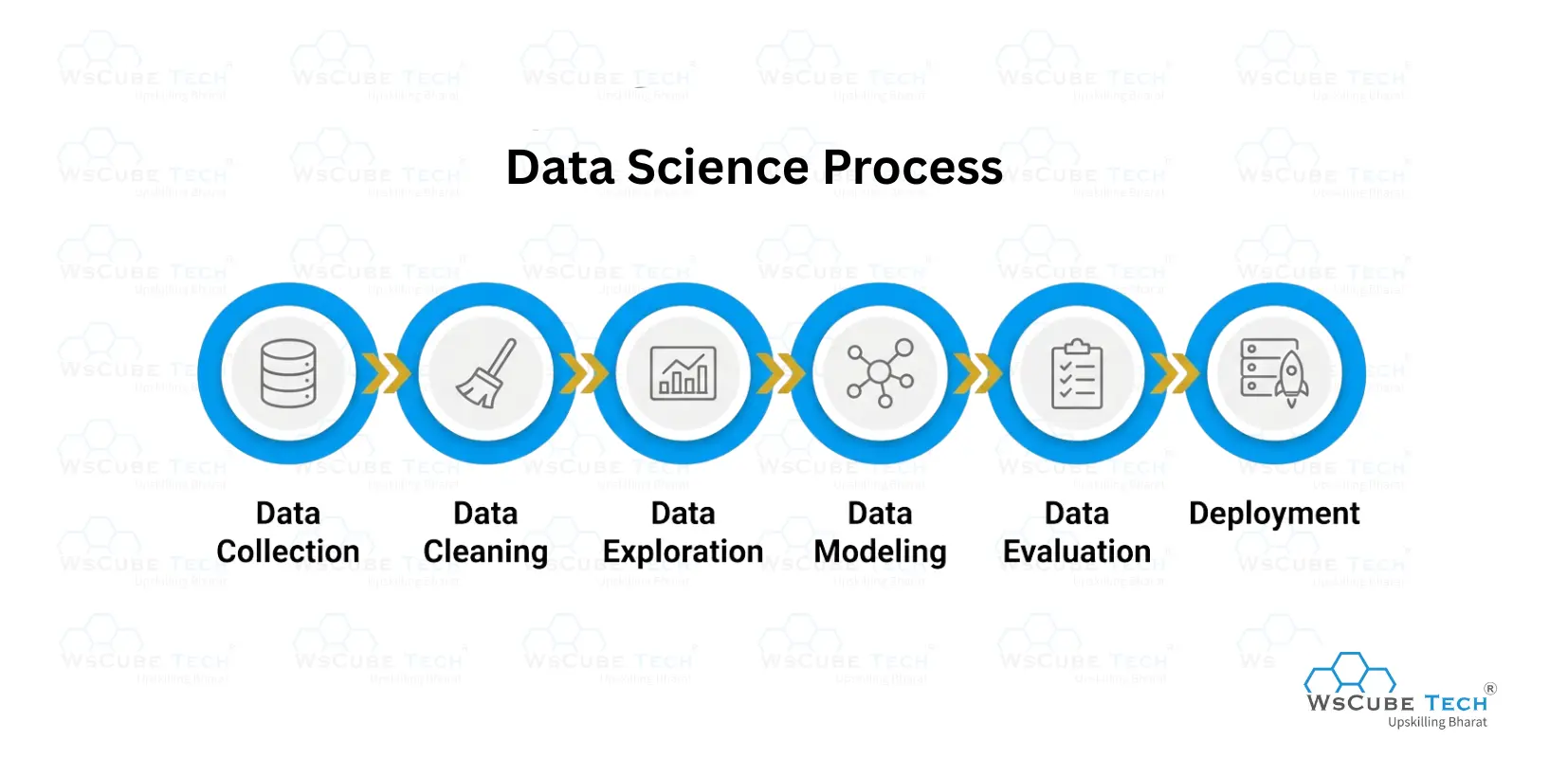
- Data Collection: Collecting data from sources like databases, APIs, or files.
- Data Cleaning: Fixing errors, handling missing values, and preparing data for analysis.
- Data Exploration: Analyzing data to understand patterns and relationships.
- Data Modeling: Using algorithms to build predictive models.
- Data Evaluation: Testing the model to check its accuracy and performance.
- Deployment: Applying the model in real-world scenarios to solve problems.
Also read: Data Science Course Eligibility: After 12th, Graduation & More
Is Data Science Hard to Learn?
Data science is not too hard to learn if you follow the right approach, but it is not very easy either. It requires learning multiple skills like programming, statistics, and data analysis, which can feel challenging at the beginning. However, you don’t need to master everything at once; starting step by step makes the process much easier.
For beginners, the difficulty depends on their background. If you already have knowledge of math or coding, learning data science becomes faster. But even if you are from a non-technical background, you can still learn it with consistent practice and the right resources.
Overall, data science may seem difficult at first, but with proper guidance, hands-on projects, and regular practice, it becomes manageable. With time and effort, anyone can build the skills needed to become a data scientist.
Recommended Professional Certificates
Data Analytics Mentorship Program
Data Science & AI Mentorship Program
Why Data Science Feels Difficult to Study
Data science can feel difficult because it involves multiple skills, tools, and concepts together. Beginners often struggle to manage everything at once and stay consistent. Below are some key reasons:
Programming Complexity
Learning programming languages like Python or R can be challenging for beginners, especially without a coding background. Understanding logic, syntax, and problem-solving takes time and regular practice.
Mathematics & Statistics
Understanding concepts like probability, distributions, and statistical methods can be difficult, particularly for learners who are not comfortable with mathematics fundamentals.
Too Many Tools & Technologies
There are many tools like Python libraries, SQL, and visualization software to learn. This wide range of technologies can overwhelm beginners and make the learning process seem complicated.
Continuous Learning Requirement
Data science is an evolving field where new tools and techniques keep emerging. Learners need to continuously update their skills, which can feel challenging and time-consuming.
Explore our Roadmap Blogs
Factors That Affect Learning Difficulty in Data Science
The difficulty of learning data science varies from person to person based on background, skills, and dedication. These factors influence how quickly and easily you can learn. Below are some factors:
Educational Background
Your educational background plays an important role in learning data science. Students from technical, engineering, or mathematics fields often find concepts easier to understand, while non-technical learners may need more time, effort, and consistent practice to grasp fundamentals.
Technical Skills
Basic knowledge of programming and tools makes learning data science smoother. Without technical skills, beginners may face challenges in understanding coding, tools, and data-related concepts initially.
Learning Approach
A structured and step-by-step learning approach can make data science easier to understand. Random or unplanned learning often creates confusion and slows down your overall progress.
Practice & Consistency
Regular practice and consistency are essential to master data science. Without hands-on projects and continuous learning, it becomes difficult to understand concepts clearly and build strong real-world problem-solving skills.
Is Data Science Hard for Beginners?
Data science can feel challenging for beginners, especially if you do not have a background in programming or mathematics. Learning skills like coding, statistics, and data analysis together can seem confusing and overwhelming in the beginning, making it harder to understand concepts quickly.
However, with a structured learning approach, beginner-friendly resources, and regular practice, it becomes much easier to learn. Starting with basic concepts and moving step by step to advanced topics helps build confidence and improves understanding over time.
If you want a step-by-step roadmap to become a data scientist, you can follow our data scientist roadmap for a clear and practical learning path.
Data Science Learning Roadmap
Can You Learn Data Science Without Coding?
Yes, you can start learning data science without coding, especially at the beginner level. You can use tools like Excel, Power BI, or Tableau to understand basic data analysis and visualization concepts without writing code.
These tools help you learn how to work with data, create reports, and gain insights, which are important skills in data science. This makes it easier for beginners to enter the field without feeling overwhelmed by programming at the start.
However, for advanced tasks like machine learning, data manipulation, and automation, coding skills become important. Learning languages like Python or R will help you grow faster and build stronger data science skills over time.
Is Data Science Hard for Non-Technical Students?
Data science can feel challenging for non-technical students at the beginning, especially without prior knowledge of programming or mathematics. Concepts like coding, statistics, and data handling may seem new and slightly difficult to understand at first.
However, it is completely manageable with the right learning approach. By starting with basic concepts, using beginner-friendly resources, and learning step by step, non-technical students can gradually build their understanding and confidence.
With regular practice and hands-on projects, non-technical learners can develop strong data science skills over time. Many successful data scientists come from non-technical backgrounds, proving that consistency and the right guidance make a big difference.
Recommended Professional Certificates
Data Analytics Mentorship Program
Data Science & AI Mentorship Program
Skills Required to Learn Data Science Easily
To learn data science easily, you need a mix of technical skills and soft skills that help you work with data, analyze it, and build useful solutions effectively. Below are the key skills:
Technical Skills
- Programming (Python/R): Helps you write code to analyze data, automate tasks, and build data science models efficiently.
- Statistics & Probability: Used to understand data patterns, make predictions, and apply statistical methods for accurate decision-making.
- Data Analysis: Involves cleaning, organizing, and exploring data to extract meaningful insights and solve real-world problems.
- Data Visualization: Helps present data using charts and graphs, making it easier to understand trends and communicate results clearly.
- Machine Learning Basics: Enables you to build models that learn from data and make predictions or classifications automatically.
- SQL (Database Management): Used to retrieve, manage, and manipulate data stored in databases efficiently, which is essential for handling large datasets.
Soft Skills
- Problem-Solving Skills: Helps you identify issues, analyze data logically, and find effective solutions to real-world problems.
- Critical Thinking: Allows you to evaluate data, question assumptions, and make better decisions based on insights.
- Communication Skills: Helps you explain complex data findings in a simple and clear way to non-technical stakeholders.
- Curiosity & Learning Mindset: Encourages you to explore new tools, techniques, and trends in data science, helping you stay updated in this evolving field.
- Attention to Detail: Helps maintain accuracy while analyzing data and reduces the chances of errors that could impact results and decision-making.
- Time Management skills: Helps you manage projects, meet deadlines, and stay productive while working on multiple tasks.
How to Make Data Science Easier to Learn?
After understanding whether data science is easy or hard, you can follow some simple strategies to make the learning process easier and more effective.
Start with Basics
Begin with fundamental concepts like programming, basic statistics, and data handling. Building a strong foundation helps you understand advanced topics more easily without confusion.
Follow a Step-by-Step Approach
Learn data science in a structured, planned way rather than jumping between topics at random. Following a clear data science roadmap helps you stay focused, avoid confusion, and build your knowledge in a more organized manner.
Practice with Real Projects
Building and working on real-life projects allows you to put your knowledge into action. It deepens your understanding, boosts confidence, and helps you gain practical experience needed for real data science tasks.
Use Beginner-Friendly Tools
Start with simple and easy-to-use tools like Excel, basic Python libraries, or data visualization tools. These beginner-friendly tools help you understand core concepts clearly and reduce confusion, making the learning process smoother and less overwhelming in the early stages.
Stay Consistent and Practice Daily
Consistency is key in learning data science. Practicing regularly, even for a short time each day, helps you retain concepts better and gradually improve your skills.
Also read: Full Stack Developer vs Data Scientist: Which Career is Better?
How Long Does It Take to Learn Data Science?
The time required to learn data science depends on your background, learning speed, and consistency. With a structured approach and regular practice, you can build strong skills over time.
| Level | Time Required | What You Learn |
| Beginner | 3–6 Months | Basics of Python, statistics, data analysis, and simple visualization |
| Intermediate | 6–12 Months | Data manipulation, advanced visualization, and introduction to machine learning |
| Advanced | 12–18 Months | Machine learning models, deep learning basics, and real-world project experience |
| Job-Ready | 12–24 Months | Strong portfolio, hands-on projects, and practical industry-level problem solving |
The timeline may vary for each learner, but consistent practice, real projects, and the right guidance can help you learn faster and become job-ready efficiently.
If you are interested in learning data science in a structured way, you can join our online data science course, where you work on real datasets, build machine learning models, and deploy AI applications to fast-track your career in just 20 weeks.
Common Mistakes to Avoid While Learning Data Science
Below are some mistakes that beginners often make while learning data science, which can slow down their progress and create confusion during the learning process:
- Skipping Basics: Many learners jump directly to advanced topics without understanding fundamentals like programming and statistics, which creates confusion and makes it difficult to understand complex data science concepts later.
- Not Practicing Enough: Only focusing on theory without practicing on datasets or projects limits your understanding and makes it harder to apply concepts in real-world data science problems effectively.
- Learning Too Many Tools at Once: Trying to learn multiple tools and technologies together can overwhelm beginners. It is better to focus on one tool at a time to build a strong foundation.
- Avoiding Mathematics and Statistics: Ignoring core concepts like statistics and probability can limit your ability to analyze data properly and build accurate machine learning models.
- Lack of Consistency: Learning data science irregularly or without a proper schedule slows down progress. Consistent learning and practice are essential to build strong and long-lasting skills.
- Not Working on Real Projects: Avoiding real-world projects reduces practical exposure. Without hands-on experience, it becomes difficult to understand how data science is applied in real situations.
Upcoming Masterclass
Attend our live classes led by experienced and desiccated instructors of Wscube Tech.

Benefits of Learning Data Science
Below are the benefits that make data science a valuable and rewarding skill to learn for students and professionals in today’s data-driven world:
- High Demand Career: Data science professionals are in high demand across industries, creating many job opportunities and offering strong career growth with increasing need for data-driven decision making.
- Attractive Salary: Data scientists earn competitive salaries due to their specialized skills, making it one of the highest-paying career options in the technology and analytics domain.
- Diverse Career Options: Learning data science opens multiple career paths such as data analyst, machine learning engineer, and business analyst across various industries and domains.
- Improves Problem-Solving Skills: Data science enhances your ability to analyze complex problems, think logically, and find data-driven solutions using structured approaches and analytical techniques.
- Global Career Opportunities: Data science skills are in demand worldwide, enabling professionals to pursue international roles and collaborate with global companies across industries.
- Continuous Learning Growth: Data science is constantly evolving with new tools and methods, encouraging ongoing learning and helping you stay current with industry developments.
Career Opportunities in Data Science
Below are career options you can explore after learning data science, with strong growth and high demand across various industries:
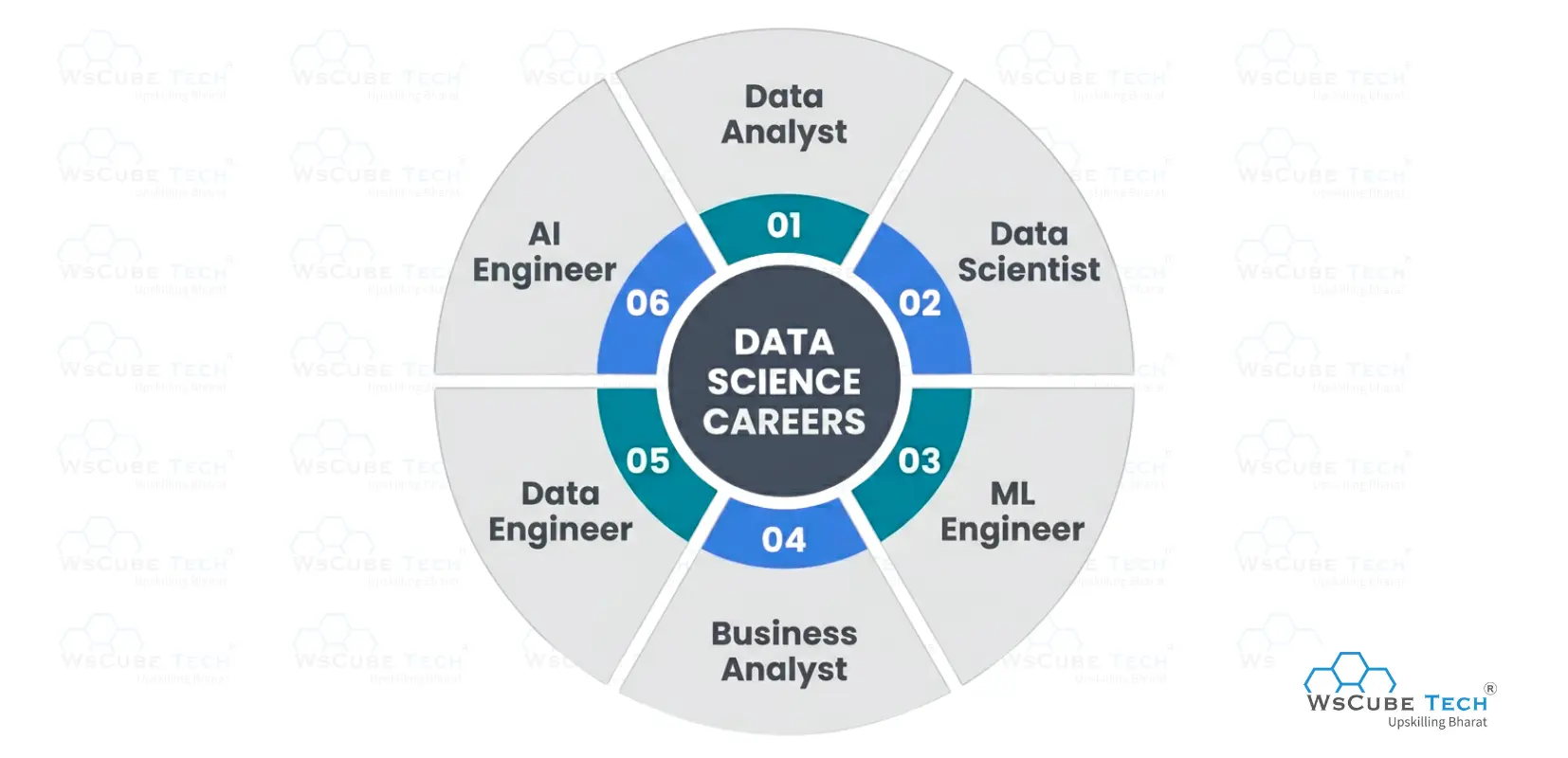
- Data Analyst: Focuses on collecting, cleaning, and analyzing data to identify trends, generate reports, and support organizations in making informed business decisions using meaningful insights.
- Data Scientist: Works with complex and large datasets to analyze patterns, build predictive models, and apply machine learning techniques. They help solve business problems by generating actionable insights that support better decision-making and drive growth.
- Machine Learning Engineer: Designs, develops, and deploys machine learning models, improves algorithms, and creates systems that learn from data and enhance performance over time.
- Business Analyst: Uses data to evaluate business performance, identify problems, and suggest improvements, helping organizations make better strategic decisions and improve efficiency.
- Data Engineer: Builds and manages data pipelines, ensures data quality, and prepares large datasets for analysis, enabling efficient data processing and smooth data workflows.
- AI Engineer: Develops intelligent systems using artificial intelligence, including deep learning and automation. Builds applications that perform tasks with minimal human intervention, improving efficiency, accuracy, and decision-making across industries and real-world applications.
Also Read: Data Analyst vs. Data Scientist: Key Differences & Comparison
Start Learning With Our Free Tutorials
| Python Tutorial | Java Tutorial | JS Tutorial |
| C Tutorial | C++ Tutorial | HTML Tutorial |
| CSS Tutorial | SQL Tutorial | DSA Tutorial |
FAQs About Is Data Science Hard
Data science can feel challenging for beginners due to multiple skills like coding and statistics. However, with structured learning, consistent practice, and beginner-friendly resources, it becomes easier to understand over time.
Learning data science typically takes 6 to 12 months for basics and around 12 to 24 months to become job-ready, depending on your background, learning pace, and consistency.
Coding is not required at the beginner stage, but it becomes essential later. Learning programming languages like Python or R helps in data analysis, automation, and building machine learning models.
Yes, non-technical students can learn data science by starting with basics and following a structured roadmap. With regular practice and the right resources, they can build strong skills over time.
To become a data scientist, you need skills like programming, statistics, data analysis, machine learning, and data visualization, along with problem-solving and communication skills for effective decision-making.
Basic mathematics and statistics are important in data science for understanding data patterns and building models. Advanced math is not always required, but strong fundamentals help improve learning and accuracy.
Python is considered the best programming language for data science due to its simplicity and powerful libraries. R is also useful, especially for statistical analysis and data visualization tasks.
Yes, you can learn data science at home for free. You can start with our free 27-hour complete data science course on YouTube, which covers all essential concepts step by step in a beginner-friendly way.
Popular tools in data science include Python, R, SQL, Excel, Tableau, Power BI, and machine learning libraries like Pandas, NumPy, and Scikit-learn for data analysis and visualization.
Yes, data science remains a strong career option in 2026 due to increasing demand across industries, high salaries, and growing importance of data-driven decision-making in businesses worldwide.
The average salary of a data scientist in India ranges from ₹6 LPA to ₹15 LPA, depending on experience, skills, company, and location, with higher packages for experienced professionals.
Start learning data science by understanding basics of programming and statistics, then move to data analysis and machine learning. Follow a roadmap, practice regularly, and work on real-world projects.
Practice Coding With Our Free Compilers
| Online Python Compiler | Online HTML Compiler | Online C Compiler |
| Online C++ Compiler | Online JS Compiler | Online Java Compiler |
Conclusion
Data science may seem challenging at the beginning, but it becomes easier with the right approach, consistent practice, and a clear learning path. If you are wondering is data science hard to study, the answer is that it depends on your mindset and dedication.
By focusing on basics, learning step by step, and working on real projects, you can gradually build your skills and confidence. With time and effort, data science becomes manageable and opens doors to exciting career opportunities.




Leave a comment
Your email address will not be published. Required fields are marked *Comments (0)
No comments yet.