
Data analytics has become one of the most in-demand career options in 2026. As companies rely more on data to make smart business decisions, many beginners are asking a common question: Is data analytics hard to learn? If you are planning to enter this field, it is completely normal to feel curious or even unsure about where to begin.
You might wonder whether you need advanced mathematics, strong programming skills, or a technical degree to succeed. Many students and working professionals hesitate because they believe data analytics is only for IT experts. In reality, success in this field depends more on logical thinking, problem-solving ability, and consistent practice than on being a math genius or coding expert.
In this guide, you will get a clear and practical answer to whether data analytics is hard to learn. You will also explore the essential skills, tools, learning timeline, common challenges, and career opportunities so you can confidently decide if this career path is the right choice for you.
What Is Data Analytics?
Data analytics (Data Analysis) is the process of collecting, cleaning, organizing, and examining data to discover useful information. It helps businesses and organizations make better decisions based on facts instead of guesswork. By analyzing data, companies can identify patterns, trends, and relationships that improve performance and guide future planning.
In real-world scenarios, data analytics is generally divided into four main types, and each type answers a specific question:
- Descriptive Analysis: This type focuses on understanding “what happened?” It summarizes past data to show clear results. For example, a company may review last quarter’s sales report to see which products performed best.
- Diagnostic Analysis: This analysis answers “why did it happen?” It examines data more deeply to find the root cause of a problem or outcome. For instance, if website traffic drops, diagnostic analysis investigates possible reasons such as technical errors or marketing changes.
- Predictive Analysis: This type looks at historical data to estimate “what is likely to happen?” Businesses use predictive analysis to forecast future sales, customer demand, or market trends.
- Prescriptive Analysis: This advanced type answers “what should we do?” It not only predicts outcomes but also suggests actions. For example, it may recommend increasing marketing efforts for a product expected to grow in demand.
Together, these four types of data analysis help organizations move from simply understanding the past to confidently planning the future.
Is Data Analytics Hard to Learn?
Data analytics may seem difficult at the beginning, especially if you are new to working with data or technical tools. However, the reality is that learning data analytics is not as hard as many beginners think. Most of the basic concepts focus on understanding data, identifying patterns, and making logical decisions rather than advanced coding or complex mathematics.
The difficulty level mainly depends on your learning approach and consistency. By starting with simple tools like Excel and gradually moving to SQL, Power BI, or Python, you can build your skills step by step. Regular practice, working on small projects, and applying concepts in real-world situations can make the learning process much easier.
With the availability of beginner-friendly courses and learning resources in 2026, anyone with dedication and patience can learn data analytics and develop the skills required to start a career in this field.
Is Data Analytics Hard for Non-Technical Students?
Many non-technical students often worry about whether data analytics is hard to learn. The answer is no, you don’t need a strong technical background to start. With logical thinking, problem-solving skills, and consistent practice, anyone can learn data analytics and succeed in this field.
- Focus on Basics: Start with Excel, basic statistics, and simple data visualization tools to build a strong foundation in data analytics concepts.
- Use Beginner-Friendly Resources: Online courses, tutorials, and practice datasets make learning easier and more interactive.
- Practice Step by Step: Gradually work on small projects to build confidence and apply concepts in real situations.
- Develop Analytical Thinking: Focus more on interpreting data and solving problems rather than relying only on coding skills.
This approach helps non-technical students learn data analytics effectively and confidently pursue a successful career in this field.
You can join our beginner-friendly online Data Analytics course and start your journey to becoming a job-ready Data Analyst with hands-on projects, expert guidance, and real-world learning.
Recommended Professional Certificates
Data Analytics Mentorship Program
Data Science & AI Mentorship Program
Skills Required to Learn Data Analytics
To succeed in data analytics, you need a mix of technical knowledge, analytical thinking, and problem-solving skills. The following are some important skills that will help you build a strong foundation:
- Mathematics & Statistics: Understanding basic statistics, probability, and numerical analysis helps interpret data accurately and make informed decisions.
- Excel & Spreadsheets: Proficiency in Excel or similar spreadsheet tools helps you organize, clean, analyze, and visualize data effectively for better insights.
- SQL & Database Management: Knowledge of SQL and database management enables you to extract, manipulate, and manage large datasets effectively for real-world analytics tasks.
- Programming (Python or R): Programming knowledge helps automate tasks, analyze large datasets, and apply advanced analytical techniques.
- Data Visualization Tools: Using tools like Tableau, Power BI, or Google Data Studio allows you to present data visually, making insights clear and actionable for decision-makers.
- Analytical Thinking & Problem-Solving: The ability to interpret data, identify patterns, and solve business problems is key to becoming a successful data analyst.
Is Coding Required for Data Analytics?
Coding is not always required to start learning data analytics, especially at the beginner level. Many data analytics tasks such as data cleaning, sorting, and visualization can be performed using tools like Excel, Power BI, or Tableau without writing code.
However, learning basic programming languages like Python or R can be beneficial as you move to advanced levels. Coding helps automate tasks, analyze large datasets, and perform complex data analysis more efficiently.
In simple terms, you can begin your data analytics journey without coding, but having basic programming knowledge can improve your career opportunities and make your work more efficient in the long run.
Best Tools to Learn Data Analytics in 2026
To succeed in data analytics, learning the right tools is essential. The following are the tools that will help you analyze, visualize, and manage data effectively in 2026:
| Tool | Purpose | Why Learn It |
| Excel / Google Sheets | Data organization and basic analysis | Essential for handling datasets, performing calculations, and creating charts easily. |
| SQL | Database management and querying | Helps extract, filter, and manipulate data from databases efficiently. |
| Python | Data analysis and automation | Powerful programming language for data manipulation, visualization, and advanced analytics. |
| R | Statistical analysis | Useful for statistical modeling, hypothesis testing, and advanced data analytics. |
| Tableau | Data visualization | Allows you to create interactive dashboards and visually communicate insights effectively. |
| Power BI | Business intelligence & visualization | Integrates with business data to generate actionable reports and visual dashboards. |
| Google Data Studio | Reporting and visualization | Free tool to create reports and dashboards from multiple data sources. |
These tools are widely used in the industry, and mastering them will make learning data analytics easier and prepare you for practical, real-world projects.
How Long Does It Take to Learn Data Analytics?
The time it takes to learn data analytics depends on your background, learning pace, and the depth of knowledge you want to achieve. Beginners with no prior experience may take longer, while those with some technical or analytical skills may progress faster.
Here’s a general guideline:
- Basic Level (1–3 months): Learn foundational concepts, Excel, basic statistics, and simple data visualization tools.
- Intermediate Level (4–6 months): Gain proficiency in SQL, Python or R, and more advanced data visualization tools like Tableau or Power BI.
- Advanced Level (6–12 months): Work on real-world projects, predictive analytics, and advanced statistical or machine learning models. This stage prepares you for professional roles in data analytics.
Consistent practice, real-world projects, and using online courses or bootcamps can accelerate your learning and help you gain confidence in applying data analytics skills effectively.
Common Challenges While Learning Data Analytics
Many beginners face several challenges while learning data analytics, especially when they are new to tools, data concepts, and real-world problem-solving techniques in practical scenarios.
- Learning Multiple Tools: Data analytics requires learning Excel, SQL, Python, and visualization tools. Managing multiple platforms together can feel challenging, especially when switching between different interfaces and syntax rules.
- Understanding Data Cleaning: Cleaning raw data by removing errors, missing values, and duplicates can be time-consuming and difficult for beginners who are unfamiliar with data preprocessing techniques.
- Writing SQL Queries: Writing correct SQL queries to extract and filter data can be complex at first, especially when working with joins, conditions, and large real-world datasets.
- Building Real-World Projects: Applying theoretical knowledge to practical projects becomes challenging for beginners due to lack of experience in handling real datasets and business-related data problems.
- Interpreting Data Insights: Understanding what the data actually means and converting it into useful business insights requires strong analytical thinking and problem-solving ability.
Overcoming these challenges with consistent practice and hands-on projects will gradually make your data analytics learning journey smoother and more effective.
Upcoming Masterclass
Attend our live classes led by experienced and desiccated instructors of Wscube Tech.




How to Make Data Analytics Easier to Learn
Learning data analytics becomes much simpler when you follow a structured plan, practice regularly, and focus on understanding concepts step by step.
- Start with Clear Fundamentals: Begin with basic concepts like data types, averages, percentages, and simple Excel operations. Building a clear foundation helps you understand advanced tools and techniques more confidently later.
- Focus on One Skill at a Time: Avoid trying to learn Excel, SQL, Python, and visualization tools all at once. Master one skill properly before moving to the next to improve clarity, confidence, and long-term retention.
- Practice Using Real-World Data: Work with real datasets such as sales reports, survey results, or marketing data. Practical exposure helps you understand how businesses solve problems using analytical thinking and data-driven insights.
- Build Small Projects Regularly: Create mini projects like customer analysis or monthly performance dashboards using real datasets. Applying concepts through projects improves practical understanding, strengthens problem-solving skills, and prepares you for real-world business decision-making tasks.
- Follow a Structured Learning Plan: Choose a clear roadmap through online courses, guided tutorials, or bootcamps. A planned approach keeps your progress organized and ensures you systematically cover all essential skills without confusion.
If you stay consistent, practice regularly, and focus on improvement, you will understand that whether data analytics is hard or easy mainly depends on your dedication, learning approach, and continuous practice.
Also Read: Data Analyst Roadmap: Step-by-Step Guide for Beginners
Common Job Roles in Data Analytics
Data analytics offers various career opportunities across industries, where professionals analyze data, generate insights, and support organizations in making informed decisions for business growth.
- Data Analyst: A data analyst collects, cleans, and interprets data to identify trends and patterns. They create reports and dashboards that help organizations make informed, data-driven business decisions.
- Business Analyst: A Business analysts use data to understand business performance, identify problems, and recommend solutions that improve operational efficiency, productivity, and strategic planning through effective data-driven decision-making processes.
- Data Scientist: A data scientist uses advanced statistical methods, programming, and machine learning techniques to build predictive models. They analyze complex datasets to forecast trends and solve high-level business challenges.
- Business Intelligence (BI) Analyst: A BI analyst designs dashboards and visualization reports to track key performance indicators. They help companies monitor progress, measure success, and improve strategic planning using data insights.
- Data Engineer: A data engineer builds and manages data pipelines and databases. They ensure data is properly collected, stored, and prepared so analysts and scientists can use it efficiently.
These roles offer strong growth opportunities, competitive salaries, and long-term career stability in today’s data-driven job market.
Salary of a Data Analyst in 2026 & Market Overview
According to market research, the Indian data analytics market generated USD 3,551.8 million in 2024 and is expected to reach approximately USD 21,286.4 million by 2030, growing at a strong CAGR of 35.8% from 2025 to 2030. This rapid growth is mainly driven by increasing adoption of Artificial Intelligence (AI), Big Data, and cloud-based technologies across industries such as finance, healthcare, retail, and e-commerce.
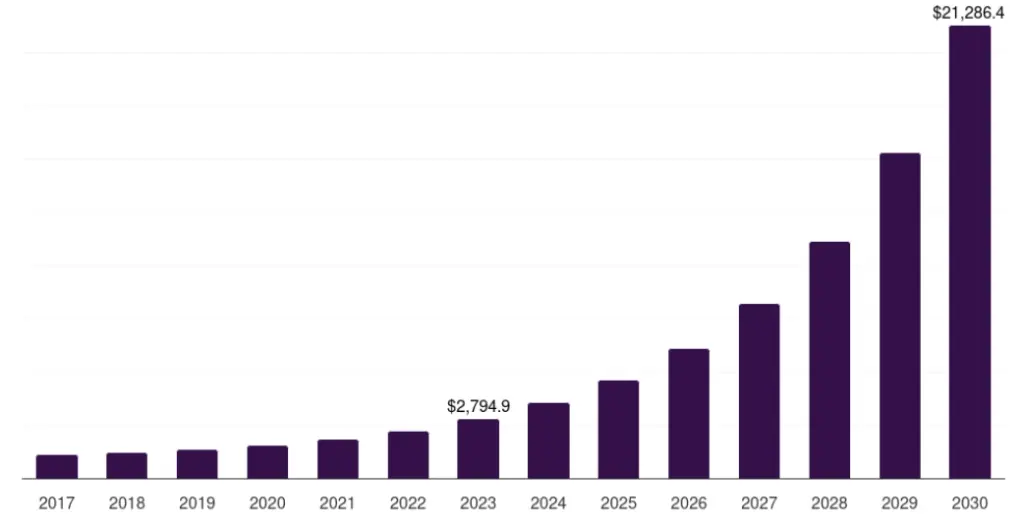
The continuous digital transformation of businesses and growing demand for data-driven decision-making are creating significant job opportunities for data professionals. As organizations rely more on analytics to improve customer experience and operational efficiency, the demand for skilled data analysts is expected to increase rapidly in the coming years.
Salary of Data Analyst in 2026
| Experience Level | Average Salary Range (India) |
| Fresher (0–2 years) | ₹4 LPA – ₹7 LPA |
| Mid-Level (2–5 years) | ₹7 LPA – ₹12 LPA |
| Experienced (5+ years) | ₹12 LPA – ₹20+ LPA |
Note: Salaries may vary depending on factors such as company size, location, technical skills, certifications, and industry demand. Professionals with strong skills in SQL, Python, and visualization tools often receive higher salary packages.
In the United States, the average salary of a data analyst is approximately $84,000 per year, depending on experience, technical expertise, and the organization they work for. Highly experienced professionals can earn even higher compensation packages.
Explore More Data Guides
| How to Become a Data Analyst? | Best Data Analytics Books |
| Is Data Analyst A Good Career? | 20+ Data Analytics Projects |
| Top Data Analytics Tools | Data Analytics Programming Languages |
Why Data Analytics Is in High Demand in 2026
Data analytics is in high demand in 2026 because businesses generate massive amounts of data every day. Companies use this data to understand customer behavior, improve services, reduce costs, and increase profits. Instead of relying on guesswork, organizations now make decisions based on real data insights.
The growth of technologies like artificial intelligence, cloud computing, and big data has also increased the need for skilled data analysts. Almost every industry, including healthcare, finance, retail, and marketing, depends on data analytics for growth and competitive advantage.
Who Should Learn Data Analytics?
Anyone interested in working with data to make better decisions, solve real-world problems, and build a future-proof career in today’s digital and data-driven industries should learn data analytics. Below are the key points:
- Students: Students from any academic background can learn data analytics to strengthen analytical thinking and improve career prospects. It prepares them to solve real-world data problems and succeed in future job roles.
- Working Professionals: If you are already working, learning data analytics can improve your decision-making ability and career growth. It helps you analyze business performance, identify trends, measure results, and improve productivity. Many professionals use data skills to move into higher roles or transition into analytics-related positions.
- Business Owners: Business owners can use data analytics to understand customer behavior, track sales trends, optimize operations, and develop smarter strategies that reduce costs and boost overall business performance.
- Career Switchers: If you are planning to switch your career, you can learn data analytics to enter a growing job market. It provides you with practical skills required in modern industries and opens new career opportunities.
Learning data analytics can benefit anyone who wants to improve problem-solving skills, understand data-driven insights, and make informed decisions in both professional and personal environments.
Also Read: Data Analytics Course Syllabus
Is Data Analytics a Good Career in 2026?
Yes, data analytics is one of the best career choices in 2026. As businesses become more digital, they rely heavily on data to make smart decisions. This growing dependence on data has created strong demand for skilled data analysts across industries.
Companies today collect huge amounts of information from websites, apps, social media, sales systems, and customer interactions. However, raw data alone is not useful. Organizations need professionals who can analyze data, find patterns, and convert numbers into clear business insights. This is where data analysts play a crucial role.
Why Data Analytics Is a Good Career in 2026
- High Demand Across Industries: Healthcare, finance, retail, IT, marketing, and even government sectors actively hire data analysts.
- Competitive Salary Packages: Data analysts earn attractive salaries, with higher pay for those who have advanced skills and experience.
- Strong Career Growth: You can start as a data analyst and grow into roles like senior analyst, business analyst, data scientist, or analytics manager.
- Future-Proof Profession: As artificial intelligence, automation, and digital transformation continue to expand, data-related roles remain essential.
- Global Opportunities: Data analytics skills are valuable worldwide, opening doors to international job markets.
Is It Suitable for You?
Data analytics can be a great career choice if you:
- Enjoy working with numbers and patterns
- Like solving logical problems
- Are curious about how businesses operate
- Want a stable and growing career path
In 2026, organizations prefer professionals who can make data-driven decisions. If you are willing to learn tools like Excel, SQL, Python, and visualization platforms, you can build a strong and rewarding career in data analytics.
Frequently Asked Questions (FAQs)
Data analytics is the process of collecting and examining data to find useful insights. You should learn it because it helps you make smarter decisions, improve problem-solving skills, and build a strong career in today’s data-driven industries.
A data analyst is a professional who collects, organizes, and analyzes data to identify patterns and trends. You help organizations make informed business decisions by converting raw data into meaningful insights using tools like Excel, SQL, and visualization platforms.
To become a data analyst, you need basic statistics, Excel, SQL, and data visualization skills. You should also develop analytical thinking, problem-solving ability, and communication skills to understand data clearly and present meaningful insights that support better decision-making.
Coding is helpful but not always mandatory in the beginning. You can start with Excel and basic SQL. However, learning Python later can improve your efficiency, career growth, and salary opportunities.
Data analytics is not extremely difficult if you follow a clear learning path. At first, new tools and concepts may confuse you, but with practice and consistency, you can gradually build confidence.
Yes, as a non-technical student, you can build a career in data analytics by starting with basics like Excel, statistics, and visualization tools. With regular practice and real-world projects, you can gradually develop the skills needed for professional roles.
You can become job-ready in about 4 to 6 months with consistent study and practical projects. If you already have analytical or technical knowledge, you may progress faster.
Yes, data analytics is a high-paying career option. As you gain experience, strengthen your technical skills, and master advanced tools, your earning potential increases significantly across industries, offering strong financial growth and excellent long-term career opportunities.
Data analytics is not usually stressful if you manage your work efficiently. You mainly work with data, reports, and dashboards. With proper time management and analytical skills, you can handle tasks comfortably and maintain a balanced professional work environment.
The future scope is very strong because businesses rely heavily on data-driven decisions. As technologies like AI and automation grow, you will find increasing demand for skilled data professionals.
Yes, data analytics offers long-term career stability because companies continue to generate and depend on data. As you upgrade your skills regularly, you can remain relevant in the industry and grow into advanced roles over time.
Conclusion
Learning data analytics may seem difficult at the beginning, especially if you are new to technical tools or data concepts. However, with the right learning strategy, consistent practice, and hands-on project experience, you can gradually build strong analytical skills over time.
Data analytics is more about logical thinking and problem-solving than advanced coding or complex mathematics. If you stay dedicated and follow a structured learning path, you can successfully learn data analytics and build a stable, high-growth career in 2026 and beyond. If you're ready to start your journey, enroll in WsCube Tech’s Data Analytics online course to gain practical, job-ready skills and build a stable, high-growth career in 2026 and beyond.
Join Our On-Campus Data Analytics Programs




Leave a comment
Your email address will not be published. Required fields are marked *Comments (0)
No comments yet.