![Full Stack Course Fee and Duration [2026 Details]](https://www.wscubetech.com/blog/wp-content/uploads/2026/02/full-stack-course-details.webp)
Every day, we use websites that look simple and easy to navigate, such as e-commerce platforms, business portals, or online learning sites, but building these applications requires both front-end and back-end development skills.
With the increasing demand for skilled professionals, many learners are now exploring development programs that offer both practical skills and strong job opportunities in today’s competitive market.
Before enrolling in any program, it becomes essential to understand the time commitment required and the financial investment involved. Course length, training quality, learning format, and certification value can influence your decision while selecting the most suitable option for your career goals.
This guide provides an overview of full stack developer course duration and fees to help you choose the right program based on your learning needs and budget. It also highlights the benefits of doing an online full stack development course, allowing you to learn flexibly and build job-ready skills from anywhere.
What Is Full Stack Web Development?
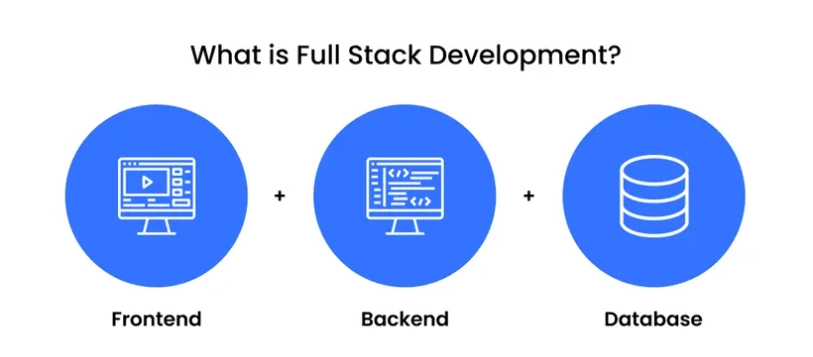
Full Stack Development refers to the process of building both the front-end and back-end parts of a web application. It involves working on everything from designing user interfaces to managing databases and handling server-side logic.
In simple terms, full stack development covers the complete development of a website or web application. It includes the client-side (what users see and interact with) as well as the server-side (how the application works behind the scenes).
A professional who works on both these areas is known as a full stack developer. They have the skills to create responsive web pages, develop application logic, manage databases, and ensure that the entire system functions smoothly from start to finish.
If you’re planning to learn these skills, it’s also a good idea to check the full stack developer course duration and fees before getting started.
Why Learn Full Stack Development in 2026?
Full-stack development offers strong career growth, high demand, and flexible job opportunities across industries, making it a valuable skill for anyone entering the tech industry. Below are the key points:
- High Demand for Developers: Companies across startups, IT firms, and enterprises are actively hiring full stack developers who can manage both front-end and back-end tasks, reducing dependency on multiple specialists and improving overall development efficiency.
- Better Career Opportunities: Learning full stack development opens multiple career paths, including web developer, software engineer, and technical consultant roles. You can work in product-based companies, service firms, or even launch your own startup confidently.
- Competitive Salary Packages: Full stack developers usually earn higher salaries than single-domain professionals because they can manage both front-end and back-end tasks, helping organizations complete projects efficiently without hiring multiple specialists.
- Work Flexibility and Freelancing: Full stack skills allow professionals to work remotely, take freelance projects from international clients, or build their own web applications, offering flexibility in the work environment and creating opportunities for independent income and career growth.
- Industry-Wide Applications: Full stack development is used in sectors such as e-commerce, healthcare, finance, and education, ensuring long-term career stability as organizations continue adopting digital platforms and web-based solutions.
Overall, learning full stack development in 2026 can help you build a stable, rewarding, and future-ready career in the rapidly growing technology industry. It’s also important to understand full stack developer course fees and duration before starting your learning journey.
Recommended Professional Certificates
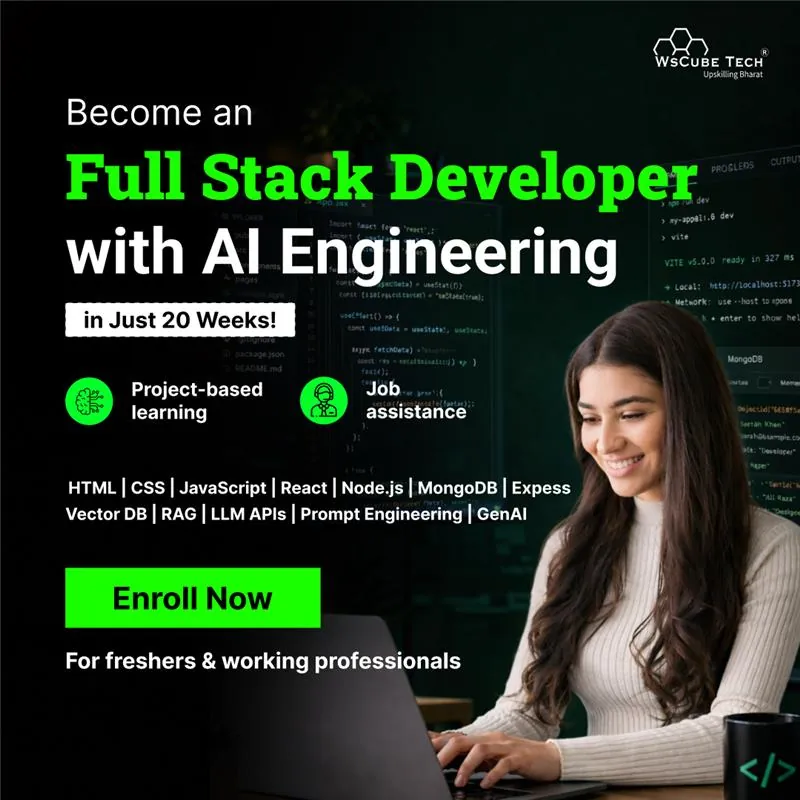
Full Stack Development Course with AI Engineering
WordPress Bootcamp
Who Should Join a Full Stack Development Course?
A full stack development course is suitable for learners who want to build practical web development skills and start a career in IT. Below are the key points:
- Students and Fresh Graduates: Students who want to enter the IT industry can join this course to learn front-end and back-end development skills and improve their chances of getting entry-level developer job opportunities. While choosing a course, they should also consider full stack developer course duration to plan their learning effectively.
- Working Professionals: Professionals from non-technical or technical backgrounds can join this course to upgrade their skills, switch careers into web development, and explore better job roles in the IT sector. It’s also important to compare full stack developer course fees before enrolling.
- Freelancers and Entrepreneurs: Freelancers and business owners can learn full stack development to create their own websites, manage web applications, and work independently on client-based development projects.
- Job Seekers: Individuals looking for job-oriented skills can join this course to gain practical knowledge and hands-on experience in front-end and back-end development, helping them prepare for web development roles and improve their chances of getting hired by IT companies.
- Tech Enthusiasts: People interested in learning programming and web technologies can join this course to understand how websites and applications are developed from front-end to back-end.
Joining a full stack development course can help you gain industry-relevant skills and improve your career opportunities in the growing IT field.
WsCube Tech Tip: Today you are browsing websites, but after learning full stack development, you could be building the next big one!
Full Stack Course Duration in India
The duration of a basic full stack development course generally ranges from 3 months to 6 months. Some courses may extend beyond this period when they include additional technologies, live projects, or placement-oriented training. This variation in full stack web development course duration depends on the depth of the curriculum and training approach.
Self-paced full stack courses offer flexible learning schedules, allowing you to complete the course based on your availability and learning speed. This option is especially beneficial for students and working professionals who prefer to manage their learning alongside academic or job commitments.
Live online and classroom training programs often provide fast-track options, enabling learners to complete the course in a shorter time through intensive sessions, structured guidance, and hands-on practical training for better industry readiness.
For learners looking for a structured learning path, WsCube Tech offers an online full-stack course designed as a 5-month program that helps you gain practical knowledge, industry-relevant skills, and hands-on experience through guided training and real-world projects. It’s also helpful to compare full stack development course fees before choosing the right program.
Also Read: Web Development Tools: 30 Best Picks
Full Stack Course Fee in India
The fee for a full stack development course in India can vary depending on the training institute, course level, duration, and mode of learning. The overall full stack development course fees may differ based on what is included in the program. Below is a table outlining the approximate fee structure for different types of training programs available to learners.
| Course Type | Duration | Mode of Learning | Average Fees (INR) | Best For |
| Online Self-Paced Course | 3 to 6 Months | Online (Recorded) | ₹2,000 – ₹50,000 | Beginners and Working Professionals |
| Instructor-Led Training | 4 to 8 Months | Live Online/Classroom | ₹20,000 – ₹80,000 | Students and Job Seekers |
| Part-Time Course | 6 to 10 Months | Online/Classroom | ₹40,000 – ₹90,000 | College Students |
| Full-Time Bootcamp | 3 to 5 Months | Classroom/Live Online | ₹40,000 – ₹4,50,000+ | Career Switchers |
| Certification Program | 6 to 12 Months | Online/Classroom | ₹1,00,000 – ₹3,00,000+ | Advanced Learners |
The overall course fee may also depend on the course curriculum, project-based training, internship opportunities, certification, and placement assistance offered by the training institute, which can influence the full stack course price.
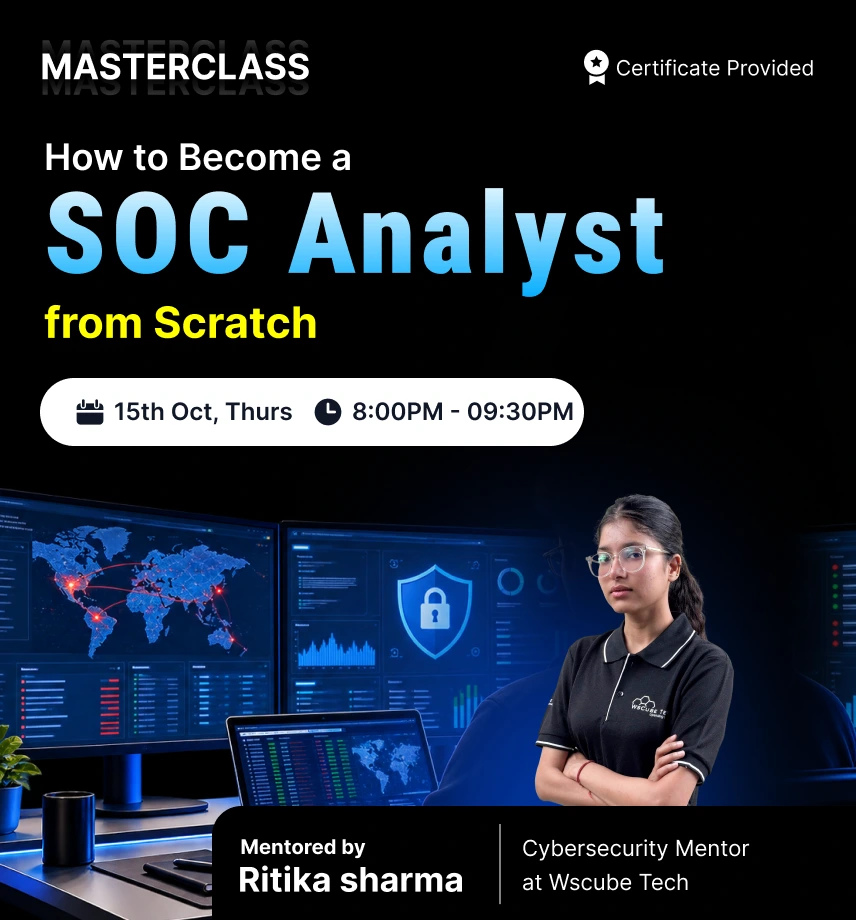
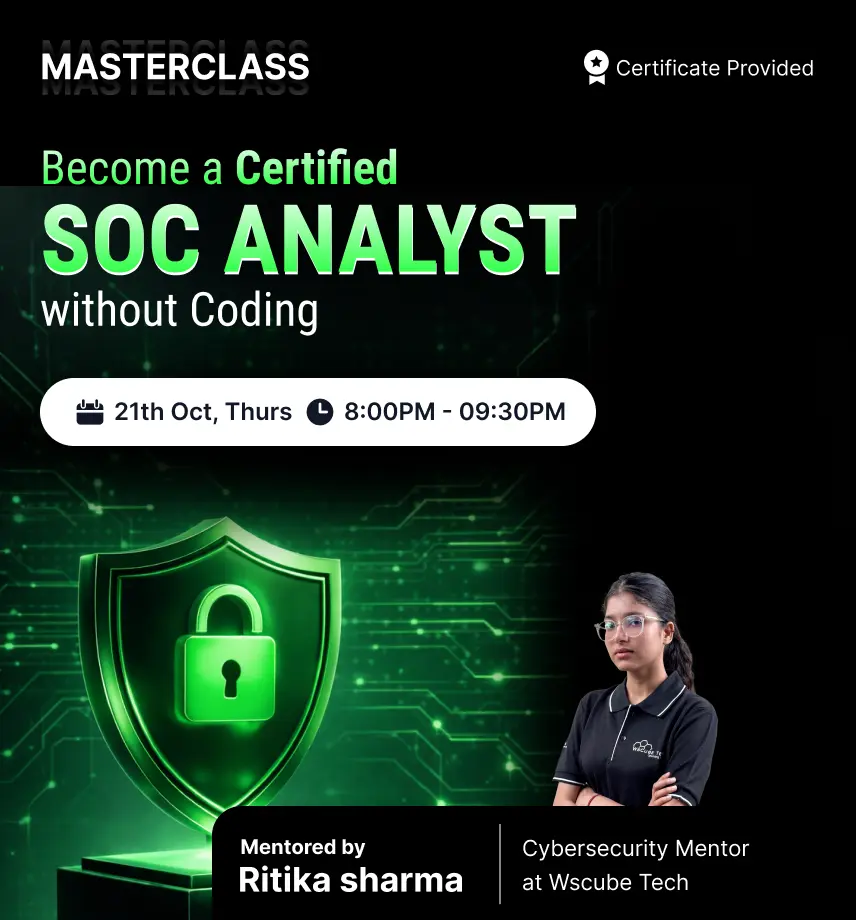
Upcoming Masterclass
Attend our live classes led by experienced and desiccated instructors of Wscube Tech.



Factors Affecting Full Stack Course Fees
Full stack course fees can vary based on multiple factors such as training quality, course duration, certification, and placement support offered by the institute. Below are the key points:
- Course Duration: Longer duration courses generally have higher fees because they cover more topics, include in-depth training, practical assignments, and project-based learning that helps students gain better technical knowledge and real-world development experience. The overall full stack development course duration plays a key role in deciding the final cost.
- Mode of Learning: Online self-paced courses are usually more affordable, while live instructor-led or classroom training programs may cost more due to structured sessions, expert guidance, doubt-solving support, and interactive learning environments.
- Course Curriculum: Courses that include advanced technologies, frameworks, tools, and hands-on projects often have higher fees as they provide comprehensive learning, industry-relevant skills, and better preparation for real-world development tasks and job roles.
- Certification Provided: Courses offering industry-recognized certifications may charge higher fees, as these credentials strengthen your resume and improve your chances of getting shortlisted for jobs and interviews.
- Placement Support: Training programs that provide internship opportunities, resume-building assistance, interview preparation, and placement support often charge higher fees due to the added career guidance and job assistance services included in the course, which can also impact the full stack course price.
Before choosing a course, carefully consider these factors to select a program that offers the best value for your investment and long-term career growth.
WsCube Tech Tip: The best time to invest in your skills was yesterday, the next best time is now.
Full Stack Development Syllabus
The full-stack development curriculum is designed to help you gain practical knowledge of front-end and back-end technologies used to build complete web applications. Below is the detailed module-wise syllabus, typically covered within a standard full stack course duration.
Web Development Fundamentals
- Introduction to Web Development
- How Websites Work
- Internet and Web Basics
- Code Editors and Tools Setup
- Basic Programming Concepts
Front-End Development
- HTML5
- CSS3
- JavaScript
- Responsive Web Design
- Bootstrap Framework
- UI Components and Layout Design
Advanced Front-End Development
- React.js
- Component-Based Architecture
- State and Props
- API Integration
- Dynamic Web Pages
Version Control System
- Introduction to Git
- Git Commands
- GitHub Repository
- Code Collaboration
Back-End Development
- Node.js
- Express.js
- Server-Side Programming
- REST API Development
- Authentication and Authorization
Database Management
- MongoDB
- MySQL
- CRUD Operations
- Database Integration
API Testing and Deployment
- Postman Tool
- Testing Endpoints
- Deployment on Hosting Platforms
- Application Hosting
Live Projects and Practical Training
- Building Real-World Web Applications
- Project Development
- Debugging and Testing
- Final Project Submission
This module-wise syllabus helps learners develop strong front-end and back-end development skills and gain hands-on experience. Before enrolling, it’s also useful to review web development course fees to choose a course that fits your budget.
Also Read: Full Stack Developer Roadmap
Skills You Will Learn in a Full Stack Course
Below are the key skills that you learn during a full stack development course which help you build complete web applications from front-end to back-end using industry-relevant tools and technologies, while also helping you understand the overall full stack development course price and its value.
| Skill Area | What You Will Learn |
| Front-End Development | Build responsive websites with HTML, CSS, JavaScript, and modern frameworks such as React. |
| Back-End Development | Develop server-side applications using Node.js, Python, or other backend technologies. |
| Database Management | Work with MySQL or MongoDB to efficiently store, manage, and retrieve application data. |
| Version Control (Git & GitHub) | Track code changes, manage repositories, and collaborate effectively with development teams. |
| API Development & Integration | Create and integrate REST APIs to connect front-end and back-end systems seamlessly. |
| Deployment & Hosting | Deploy web applications on cloud platforms and manage hosting environments. |
| Debugging & Problem Solving | Identify errors, optimize performance, and build scalable, real-world applications confidently. |
These skills help learners understand how to develop, manage, and deploy web applications efficiently in real-world development environments.
Explore More Blog Topics
Career Opportunities After Learning Full Stack Development
Learning full stack development opens various job opportunities in the IT industry, allowing you to work in development, application design, and software engineering roles. Below are some of the top career paths you can pursue.
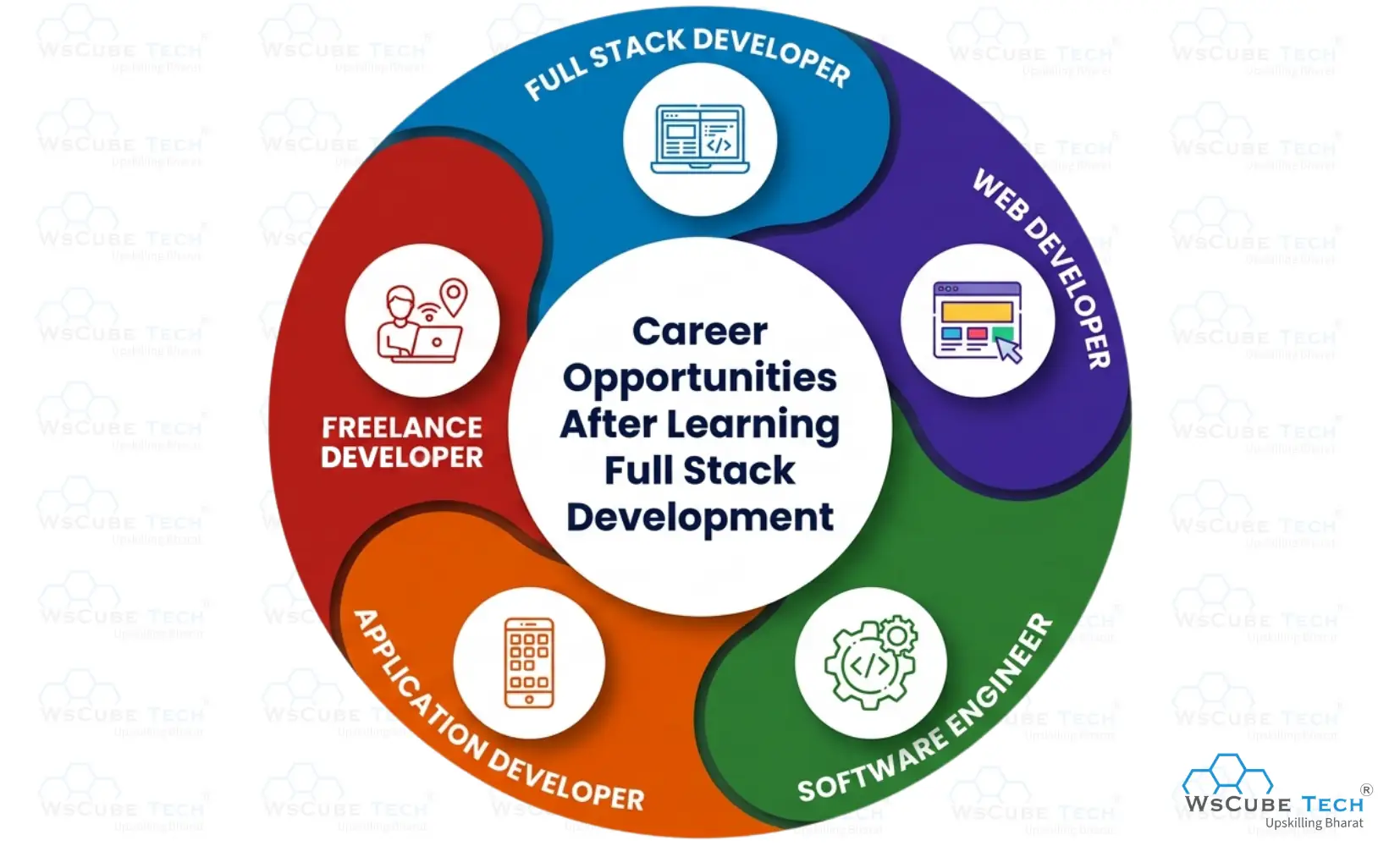
- Full Stack Developer: You can work as a full stack developer responsible for building both front-end and back-end parts of web applications, handling user interfaces, server-side logic, databases, and ensuring smooth application functionality.
- Web Developer: Web developers design and develop websites using front-end and back-end technologies, ensuring responsive layouts, proper functionality, and better user experience across different devices and web browsers. Understanding web developer course fees can also help you choose the right learning path before starting your career.
- Software Engineer: You can work as a software engineer to develop, test, and maintain software applications, manage system performance, and improve overall application efficiency using full stack development tools and technologies.
- Application Developer: Application developers build web-based or mobile applications, integrate databases, manage APIs, and create scalable solutions based on business requirements using modern development frameworks and tools.
- Freelance Developer: Full stack developers can work as freelancers by developing websites or applications for clients worldwide, offering flexible work options and opportunities to earn income through independent projects.
These career opportunities can help you build a stable and rewarding future in the fast-growing IT industry, making the full stack developer course price a worthwhile investment in your career.
WsCube Tech Tip: The more projects you build during your training, the more confident you become for real job interviews and development tasks.
Average Full Stack Developer Salary in India
The average salary of a full stack developer in India depends on experience level, technical skills, company size, and job location across the IT industry. Understanding factors like web development course fees and duration can also help you plan your learning investment. Below is a table showing approximate salaries by experience level.
| Experience Level | Average Salary Per Year (INR) |
| Fresher | ₹3 L/yr – ₹6 L/yr |
| 1–3 Years | ₹5.4 L/yr – ₹9 L/yr |
| 3–5 Years | ₹9 L/yr – ₹18 L/yr |
| 5+ Years | ₹15 L/yr – ₹30 L/yr |
Source: Salary data is sourced from AmbitionBox and updated for 2026.
The salary may also vary based on the technologies you know, your project experience, and the type of organization you work for in the IT sector, along with factors like overall full stack developer fees and market demand.
Placement Support and Certification
A good full-stack course not only teaches technical skills but also supports your career growth through placement assistance and recognized certification. These benefits help you confidently enter the job market and increase your chances of getting hired, making the overall full stack developer course cost a worthwhile investment in your future.
Placement Support
| Support Area | What You Get |
| Resume Building | Guidance to create a professional, job-ready resume highlighting your projects and skills. |
| Mock Interviews | Practice interviews to improve confidence and technical communication skills. |
| Job Assistance | Interview referrals, job updates, and company connections for better opportunities. |
| Portfolio Development | Help in building real-world projects to showcase your practical expertise. |
| Soft Skills Training | Training in communication, teamwork, and professional behavior for workplace success. |
Certification
| Certification Feature | Benefit |
| Course Completion Certificate | Validates your full stack development training and skills. |
| Industry-Recognized Credential | Increases credibility and improves job shortlisting chances. |
| Project-Based Certification | Demonstrates practical knowledge through real-world application work. |
If you want both placement support and industry-recognized certification, you can join our WsCube Tech full stack developer course, which includes resume building, mock interviews, job assistance, portfolio development, soft skills training, and a project-based course completion certificate to help you become job-ready.
Explore our Popular Development Related Courses
Is a Full Stack Course Worth the Investment?
A full stack development course can be a valuable investment when you compare the full stack developer course fee with the salary potential offered in the IT industry. In India, the average fee for a full stack course ranges from ₹35,000 to ₹1,00,000, while a fresher full-stack developer can earn between ₹3 Lakhs to ₹6 Lakhs per year.
This means you can recover your course investment within the first few months of getting a job, making it one of the best return-on-investment (ROI) career options for beginners entering the tech industry. Understanding different full stack web development course fees across institutes can also help you choose the right program. As you gain experience and improve your skills, your salary can grow significantly over time.
In the long run, the demand for full stack developers, career growth opportunities, and high earning potential make this course a worthwhile investment for students, job seekers, and working professionals looking to build a stable IT career.
Best Books to Learn Full Stack Web Development
Here are the best books to learn Full Stack Web Development:
| Book Title | What You’ll Learn | Best For |
| HTML & CSS: Design and Build Websites by Jon Duckett | Beginner-friendly guide to HTML & CSS with visual examples and hands-on exercises. | Beginners starting web design |
| JavaScript & JQuery: Interactive Front-End Development by Jon Duckett | Learn JavaScript basics and jQuery to create dynamic, interactive web pages. | JS beginners |
| Learning React by Alex Banks & Eve Porcello | Modern React concepts, hooks, state management, and building real-world apps. | Front-end frameworks |
| Node.js Design Patterns by Mario Casciaro & Luciano Mammino | Build scalable back-end applications, understand design patterns, and server-side best practices. | Node.js developers |
| MongoDB: The Definitive Guide by Shannon Bradshaw | Learn NoSQL database fundamentals, CRUD operations, and real-world MongoDB applications. | Database and back-end learners |
| Full Stack Development with React and Node by David Choi | Project-based guide combining front-end (React) and back-end (Node.js) for real-world full stack apps. | Full stack project implementation |
FAQs About Full Stack Course Fees and Duration
A full stack developer is someone who can work on both the front-end and back-end of a web application. You handle everything from designing user interfaces to managing servers, databases, and APIs to create complete functional applications. Understanding the full stack web development course fee can help you plan your learning journey effectively.
You should learn full stack development in 2026 because companies prefer professionals who can manage both front-end and back-end tasks. This helps you increase job opportunities, earn better salaries, and build a stable long-term career in the IT industry.
By taking a full-stack course, you will learn front-end technologies like HTML, CSS, JavaScript, frameworks such as React, back-end programming with Node.js or Python, database management, API integration, version control, deployment, and real-world project handling.
A full-stack developer course in India usually costs between ₹35,000 and ₹1,00,000, depending on the institute, course duration, certification, placement support, and the mode of learning you choose, such as online, live training, or classroom programs.
You need to learn HTML, CSS, and JavaScript for front-end development. On the back-end, Node.js, Python, or PHP is commonly used. Knowledge of SQL or NoSQL databases, APIs, and frameworks like React or Angular is also essential.
You do not need prior coding experience to join a full stack development course. Most beginner-friendly courses start from basic concepts and gradually teach you front-end and back-end development skills through practical sessions and real-world projects.
Yes, many full stack development courses provide placement support including resume building, mock interviews, portfolio development, and job assistance. These services help you prepare for interviews and increase your chances of getting hired by companies.
Online full stack courses can be as effective as classroom courses if they include live sessions, project-based learning, and mentorship. You can learn at your own pace and still gain practical skills required for real-world web development jobs. Comparing options like WsCube Tech web development course fees can also help you choose a course that fits your budget.
Yes, you can pursue a career as a full-stack developer without a computer science degree by completing a certified course and building projects, as your practical skills and portfolio matter more than your academic background.
The average salary of a full stack developer in India ranges from ₹6 Lakhs to ₹15 Lakhs per year for freshers. Your salary can increase with experience, technical expertise, and the type of organization you work for in the IT sector.
Yes, a full stack course is worth the investment because it offers one of the best return on investment in IT. You can recover your course fees quickly after getting a job due to high demand and competitive salary packages.
Conclusion
A full stack development course can help you build the technical skills required to develop complete web applications and start a career in the IT industry. Understanding the course duration, fees, curriculum, and placement support can help you make an informed learning decision.
By investing in the right training program, you can gain practical experience, improve your job opportunities, and achieve a strong return on investment through competitive salary packages and long-term career growth in web development.
Start Learning With Our Free Tutorials
| Python Tutorial | Java Tutorial | JavaScript Tutorial |
| C Tutorial | C++ Tutorial | HTML Tutorial |
| CSS Tutorial | SQL Tutorial | DSA Tutorial |
Practice Coding With Our Free Compilers
| Online Python Compiler | Online HTML Compiler | Online C Compiler |
| Online C++ Compiler | Online JS Compiler | Online Java Compiler |
Join Our On-Campus Full Stack Related Courses



Leave a comment
Your email address will not be published. Required fields are marked *Comments (0)
No comments yet.