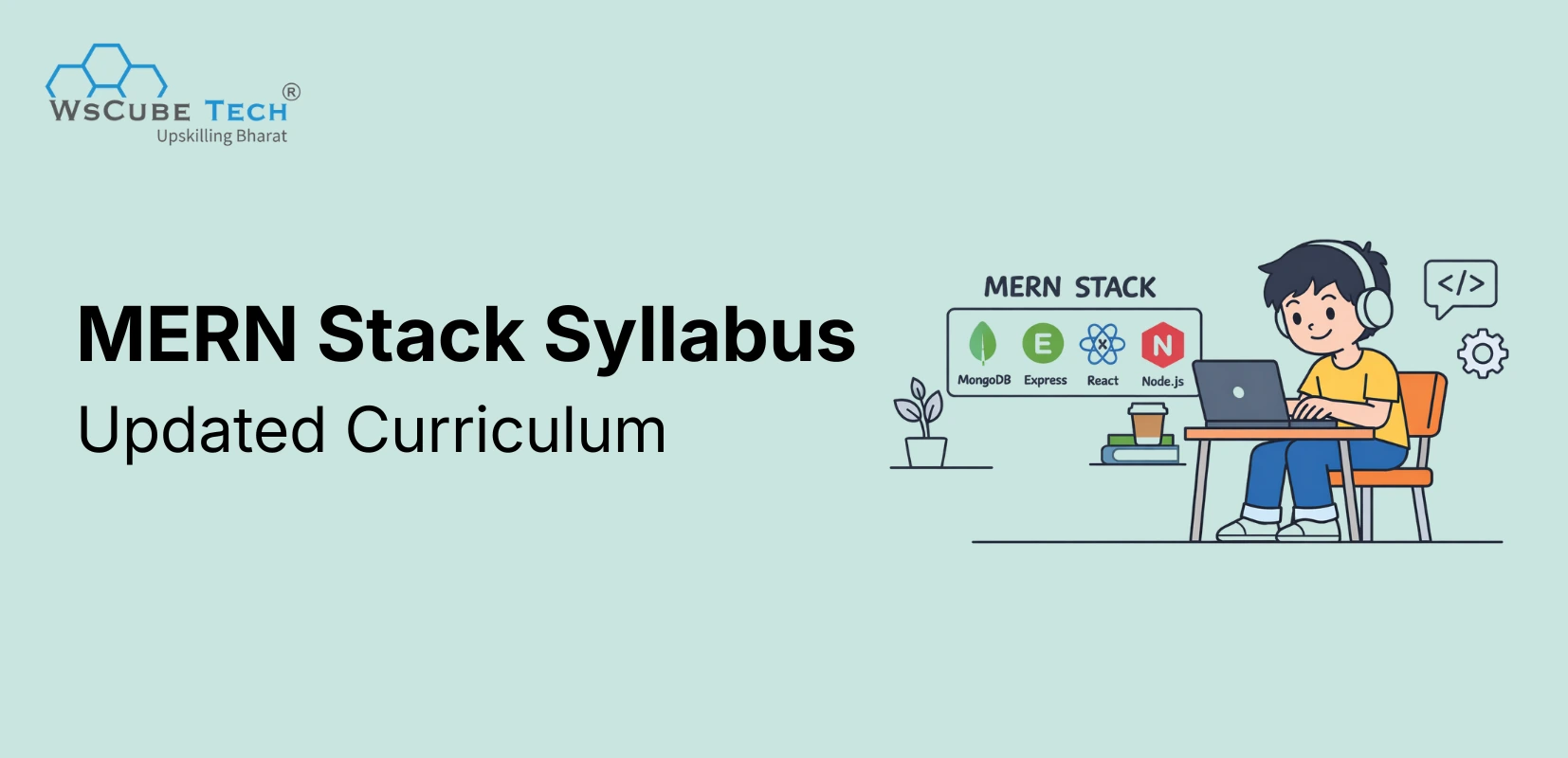
Learning the MERN stack is an important step if you want to build modern, interactive, and data-driven web applications. A structured learning path helps you move in the right direction, starting with core web technologies and gradually progressing toward advanced development skills. With regular practice and proper guidance, you can build confidence, improve problem-solving abilities, and understand how complete web applications work from start to finish.
This MERN Stack syllabus blog is designed to guide you step by step by covering MongoDB, Express.js, React, and Node.js, which are widely used in real-world projects. It focuses on frontend, backend, and database development in a balanced way. By following this organized curriculum, you strengthen coding skills, improve logical thinking, and prepare yourself for professional opportunities in full-stack web development with practical, job-ready knowledge.
What is MERN Stack?
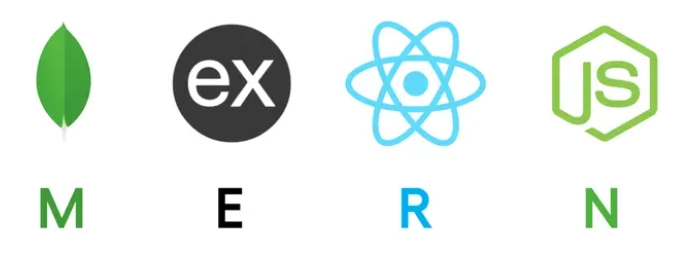
MERN Stack is a popular technology stack used for building powerful full-stack web applications. It allows you to develop the entire application, including the frontend, backend, and database, using a single programming language: JavaScript. The term MERN stands for:
- M - MongoDB: A NoSQL database that stores data in flexible, JSON-like documents.
- E - Express.js: A fast and minimalist web application framework for Node.js used to build backend APIs.
- R - React: A JavaScript library developed by Meta for building interactive and dynamic user interfaces.
- N - Node.js: A runtime environment that allows you to run JavaScript on the server side.
Together, these four technologies form a complete full-stack JavaScript framework that simplifies the web development process. Using JavaScript across the entire stack helps you build applications faster, maintain consistent code, and manage projects more efficiently compared to using multiple programming languages.
Key Application Areas of MERN Stack:
- Web Application Development: Developing responsive web applications with user-friendly interfaces and scalable backend functionality.
- Single Page Applications (SPAs): Creating fast-loading applications with a smooth user experience.
- REST API Development: Developing backend services for web and mobile apps.
- Real-Time Applications: Building chat applications, dashboards, and live data systems with real-time updates.
Why Learn MERN Stack?
Learning the MERN Stack helps you build complete, modern web applications using JavaScript, making you job-ready for full-stack roles with strong frontend and backend development skills. Below are the key points:
- Full-Stack JavaScript Development: MERN uses JavaScript for frontend, backend, and database interactions, so you focus on one language. This makes development faster, easier to understand, and more efficient compared to learning multiple programming languages.
- High Industry Demand: MERN Stack developers are in high demand because companies prefer scalable and flexible web solutions. Learning MERN improves your chances of getting jobs in startups, enterprises, and tech companies.
- Fast and Scalable Applications: MERN Stack technologies are designed for performance and scalability. You can build fast-loading applications that efficiently handle real-time data, large user bases, and complex features.
- Strong Career Growth: MERN Stack skills open doors to roles like full-stack developer, frontend developer, backend developer, and JavaScript developer, giving you long-term career growth opportunities in web development.
By learning the MERN Stack, you gain practical, future-ready skills that help you build real-world projects, crack technical interviews, and grow confidently in the web development industry.
Recommended Professional Certificates
Full Stack Development Course with AI Engineering
WordPress Bootcamp
MERN Stack Course Syllabus (Module-wise)
Below is the MERN Stack syllabus organized in a module-wise format, designed to take you from beginner to advanced levels. It follows a clear and structured learning path that helps you understand concepts step by step and progress with confidence.
Module 1: Web Foundation
Getting started with HTML & CSS (Week 1)
- Introduction to HTML
- Basic HTML Tags
- Introduction to CSS
- CSS Selectors
- Layout division
Dive into CSS properties and designing (Week 2)
- Box Model
- HTML Forms
- CSS Sizing Units (px, rem, em)
- Shadows, Border Radius
- Flex Box
- Pseudo selectors
Dive into CSS3 and animation (Week 3)
- CSS Position Properties (Absolute, Relative, Fixed)
- Introduction to CSS3
- CSS3 Vendor Prefixes
- Transform CSS (Scale, Rotate, Skew, Translate)
- CSS3 Animation
- CSS Calc, Before, After and Variables
Module 2: Core Frontend Dev
Design to Code & JavaScript Beginning (Week 4)
- CSS Column Properties
- CSS Grid
- Figma to HTML Conversion
- HTML5 Introduction
- Media Query & Responsive design
- Introduction to JavaScript
- Operators in JavaScript
- Conditional Statements in JavaScript
Deep dive into JavaScript fundamentals
- JavaScript Looping statements
- Nest loops and patterns
- 2D Array and its functions
- For Of & For In loop
- Array functions (map, filter and reduce)
DOMinate with JavaScript
- Object and "this" keyword in JavaScript
- Introduction to DOM
- Event handling (Mouse and Keyboard)
- Getter and Setter in DOM
- Handling style with JavaScript
- Event bubbling, propagation and prevent default
Advanced DOM & Browser features
- Traversing using DOM
- JavaScript Date Object
- JSON parsing
- Local storage management
- Promise handling
- Exception handling
- GSAP Introduction
Design rapidly with Bootstrap
- Bootstrap introduction
- Bootstrap layout
- Bootstrap components
- Bootstrap utilities
- Advanced JavaScript concepts
- Arrow Functions in JavaScript
- Destructuring in JavaScript
Module 3: Modern Frontend Dev with React JS
Getting started with ReactJs
- Introduction to ReactJs
- State, Prop and Components in ReactJs
- Styling in ReactJs
- ReactJs Hooks
- List rendering and Conditional rendering
- Bidirectional data transfer in ReactJs
Dive into React styling & API fetching
- Styled components in ReactJs
- External styling library integration
- Form handling in ReactJs
- API fetching
- Component life cycle
- Controlled components
- React router DOM
Deep dive into React with Ecommerce
- Ecommerce project building using ReactJs
- ContextAPI in ReactJs
- Redux toolkit
- Cart functionality
A step ahead of React: NextJs
- Introduction to NextJs
- SSR in NextJs
- API fetching
- Routing in NextJs
- Mini E-commerce using NextJs
Module 4: Programming with Python
Getting started with Python & its fundamentals
- Introduction to Python
- Operators in Python
- Conditional Statement & Loops in Python
- Python Data Structures
Deep dive into python with OOPs
- Function in Python
- OOPs using Python
- Class, Object, Constructor, Encapsulation & Inheritance
Module 5: Data Structures & Algorithms (DSA)
Getting started with DSA
- Introduction of DSA
- Why Algorithms are important
- Time and Space complexities explanation
- Array, String & Hashing
- Recursion & Backtracking
Handling Array & String with DSA
- Arrays & Two-Pointer Technique
- Strings & Hashing
- Stacks & Queues
- Function calls, BFS, CPU scheduling, caching.
Handling LinkedList DSA
- LinkedList fundamentals
- Singly and Doubly LinkedList
- LinkedList operations
- Circular LinkedList concepts
Handling Tree with DSA
- Trees (BST & Traversals)
- Preorder, Inorder, Postorder traversal
- Graphs & Shortest Path Algorithms
- BFS & DFS
- Greedy & Dynamic Programming
Module 5: Backend Development with Node.js, Express, MongoDB
Getting started with NodeJs, ExpressJs and MongoDB
- Introduction to NodeJs
- Module of NodeJs (filesystem, http)
- Introduction to ExpressJs
- Express Server Setup
- Introduction to MongoDB
- CRUD Operations using MongoDB
Understanding the MVC with Ecommerce
- Beginning of Ecommerce Project
- Flow of MVC (Model, View and Controller)
- ExpressJs Routing and Group routing
- Admin Panel Category Module (CRUD operations)
- Searching, Pagination, Multiple delete.
- MongoDB aggregate functions
Enhancing Ecommerce Admin Panel
- Product module management on Admin Panel
- Product gallery management
- API integration using NodeJs & NextJs
Ecommerce Admin Panel Final Touch
- User Auth managements
- JWT Token
- Cart functionality
- MongoDB queries
Payment gateway integration & order management
- Payment gateway integration & orders management for ecommerce website
- Payment Gateway Integration in React Js using Node Js API
- Order Management System
- Real Time Order Placed Notification Via Socket Connection
After completing this structured MERN Stack curriculum, you will be able to build full-stack web applications, connect frontend and backend systems, manage databases, implement authentication, and deploy real-world projects confidently using modern JavaScript technologies.
Upcoming Masterclass
Attend our live classes led by experienced and desiccated instructors of Wscube Tech.



Who Should Learn MERN Stack?
MERN Stack is suitable for you if you want to become a full-stack developer and build modern, scalable, and interactive web applications using JavaScript across frontend, backend, and database technologies.
- Students and Beginners: If you are starting your programming journey, MERN Stack helps you understand how complete web applications work, covering frontend design, backend logic, and databases in a structured learning path.
- Aspiring Frontend Developers: If you already know HTML, CSS, or JavaScript, learning MERN allows you to expand into backend development, helping you build complete applications instead of only designing user interfaces.
- Backend Developers: If you work with server-side technologies, MERN helps you add frontend skills using React, enabling you to become a full-stack developer and build end-to-end web solutions independently.
- Working Professionals: Professionals from technical or non-technical backgrounds can learn MERN Stack to upgrade their skills, switch careers into web development, and access better opportunities in fast-growing technology industries.
- Freelancers and Entrepreneurs: MERN Stack enables you to create scalable web applications for clients or your own business, helping you manage complete projects independently and reduce dependency on multiple developers.
Explore More on Syllabus Blogs
| PHP Syllabus | JavaScript Syllabus |
| C++ Syllabus | SQL Syllabus |
| C Language Syllabus | Python Syllabus |
| DSA Syllabus | Java Syllabus |
| HTML Syllabus | CSS Syllabus |
Master MERN Stack with WsCube Tech
If you’re looking for structured, career-focused training, WsCube Tech offers a comprehensive MERN Stack online course that takes you from basic concepts to advanced development. You can also join the MERN Stack course in Jaipur at our campus. The course includes practical projects, real-world examples, and step-by-step guidance to help you build strong full-stack development skills using modern technologies.
With hands-on coding exercises, expert mentorship, and industry-relevant projects, you gain practical experience in building real-world web applications. This learning approach helps you understand how real applications are developed and prepares you for professional roles in full-stack web development.
Also Read: MERN Stack Developer Roadmap: Beginner to Job-Ready
FAQs About MERN Stack Syllabus
The MERN Stack combines MongoDB, Express.js, React, and Node.js to build full-stack web applications. Learning MERN allows you to create dynamic, modern websites and prepares you for in-demand roles in frontend, backend, and full-stack development.
A MERN Stack course syllabus usually covers HTML, CSS, JavaScript, React, Node.js, Express, and MongoDB. You also learn API development, authentication, deployment, and project building, helping you understand how full-stack web applications are designed and developed.
Yes, the MERN Stack is beginner-friendly if you start with JavaScript fundamentals and follow a step-by-step learning approach. With regular practice, structured guidance, and hands-on projects, you can confidently build complete full-stack web applications.
Learning MERN Stack allows you to build full-stack applications using a single programming language, JavaScript. It improves your career prospects, helps you develop modern web applications, enables faster development, and provides practical experience with real-world projects.
You can benefit from a MERN Stack curriculum if you are a student, beginner, or working professional aiming to build full-stack web applications. It helps you develop practical skills, handle real-world projects, and prepare for web development careers.
You do not need advanced programming experience before starting the MERN Stack syllabus, but you should know basic HTML, CSS, and JavaScript. These fundamentals help you understand React faster and make it easier to learn backend development with Node.js and Express.
With consistent study and regular practice, most learners can complete the full MERN Stack syllabus in about four to six months. Your learning speed may vary depending on your prior knowledge, daily practice time, and how much hands on project work you do while learning.
After learning the MERN Stack, you can pursue roles like full-stack developer, frontend developer, backend developer, JavaScript developer, and web application developer. These skills open doors to startups, tech companies, and enterprise-level web development opportunities.
In India, a MERN Stack developer earns between ₹4 lakh and ₹15 lakh per year, depending on experience, skills, location, and company type. Freshers typically earn around ₹2.5 – ₹5 lakh, while experienced professionals in top tech hubs can earn ₹12 lakh or more annually.
After completing the MERN Stack course syllabus, you should focus on building advanced projects, learning deployment, and practicing coding challenges. This helps you strengthen your skills, gain confidence, and prepare for real-world development roles.
Conclusion
Learning the MERN Stack gives you the ability to create modern, dynamic, and data-driven web applications. By mastering MongoDB, Express.js, React, and Node.js, you develop full-stack expertise, managing both frontend and backend tasks effectively.
Following a structured syllabus helps you advance step by step, from basic concepts to complex full-stack applications. With hands-on projects, real-world examples, and practical exercises, you can strengthen problem-solving skills, improve coding proficiency, and confidently prepare for professional roles in web development.
Join Our On-Campus Web Development Courses




Leave a comment
Your email address will not be published. Required fields are marked *Comments (0)
No comments yet.