

A software architect is the person responsible for shaping the foundation of modern software systems. From choosing the right technologies to designing scalable and reliable applications, software architects make the big technical decisions that help products grow smoothly over time. As software becomes more complex, companies need professionals who can think beyond coding and understand system design, performance, security, and long-term architecture planning.
For many developers, moving from writing code to thinking like an architect can feel challenging and confusing. There are countless technologies, design patterns, and system concepts to learn, making it difficult to know where to begin. This Software Architect Roadmap is created to simplify that journey with a clear and structured learning path. It helps you understand what skills to build, how different concepts connect, and what it takes to grow into a confident software architect. By following this software architect learning path step by step, you can develop the knowledge and practical mindset needed to design secure, scalable, and high-performing software systems in the real world.
Who is a Software Architect?
A Software Architect is a professional who designs the overall structure of a software system. They decide how different parts of an application work together, choose the right technologies, and ensure the system is scalable, secure, and easy to maintain. Their main focus is making strong technical decisions that support long-term business goals.
In addition to design work, software architects guide development teams by defining coding standards and architectural rules. They review system designs, solve complex technical problems, and balance performance, cost, and security. They also plan for future growth and system changes to keep the software reliable over time.
Role and Responsibilities of a Software Architect
A Software Architect is responsible for designing and guiding the overall structure of software systems. Their role focuses on making the right technical decisions so applications are easy to build, scale, and maintain over time. Key responsibilities include:
- Defines the overall structure of the software system
- Understands business needs and turns them into technical solutions
- Selects the right technologies, tools, and frameworks
- Sets coding standards, guidelines, and best practices
- Plans for system scalability, performance, and stability
- Designs security measures to protect data and systems
- Explains architecture decisions to stakeholders clearly
- Guides and mentors development teams
- Works closely during planning, development, and delivery
- Reviews code to ensure it follows architectural rules
- Maintains architecture diagrams and technical documents
- Identifies risks and plans long-term system improvements
These responsibilities ensure software systems are well-structured, secure, scalable, and aligned with business goals, while helping teams deliver high-quality applications smoothly.
Recommended Professional Certificates
Full Stack Development Course with AI Engineering
WordPress Bootcamp
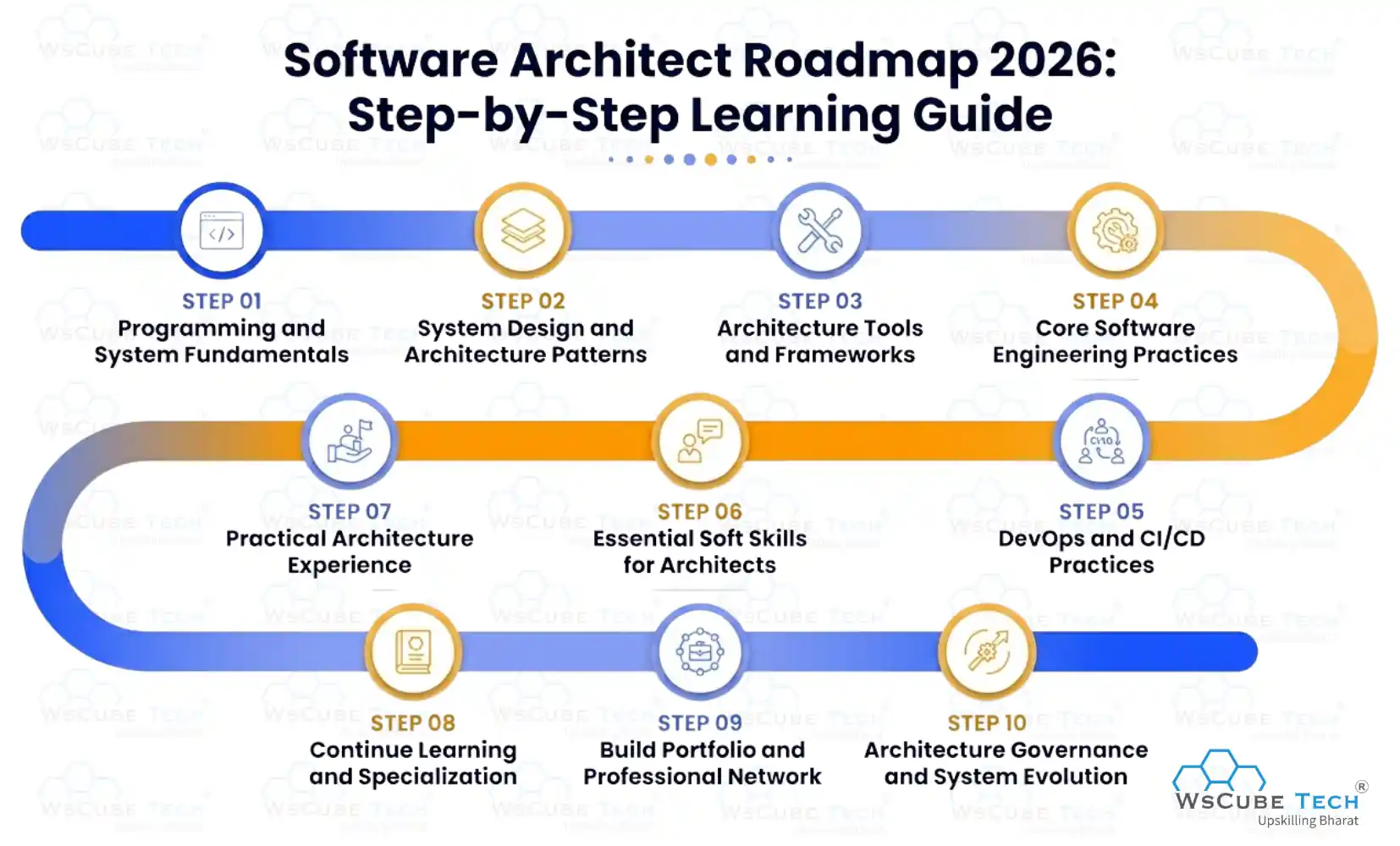
Software Architect Roadmap 2026: Step-by-Step Learning Guide
This roadmap gives you a clear and practical path to becoming a Software Architect. Following this software architecture roadmap helps you to learn skills in the right order, strengthen technical and design thinking, and move confidently toward architecture-level roles. Below are the key steps to grow step by step into a software architect:
- Build Strong Programming and System Fundamentals
- Learn System Design Concepts and Architecture Patterns
- Learn Architecture Tools, Frameworks, and Technologies
- Master Core Software Engineering Practices
- Adopt DevOps and CI/CD Practices
- Develop Essential Soft Skills for Software Architects
- Gain Practical Architecture Experience and Project Leadership Skills
- Continue Learning and Build Specialization Expertise
- Build a Strong Portfolio and Professional Network
- Drive Architecture Governance and Long-Term System Evolution
Next, we will go through each step one by one to clearly explain what to learn, how to practice, and how to grow confidently in your software architect journey.
1. Build Strong Programming and System Fundamentals
Building strong programming and system fundamentals is the foundation of a Software Architect’s career. This first step helps understand how applications are built and how technical decisions affect performance, scalability, and long-term maintainability in real-world software systems.
1.1 Develop Strong Programming Language Skills
Software Architects should have deep expertise in at least one primary programming language and a basic working knowledge of others. Strong programming skills make it easier to evaluate system designs, guide development teams, and make sound architectural decisions.
- General-purpose languages: Java, Python, Ruby, Go, JavaScript, TypeScript
- Statically typed languages: Java, Kotlin, Scala
- Microsoft technology stack: C# and the .NET Framework
Learning multiple languages helps in selecting the right technology for different system requirements.
1.2 Understand Software Development Methodologies
Understanding software development methodologies helps architects design systems that align with real development workflows. Knowledge of Agile, Scrum, and the Software Development Life Cycle (SDLC) improves planning, collaboration, and delivery.
These methodologies also help manage change, reduce risks, and ensure systems remain flexible, stable, and easy to maintain as applications grow and evolve.
2. Learn System Design Concepts and Architecture Patterns
After building strong programming fundamentals, the next step is learning how to design complete software systems. System design focuses on how different components work together to handle users, data, and traffic efficiently at scale.
This step covers essential concepts such as scalability, availability, reliability, load balancing, caching, and fault tolerance. These concepts help ensure systems perform well under heavy load, recover from failures, and deliver a consistent user experience.
It also introduces widely used architecture patterns, including monolithic, layered, microservices, and event-driven architectures. Each pattern has its own strengths and trade-offs. Understanding when to use a specific pattern helps in making better design decisions based on system requirements, cost, complexity, and future growth.
3. Learn Architecture Tools, Frameworks, and Technologies
Software Architects use different tools and frameworks to turn design ideas into real, working software systems. These tools support planning, development, testing, deployment, and long-term maintenance.
- Architecture modeling and diagramming tools: Help visualize system structure, data flow, and component relationships, making designs easier to understand and review.
- Version control systems: Used to manage source code changes, support team collaboration, and track how the system evolves over time.
- API design and documentation tools: Help create clear, consistent, and well-documented APIs for smooth communication between services.
- Application frameworks and libraries: Provide a structured way to build applications, follow best practices, and reduce repeated development effort.
- Build and automation tools: Used to manage dependencies, automate builds, and maintain consistent development workflows.
- Testing tools and frameworks: Help check functionality, performance, and architectural rules to ensure software quality.
Understanding these tools and frameworks helps architects guide teams better, choose the right technologies, and build software systems that are reliable, scalable, and easy to maintain over time.
4. Master Core Software Engineering Practices
Beyond architectural design, software architects are responsible for ensuring that software is built with high quality and long-term stability in mind. This requires a strong focus on software engineering best practices such as writing clean and consistent code, following coding standards, and designing systems that are easy to understand and maintain. These practices help teams build software that remains stable and adaptable as requirements change.
Software architects must also support practices like unit testing, code reviews, and continuous refactoring. Testing helps prevent defects, code reviews improve overall quality, and refactoring keeps the codebase healthy over time. By promoting these practices, architects reduce technical debt, improve development efficiency, and ensure smooth and reliable software delivery.
5. Adopt DevOps and CI/CD Practices
Software architects play a key role in connecting development and operations teams. Adopting DevOps practices helps remove communication gaps, improve teamwork, and create smoother software delivery processes. A strong DevOps approach allows architects to design systems that are easier to deploy, monitor, and maintain in real production environments.
Key Focus Areas
- DevOps Practices: Learn how collaboration, automation, shared responsibility, and continuous improvement improve development speed and system stability. These practices help teams release software more frequently with fewer issues.
- DevOps Tools and Automation: Gain hands-on understanding of CI/CD pipelines, configuration management, containerization, and monitoring tools. These tools automate builds, testing, deployments, and system monitoring, making workflows faster and more reliable.
By using DevOps and CI/CD practices, Software Architects help teams release software faster, reduce errors, and keep systems stable, scalable, and easy to manage in everyday production use.
Upcoming Masterclass
Attend our live classes led by experienced and desiccated instructors of Wscube Tech.




6. Develop Essential Soft Skills for Software Architects
Soft skills help Software Architects communicate ideas clearly, lead teams effectively, and make confident decisions. Technical knowledge alone is not enough; strong people and thinking skills are equally important.
- Communication Skills: Enable architects to explain complex designs clearly, align teams smoothly, and share architectural decisions so everyone works with the same understanding.
- Leadership Skills: Leadership helps architects guide teams, handle conflicts, support developers, and keep architectural goals on track throughout the project lifecycle.
- Decision-Making Skills: Strong decision-making helps architects evaluate options, balance technical and business needs, assess risks, and choose solutions that support long-term system stability and growth.
- Problem-Solving Skills: Help software architects analyze complex system issues, identify root causes, and design effective solutions. Strong problem-solving improves system stability, performance, and scalability when applications face real-world challenges or unexpected technical failures.
- Collaboration Skills: Collaboration enables architects to work closely with developers, testers, product managers, and operations teams, ensuring smooth workflows and shared ownership of system outcomes.
- Documentation and Presentation Skills: Good documentation and presentation skills help architects record decisions, create clear design documents, and present architecture plans in a way that is easy to understand and follow.
7. Gain Practical Architecture Experience and Project Leadership Skills
After building strong technical and communication skills, this step focuses on real-world practice, which is essential for becoming a successful Software Architect. Hands-on experience helps apply architectural concepts to real systems, understand practical challenges, and build confidence in making effective design decisions.
7.1 Hands-on Architecture Experience
- Work on new system (greenfield) projects to design architecture from scratch, select technologies, and plan scalability and security.
- Contribute to existing system (brownfield) projects to understand current system designs, improve structure, reduce technical debt, and apply changes carefully without impacting running applications.
7.2 Project Management and Team Coordination
- Plan projects by defining clear objectives, milestones, and technical priorities aligned with business goals.
- Organize tasks and coordinate effectively with developers, testers, and operations teams to ensure smooth execution.
- Identify technical and delivery risks early and take proactive steps to reduce their impact.
Combining hands-on architectural work with strong project management skills enables Software Architects to lead projects confidently and deliver reliable, scalable systems that meet both technical and business requirements.
8. Continue Learning and Build Specialization Expertise
Continuous learning helps Software Architects stay relevant as technologies, tools, and design approaches evolve. By deepening skills in specific domains and following industry trends, architects can make better decisions, design modern systems, and confidently handle complex, large-scale software challenges.
Key areas to focus on include
- Choose a specialization area: Focus on domains that match career goals and market demand, such as cloud architecture, distributed systems, microservices, security, data architecture, or performance optimization. Specialization builds deeper expertise and confidence in complex system design.
- Study advanced architecture concepts: Learn modern architecture patterns, design principles, and best practices. Exploring real-world system design case studies helps understand how large-scale systems handle scale, reliability, and change in production.
- Stay updated with industry knowledge: Regularly read technical blogs, architecture guides, and official documentation to keep up with new tools, platforms, and design strategies used in modern software development
- Practice through hands-on Projects: work on side projects, experiments, or prototypes to apply new ideas in practice. Hands-on practice strengthens understanding and improves decision-making skills.
- Engage with the tech community: Attend webinars, conferences, and technical meetups to learn from industry experts, share experiences, and stay connected with current best practices.
Specialized Certifications (Optional)
Certifications are optional but useful for validating skills and gaining industry recognition. Popular options include:
- AWS Certified Solutions Architect – Associate / Professional
- Microsoft Certified: Azure Solutions Architect Expert
- Google Professional Cloud Architect
- TOGAF® Certification
- Certified Kubernetes Administrator (CKA)
By combining continuous learning with focused specialization, Software Architects remain competitive and design scalable, secure, and future-ready software systems.
9. Build a Strong Portfolio and Professional Network
A strong portfolio and professional network help software architects showcase real skills and grow career opportunities. Practical project work proves expertise, while networking builds industry connections, learning opportunities, and long-term professional visibility needed for architectural roles.
9.1 Create a Strong Architecture Portfolio
A well-prepared architecture portfolio shows practical experience, design thinking, and problem-solving ability. It helps employers and teams clearly understand architectural skills and real-world impact.
- Architecture Case Studies: Include case studies that explain system requirements, architecture diagrams, technology choices, and design trade-offs. This shows how architectural decisions were made and how problems were solved effectively.
- Real-World Projects: Showcase greenfield and brownfield projects, migrations, performance improvements, or scalability work. Real projects demonstrate hands-on experience and the ability to handle real technical challenges.
- Clear Documentation and Diagrams: Add clean documentation, flow diagrams, and system visuals. Clear explanations highlight communication skills and make complex architectures easy to understand for both technical and non-technical audiences.
9.2 Build and Grow a Professional Network
A strong professional network opens learning, mentorship, and career opportunities. It helps architects stay updated and connected within the software industry.
- Industry Events and Meetups: Attend conferences, meetups, and workshops to connect with professionals, learn trends, and exchange ideas with experienced architects and engineers.
- Online Technical Communities: Participate in LinkedIn, GitHub, forums, and developer communities. Sharing knowledge and engaging in discussions increases visibility and professional credibility.
- Mentorship and Peer Connections: Build relationships with senior architects and peers. Mentorship provides guidance, while peer discussions improve practical understanding and confidence.
- Knowledge Sharing and Personal Branding: Write blogs, share insights, or give talks. Teaching and sharing experience builds trust, reputation, and recognition in the software architecture community.
10. Drive Architecture Governance and Long-Term System Evolution
This step focuses on maintaining system quality and guiding long-term growth. Software Architects are responsible for defining architectural standards, reviewing designs, and ensuring systems follow agreed rules and best practices. Architecture governance helps keep systems consistent, secure, and aligned with business goals as teams and projects grow.
Long-term system evolution involves planning for future changes, managing technical debt, and updating architecture as technology and business needs change. Regular design reviews, clear documentation, and continuous improvements help systems remain stable, scalable, and easy to maintain over time.
By following the software architect roadmap 2026 for beginners above, you can move step by step from strong fundamentals to becoming a confident Software Architect who can design, guide, and evolve modern software systems effectively.
Explore More Roadmap Guides
Career Opportunities After Becoming a Software Architect
Following a structured software architecture roadmap opens doors to high-impact, leadership-driven roles in modern software development. Below are the career options you can pursue.
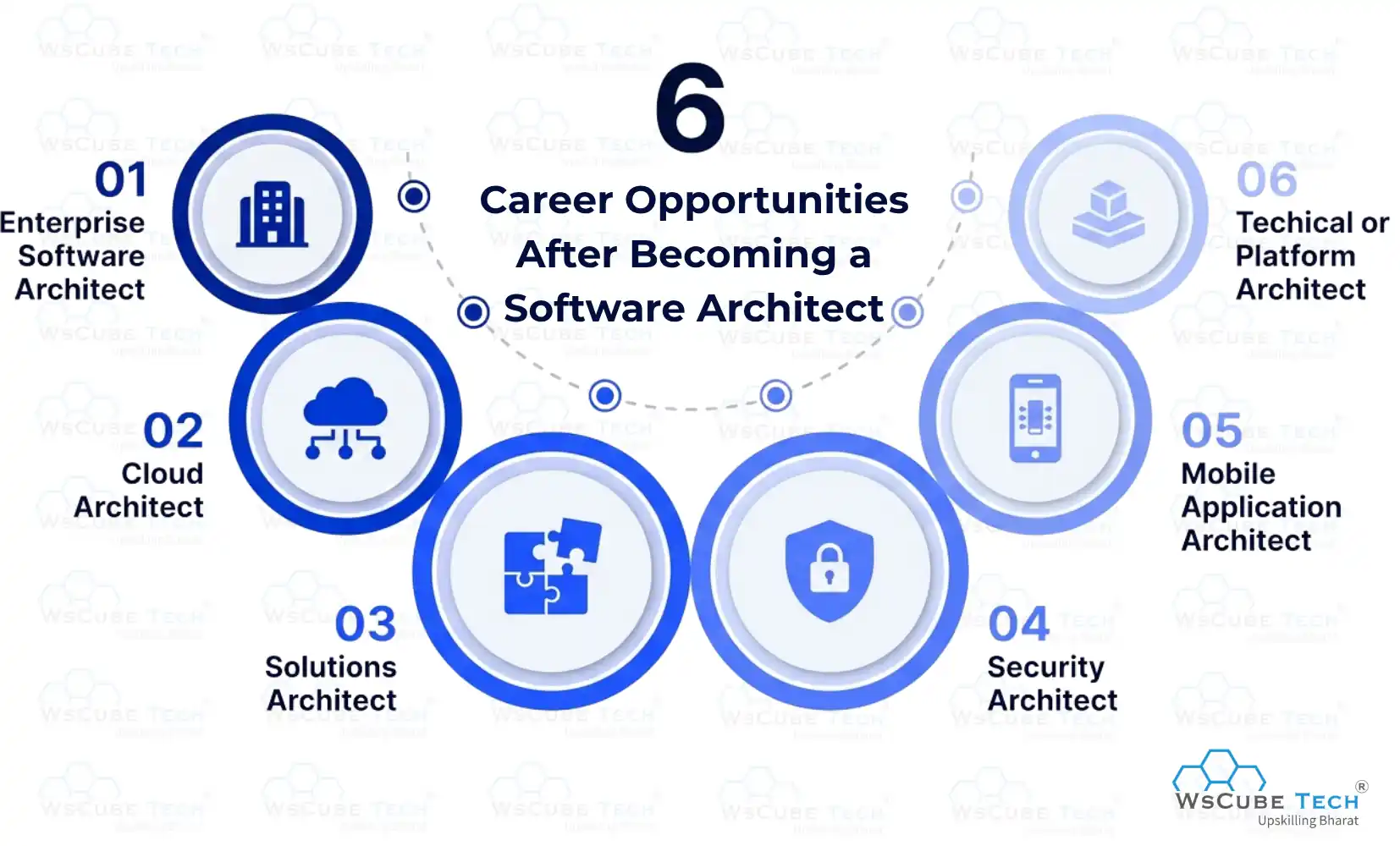
- Enterprise Software Architect: Designs large-scale enterprise systems, defines technology standards, and ensures different business applications integrate smoothly while remaining scalable, secure, and easy to maintain over time.
- Cloud Architect: Plans and manages cloud-based systems, focusing on scalability, availability, cost optimization, and security across platforms like AWS, Azure, and Google Cloud.
- Solutions Architect: Works closely with business teams to design end-to-end technical solutions that meet functional requirements, performance goals, and budget constraints.
- Security Architect: Focuses on system security by designing secure architectures, protecting data, managing risks, and ensuring compliance with security standards and regulations.
- Mobile Application Architect: Designs scalable and high-performance mobile systems, ensuring smooth backend integration, security, and support for large user bases.
- Technical or Platform Architect: Builds shared platforms, frameworks, and services used by multiple teams, ensuring consistency, reusability, and long-term system stability.
These roles highlight how software architects can grow into specialized and leadership-focused positions with strong career stability and global demand.
Salary Structure for Software Architects
Software Architects earn competitive salaries due to their system-level expertise and leadership responsibilities. Compensation depends on experience, specialization, location, and organization size.
Average Salary Overview:
- India: ₹20 LPA – ₹45 LPA
- United States: $150,000 – $220,000 per year
Specialized roles in cloud, security, and large-scale systems often command higher pay.
Salary by Role and Specialization
| Job Role | Salary in India (Annually) | Salary in USA (Annually) |
| Enterprise Software Architect | ₹41.8L – ₹46.2L | $160K – $260K |
| Cloud Architect | ₹26.4L – ₹29.2L | $150K – $230K |
| Solutions Architect | ₹30.9L – ₹30.4L | $165K – $255K |
| Security Architect | ₹24.2L – ₹26.8L | $160K – $250K |
| Mobile Application Architect | ₹26.1L – ₹28.9L | $155K – $240K |
| Technical / Platform Architect | ₹35.1L – ₹40.8L | $170K – $260K |
Salaries may vary based on skills, certifications, company size, and location.
Explore Our Web Development Related Courses
Future Scope of Software Architecture
The future of software architecture is strong and continuously expanding. As businesses move toward cloud-native systems, microservices, and distributed platforms, the need for skilled Software Architects will keep growing. Architects will play a key role in designing systems that handle scale, security, performance, and rapid change.
Emerging areas like cloud computing, AI-driven platforms, edge computing, and large-scale data systems are increasing system complexity. Software Architects will be essential in choosing the right technologies, managing long-term system evolution, and ensuring systems remain reliable and cost-effective.

With the rise of DevOps, automation, and global digital transformation, Software Architects will also take on stronger leadership and decision-making roles. This makes software architecture a future-proof career with long-term demand, strong salaries, and global opportunities across industries.
Best Books on Software Architect
Here are some of the most recommended books to learn software architecture concepts, real-world system design, patterns, and best practices. These books are valuable for both beginners and experienced architects.
1. Software Architecture in Practice – Len Bass, Paul Clements, Rick Kazman:

This is a must-read book that explains core software architecture concepts and quality attributes such as performance, scalability, availability, and security, using clear explanations and practical real-world examples.
2. Clean Architecture – Robert C. Martin:
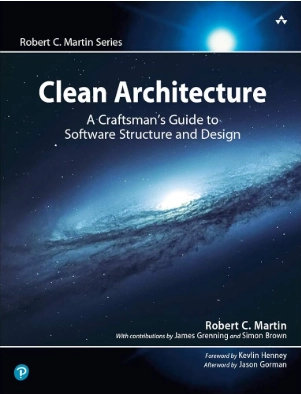
Focuses on timeless design principles that help build software systems which are easy to understand, maintain, test, and extend as requirements change.
3. Designing Data-Intensive Applications – Martin Kleppmann:
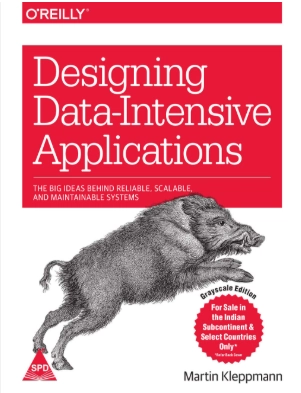
This book provides a deep and practical understanding of modern data-driven systems. It covers scalability, reliability, consistency, performance, and distributed system design in a very clear manner.
4. Domain-Driven Design – Eric Evans:
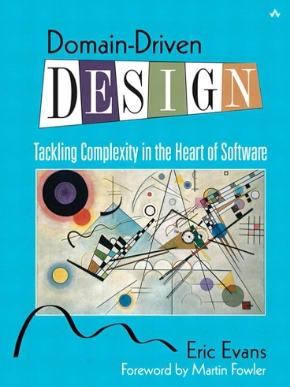
This book helps us align software architecture with real business needs by using effective domain modeling techniques. It is especially useful for designing complex and large-scale systems.
5. Fundamentals of Software Architecture – Mark Richards & Neal Ford:
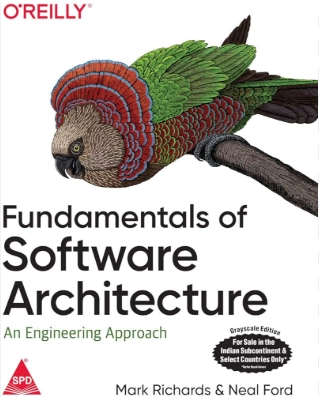
This book is a clear and structured guide to architectural patterns, styles, trade-offs, and decision-making. It helps us choose the right architecture based on system requirements and constraints.

FAQs About Software Architect Roadmap
A software architect is a professional who helps you design the overall structure of software systems. You decide how components interact, choose technologies, and ensure the system is scalable, secure, maintainable, and aligned with business goals.
A software architect roadmap 2026 helps you learn skills in the right order. You avoid confusion, build strong fundamentals, gain real-world experience, and confidently progress from developer roles toward architecture and leadership responsibilities.
You should follow a software architecture roadmap if you are a developer, senior engineer, or tech lead who wants to design systems, make high-level decisions, guide teams, and grow into architecture-focused roles.
You need strong programming knowledge, system design skills, architecture patterns, cloud concepts, DevOps basics, communication skills, and leadership abilities. You also need experience solving real-world problems and designing scalable systems.
For most people, it takes five to eight years. You usually start as a developer, gain experience, learn system design, work on large projects, and gradually take architectural responsibilities over time.
Yes, coding remains important. You may not code daily, but you must understand code quality, frameworks, and limitations. This helps you make practical decisions and guide developers effectively during system design and reviews.
Yes, this roadmap is suitable for beginners. You start with programming basics and system fundamentals, then gradually learn design patterns, cloud platforms, DevOps practices, soft skills, and hands-on projects, helping you grow confidently into a software architect role.
You do not strictly need certifications, but they help you validate skills and gain credibility. Cloud and architecture certifications support your learning and can improve job opportunities, especially when combined with strong practical experience.
After following a software architect roadmap 2026, you can become a solutions architect, cloud architect, enterprise architect, security architect, or platform architect, working on complex systems and leading technical decisions across teams.
Yes, software architecture is a strong career choice in 2026. You are in demand because companies need experts to design scalable, secure systems, manage complexity, and support long-term digital growth across industries.
Conclusion
Becoming a software architect takes time, learning, and real experience. It is not only about writing code but also about understanding how large software systems are planned, built, and improved over time. From programming and system design to leadership and communication, every skill you learn helps you grow in this career.
This Software Architect Roadmap 2026 gives you a clear path to follow step by step. Instead of rushing, focus on learning deeply, building real projects, and understanding how different technologies work together. Small and consistent progress is what truly makes a difference.
Technology keeps changing, so continuous learning is a big part of this journey. Stay curious, keep practicing, and gain hands-on experience whenever possible. With time and dedication, you can become a confident software architect and build a strong future in tech.
Explore Our Free Tech Tutorials
| Python Tutorial | Java Tutorial | JavaScript Tutorial |
| C Tutorial | C++ Tutorial | HTML Tutorial |
| CSS Tutorial | SQL Tutorial | DSA Tutorial |
Practice Coding With Our Free Compilers
| Online Python Compiler | Online HTML Compiler | Online C Compiler |
| Online C++ Compiler | Online JS Compiler | Online Java Compiler |
Join Our On-Campus Full Stack Related Courses
Free Courses for You





Leave a comment
Your email address will not be published. Required fields are marked *Comments (0)
No comments yet.