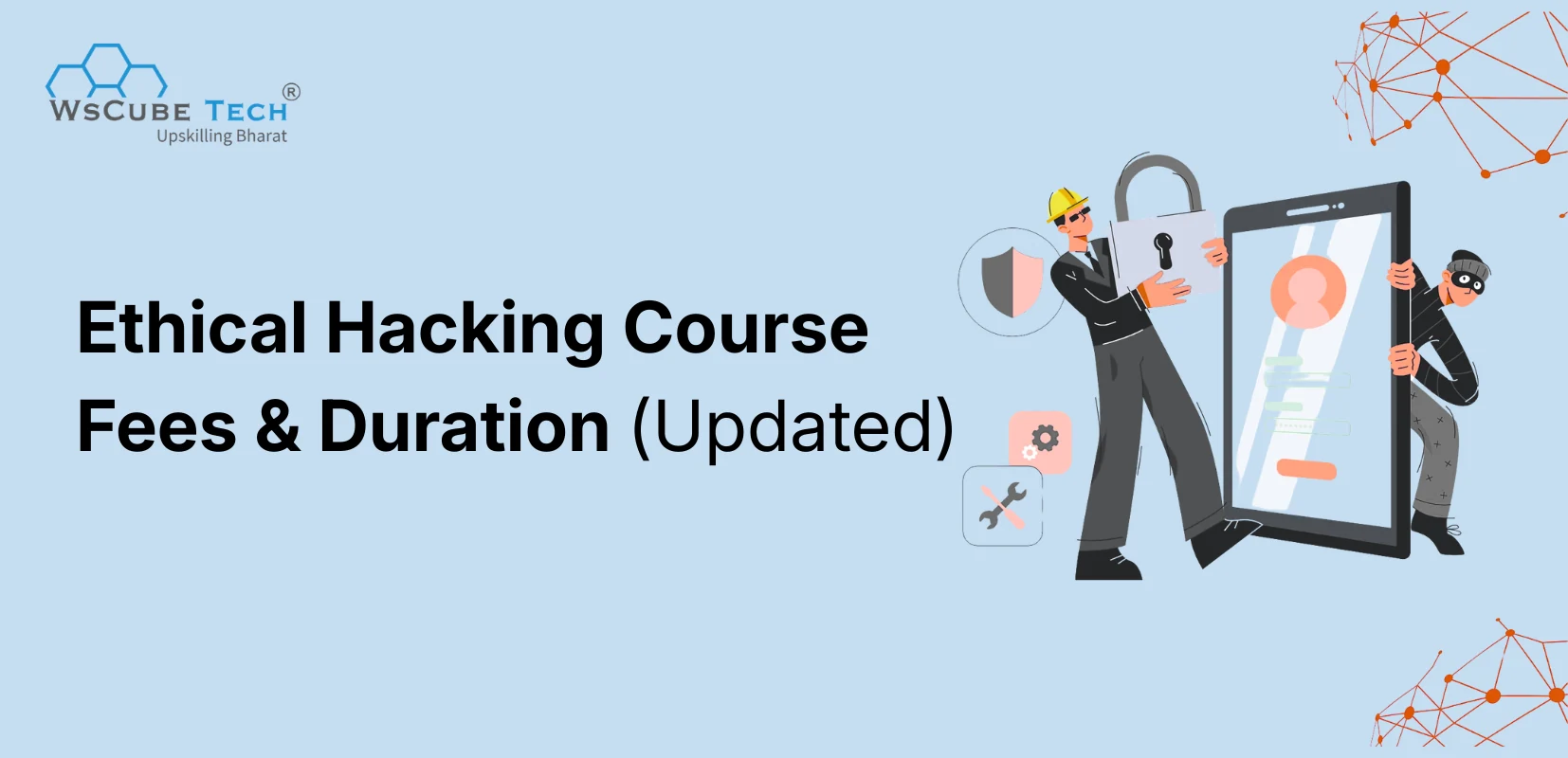
Thinking about learning ethical hacking but unsure how much it costs or how long it takes? You’re not alone; many beginners face this confusion before getting started.
The main problem is the lack of clear information about the fees and duration of ethical hacking courses. Different institutes offer varying pricing and timelines, making it difficult to choose the right option with confidence.
This confusion can lead to wasting money, selecting the wrong course, or delaying your entry into a high-demand cybersecurity career with strong growth opportunities.
In this blog, you’ll understand ethical hacking course fees and duration, compare different options, and choose the best path based on your budget and time.
If you’re interested in ethical hacking, join our best online ethical hacking course and start your journey to becoming a certified ethical hacker.
What is Ethical Hacking?
Ethical hacking is the process of legally testing computer systems, networks, applications, and websites to identify security weaknesses before cybercriminals can exploit them. Ethical hackers, also known as white-hat hackers, use authorized tools and techniques to improve cybersecurity and protect sensitive data from threats. Their main goal is to strengthen digital security and prevent cyberattacks. Below are the key areas covered in ethical hacking:
- Network Security Testing: Identifying weaknesses in networks, routers, and firewalls.
- Website Security: Checking websites for vulnerabilities like SQL injection and XSS.
- System Security: Testing operating systems and software for flaws.
- Password & Authentication Testing: Finding weak passwords and login loopholes.
- Vulnerability Assessment: Scanning systems to detect possible threats.
- Penetration Testing: Simulating real cyberattacks in a controlled environment.
- Data Protection: Securing confidential information from unauthorized access.
- Cyber Threat Prevention: Helping organizations prevent hacking attempts.
Recommended Professional Certificates
Ethical Hacking Bootcamp
Penetration Testing Bootcamp
Ethical Hacking Course Fee & Duration: An Overview
Understanding ethical hacking course fees and durations helps you easily compare course options. Below is the detailed overview of fees and duration:
| Course Type | Duration | Approximate Fees | Best For | What It Covers |
| Beginner Certificate Course | 1–3 months | ₹5,000 – ₹25,000 | Beginners & Students | Basic networking, cybersecurity fundamentals, ethical hacking tools, and introductory labs |
| Diploma Course | 6–12 months | ₹19,000 – ₹60,000 | Students & Freshers | Networking, vulnerability assessment, penetration testing, and system security |
| Advanced Certification Course | 3–6 months | ₹15,000 – ₹80,000 | IT Professionals | Ethical hacking tools, real attack simulations, web security, and advanced testing |
| Degree Program | 3–4 years | ₹50,000 – ₹2,00,000 per year | Full-time learners | Cybersecurity concepts, ethical hacking, digital forensics, and advanced security modules |
| Online Short-Term Course | 4–8 weeks | ₹2,000 – ₹20,000 | Self-paced learners | Basic ethical hacking, hands-on labs, and beginner-friendly projects |
| Professional Certification (CEH, etc.) | 2–4 months | ₹19,000 – ₹1,00,000+ | Career-focused learners | Industry-recognized certification, practical labs, and exam preparation |
Offline Ethical Hacking Course Fee and Duration
Offline ethical hacking courses usually offer classroom training with hands-on labs, mentor support, and live doubt sessions. Below is the detailed fee and duration overview for offline courses:
| Course Type | Duration | Approximate Fees (India) | Best For |
| Beginner Classroom Course | 1–3 months | ₹10,000 – ₹25,000 | Students & Beginners |
| Diploma / Advanced Course | 3–6 months | ₹19,000 – ₹80,000 | Freshers & IT learners |
| CEH Classroom Training | 2–4 months | ₹20,000 – ₹1,50,000 | Certification-focused learners |
| Professional Diploma Program | 6–12 months | ₹60,000 – ₹1,00,000+ | Career-focused learners |
Most classroom-based courses in India generally start from ₹10,000–₹25,000 for beginner levels, while advanced and certification-oriented offline programs can range from ₹40,000 to ₹1,50,000+, depending on the institute’s reputation and included labs.
The typical duration ranges from 1 month for short classroom courses to 6–12 months for diploma and job-oriented programs. Instructor-led CEH and professional ethical hacking batches typically last 2–4 months.
Note: Offline course fees may increase depending on lab infrastructure, trainer expertise, placement support, and inclusion of certification exams.
Online Ethical Hacking Course Fee and Duration
Online ethical hacking courses are usually more flexible and budget-friendly than classroom programs. They are available in self-paced, live online, and certification-based formats. Below is the detailed fee and duration overview for online courses:
| Course Type | Duration | Approximate Fees | Best For |
| Self-Paced Beginner Course | 4–8 weeks | ₹2,000 – ₹20,000 | Beginners & Students |
| Live Online Certification Course | 2–4 months | ₹15,000 – ₹60,000 | Students & Professionals |
| CEH / Advanced Online Training | 3–6 months | ₹20,000 – ₹1,50,000 | Certification-focused learners |
| Short-Term Online Courses | 1–3 months | ₹999 – ₹20,000 | Budget learners |
| International Online Certifications | 3–6 months | ₹1,40,000 – ₹2,50,000+ | Global certification aspirants |
According to recent course listings, beginner online courses can start at ₹999 and go up to ₹5,000, while structured live online programs in India commonly range from ₹15,000 to ₹60,000.
Note: The ethical hacking course fee structure may vary depending on the certification type, lab access, mentor support, recorded sessions, and exam vouchers included.
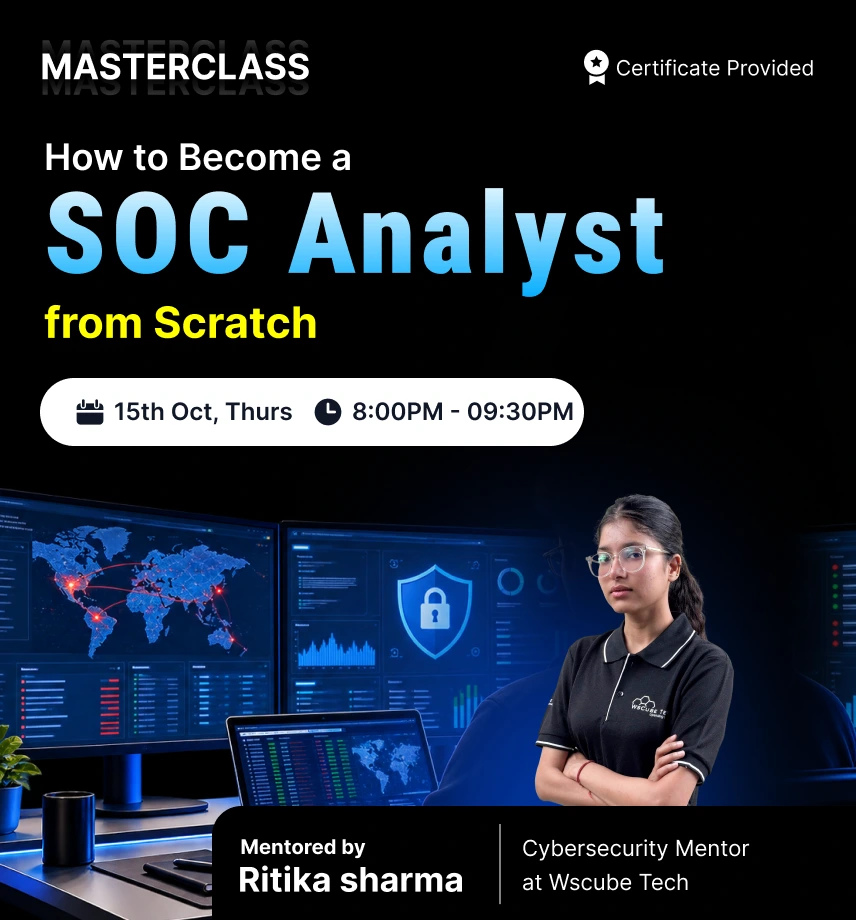
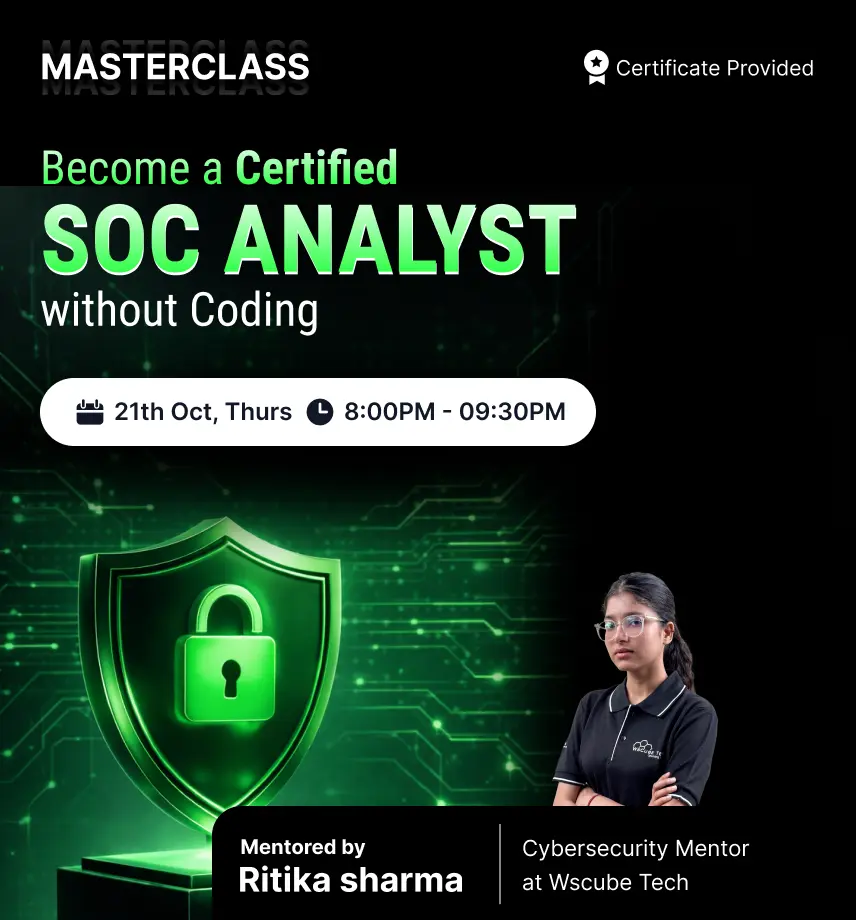
Upcoming Masterclass
Attend our live classes led by experienced and desiccated instructors of Wscube Tech.


Ethical Hacking Course Fees in India
Ethical hacking course fees in India vary based on the institute, course level, and certification type. Below are the average fees of ethical hacking course options available in India:
| Course Type | Duration | Approximate Fees in India |
| Beginner Certificate Course | 1–3 months | ₹5,000 – ₹25,000 |
| Diploma / Intermediate Course | 3–6 months | ₹30,000 – ₹80,000 |
| Advanced Certification (CEH) | 3–6 months | ₹43,000 – ₹1,50,000 |
| Premium Job-Oriented Programs | 6–12 months | ₹80,000 – ₹2,50,000 |
| Budget Online Courses | Self-paced | ₹999 – ₹15,000 |
If you are looking for a practical online program, WsCube Tech offers its Ethical Hacking course at ₹19,999, including live training, hands-on projects, certification, and EMI options, making it a budget-friendly choice for beginners and working professionals.
Ethical Hacking Course Fees: Abroad (Global Comparison)
Ethical hacking course fees abroad vary by country, certification type, and platform. Below are the average global course fee comparisons:
USA Course Fees
In the USA, ethical hacking course fees generally range from $500 to $3,000 for short certification programs. Advanced certifications such as CEH, bootcamps, and university-led cybersecurity courses may cost between $2,000 and $8,000, depending on lab access, certification vouchers, and instructor-led training.
UK Course Fees
In the UK, ethical hacking courses typically cost around £400 to £2,500 for beginner and certification-level programs. Premium bootcamps and university-affiliated cybersecurity training can range from £2,000 to £6,000, depending on duration, certification inclusion, and placement support.
Canada & Australia Fees
In Canada and Australia, ethical hacking course fees usually range between CAD 700–CAD 3,500 and AUD 800–AUD 4,000. Advanced professional certification and diploma-level cybersecurity programs may cost higher, especially when live labs and certification exams are included.
Online Global Platforms Pricing
Global online learning platforms like Udemy, Coursera, and EC-Council offer ethical hacking courses from $10 to $2,000+. Self-paced beginner courses are usually affordable, while professional certification bundles with exams and labs are significantly more expensive.
Also Read: Ethical Hacking Course Syllabus (Fees, Duration, Eligibility)
Factors Affecting Ethical Hacking Course Fees
Several factors influence the fees for ethical hacking course programs. Below are the key points that directly affect the overall course cost:
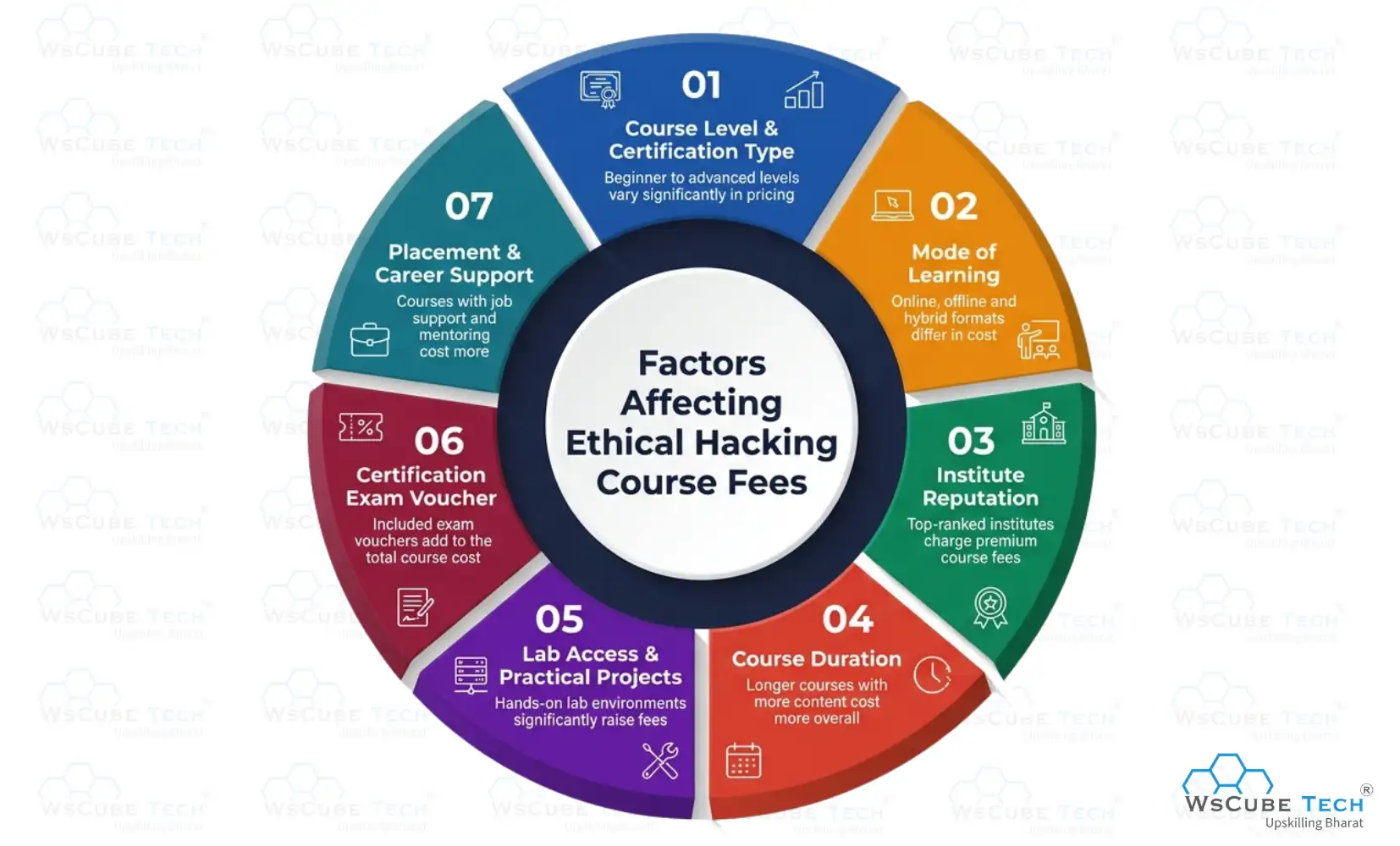
- Course Level & Certification Type: Beginner certificate courses usually cost less, while advanced certifications like CEH, diploma programs, and job-oriented cybersecurity courses are more expensive because they include deeper concepts, labs, and exam preparation.
- Mode of Learning: Online self-paced courses are generally more affordable than offline classroom or live mentor-led programs, as classroom training includes infrastructure costs, lab setups, and direct instructor support.
- Institute Reputation: Well-known institutes and established training platforms often charge higher fees due to experienced trainers, brand value, placement support, and industry-recognized certifications.
- Course Duration: Longer courses with 3–12 months duration usually cost more than short-term courses because they cover advanced modules, practical assignments, and extended mentor support.
- Lab Access & Practical Projects: Courses that include hands-on labs, live attack simulations, real-world projects, and tool access often have higher fees because practical training significantly increases course value.
- Certification Exam Voucher: Some programs include certification exam vouchers, study material, and retest options, which increase the total course fee compared to training-only courses.
- Placement & Career Support: Courses offering resume building, interview preparation, placement assistance, and internship support typically charge higher fees due to the added career benefits they provide.
Also Read: Cyber Security vs Data Science: Which is Better for Career?
How to Choose the Right Course Based on Budget & Time?
Choosing the right ethical hacking course depends on your budget, available time, and career goals. Below are the key points to help you decide wisely:
- Set Your Budget First: Start by deciding how much you are willing to invest. Budget-friendly online courses are ideal for beginners, while advanced certifications may require a higher investment.
- Check Course Duration: If you have limited time, choose short-term online or weekend courses. For in-depth learning, diploma or advanced certification programs are better.
- Match Your Career Goal: Beginners can start with certificate courses, while professionals aiming for cybersecurity roles should prefer advanced certification or job-oriented programs.
- Compare Online vs Offline: Online courses are usually affordable and flexible, while offline programs offer classroom learning, live labs, and direct mentor interaction.
- Look for Practical Training: Prefer courses that include hands-on labs, projects, and real attack simulations to build practical skills.
- Check Certification Value: Choose courses that provide recognized certifications and placement support if your goal is career growth.
If you want to read more, check out How to Become an Ethical Hacker? Full Roadmap, as it helps you understand the complete learning path, required skills, and career steps in a simple and structured way.
Suggested Reading: Ethical Hacking Course Eligibility: Requirements, Skills & Career
Tips to Reduce Ethical Hacking Course Costs
Reducing course expenses is possible with smart learning choices and proper planning. Below are the best ways to lower your overall course cost:
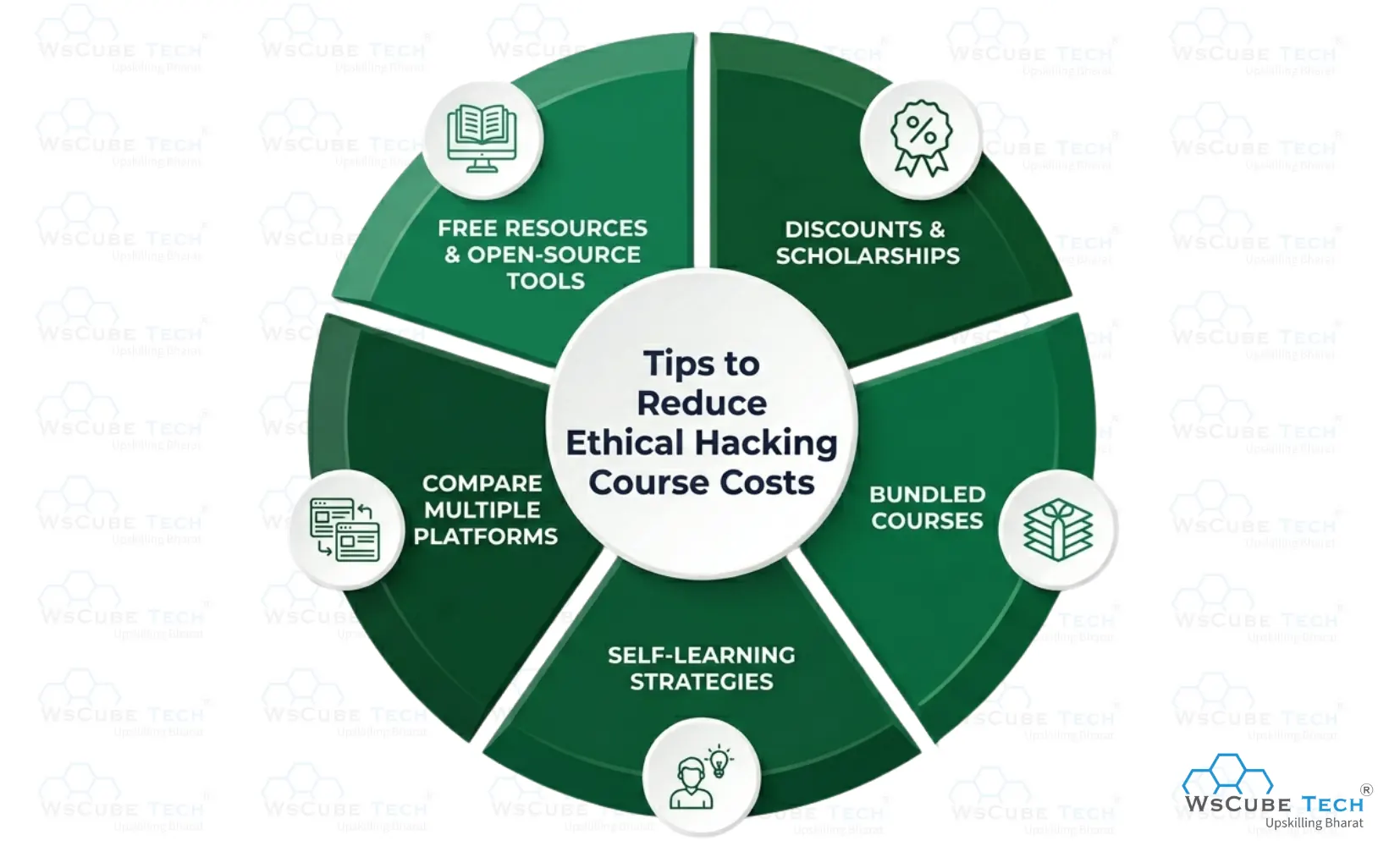
1. Free Resources & Open-Source Tools
Start with free learning resources such as YouTube tutorials, blogs, documentation, and cybersecurity communities. You can also use open-source tools like Wireshark, Nmap, Metasploit Framework, and OWASP resources to practice ethical hacking concepts without spending extra on premium tools or software subscriptions.
2. Discounts & Scholarships
Many institutes and online platforms offer early-bird discounts, festive offers, student discounts, and scholarships. Always check for promotional offers before enrolling, as these can significantly reduce the overall course fee and make advanced certifications more affordable for students and beginners.
3. Bundled Courses
Choose bundled programs that include multiple modules like networking, ethical hacking, Python basics, and certification preparation in one package. These bundles often cost less than buying separate courses individually and provide better overall learning value.
4. Self-Learning Strategies
Self-paced learning through online videos, blogs, practice labs, and community forums can help reduce costs significantly. This approach is ideal for learners who are disciplined and comfortable studying independently at their own speed.
5. Compare Multiple Platforms
Before enrolling, compare fees, duration, features, and included certifications across different institutes and platforms. This helps you find the best value course within your budget and avoid overspending.
FAQs About Ethical Hacking Course Fee & Duration
The fees for ethical hacking courses in India typically range from ₹5,000 to ₹2,50,000 depending on the course level, institute, and certification, so ethical hacking course fees and duration in India can differ based on the learning option chosen.
Online ethical hacking courses in India usually cost between ₹999 and ₹60,000, depending on the course type, duration, and features such as live classes, certification, and lab access for practical learning.
The CEH course fees generally range from ₹18,000 to ₹1,50,000 in India, depending on the training provider, lab access, and whether the official exam voucher is included in the package.
The ethical hacking course duration typically ranges from 1 to 12 months, depending on the course level, learning mode, and whether you choose a beginner, intermediate, or advanced certification program.
Yes, offline ethical hacking courses are usually more expensive than online programs due to classroom training, infrastructure costs, and in-person guidance, while online courses offer flexible and budget-friendly options.
Beginner-level ethical hacking courses usually have a duration of 1 to 3 months, focusing on basic networking, cybersecurity concepts, and simple tools required to build foundational knowledge.
Advanced ethical hacking certifications can cost between ₹20,000 and ₹4,00,000 depending on course depth, global certification value, lab access, and placement support offered by premium institutes.
Some training providers include the CEH exam voucher in their packages, while others charge separately, so it is important to confirm what is included before enrolling in the course.
Ethical hacking courses abroad can cost between $500 and $8,000 depending on country, certification level, and training provider, with higher fees for university programs and bootcamps.
Yes, you can learn the basics of ethical hacking within 3 months through intensive courses, but mastering advanced skills requires continuous practice, real-world projects, and deeper understanding over time.
Many ethical hacking courses include lab access and practical projects in their fees, but some basic courses may charge extra for advanced labs, certifications, and real-world simulation exercises.
The most affordable ethical hacking courses for beginners are usually self-paced online programs starting from ₹999, offering basic concepts, recorded lectures, and limited practical exposure at low cost.
To choose the right course, compare ethical hacking course duration and fees, check course content, certification value, lab access, and select a program that matches your learning goals and budget.
Conclusion
Choosing the right ethical hacking course depends on your budget, time availability, and learning goals. With various online and offline options available, beginners and professionals can effectively select a course that suits their needs and career plans.
By clearly understanding the fees and duration of ethical hacking courses, you can avoid confusion, save money, and make a smart decision. This helps you start your cybersecurity journey with confidence and build strong, in-demand skills for future career growth.
Free Courses For You



Leave a comment
Your email address will not be published. Required fields are marked *Comments (0)
No comments yet.